 Microsoft 365
 BiblioProxy
 SIPER
 EPAS
 U-GOV
 IRIS
 Cloud IBB
 IBB webmail
 Missioni
 GesFor
 Scrivania Digitale
 CNR Apps
40a Ed. Futuro Remoto
"L'immaginazione di futuri"
11 Novembre 2026

Futuro Remoto
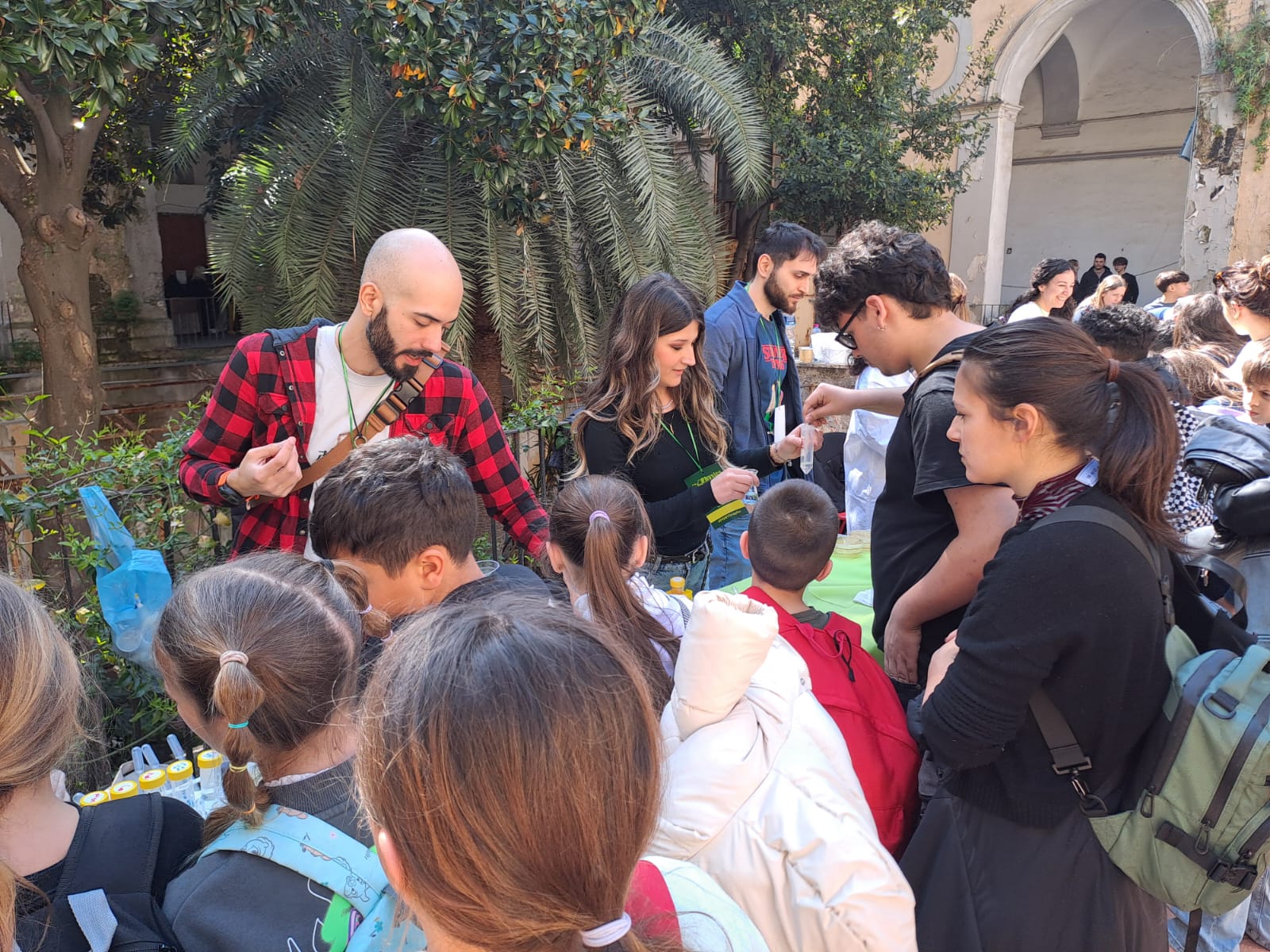
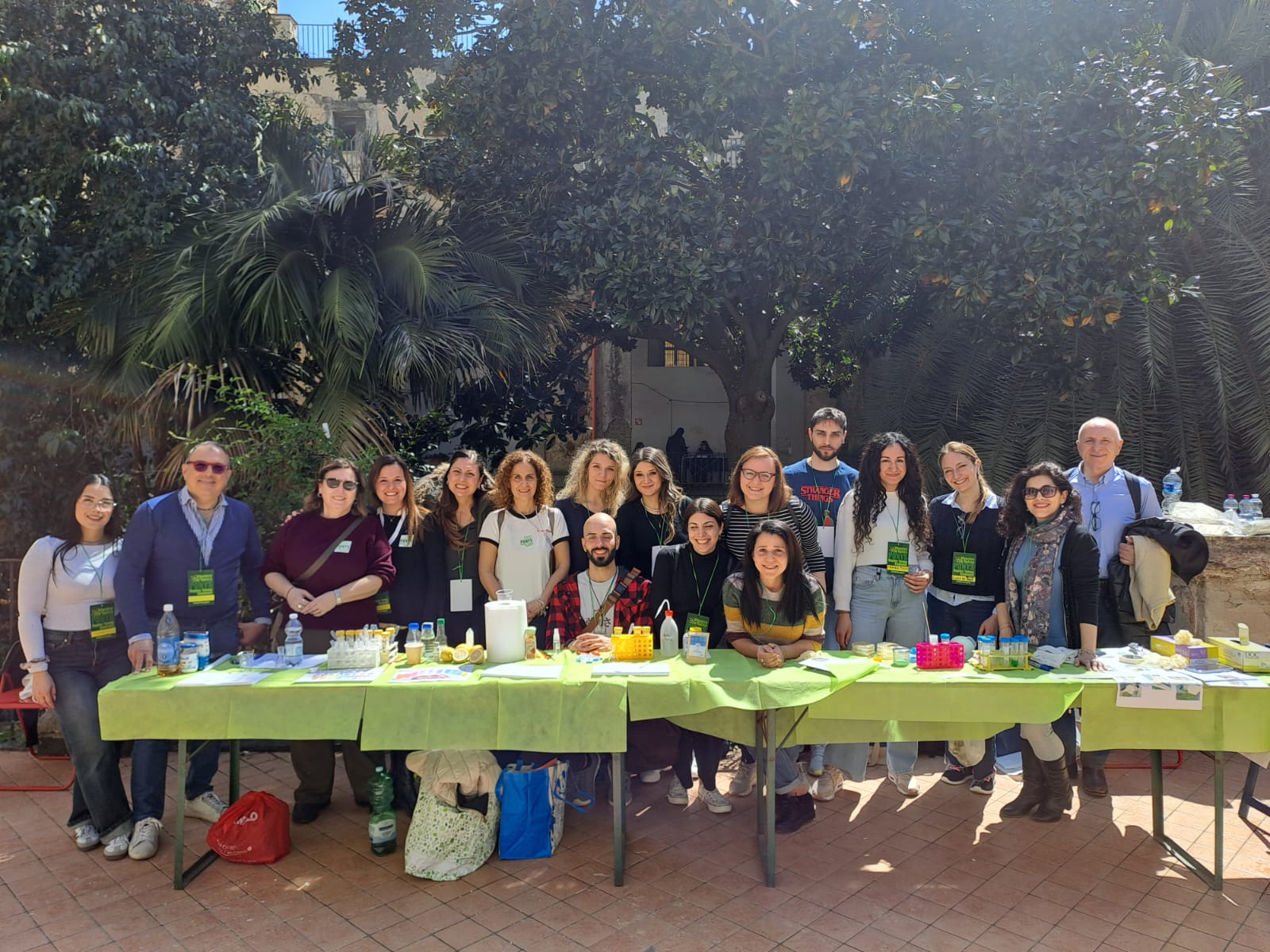
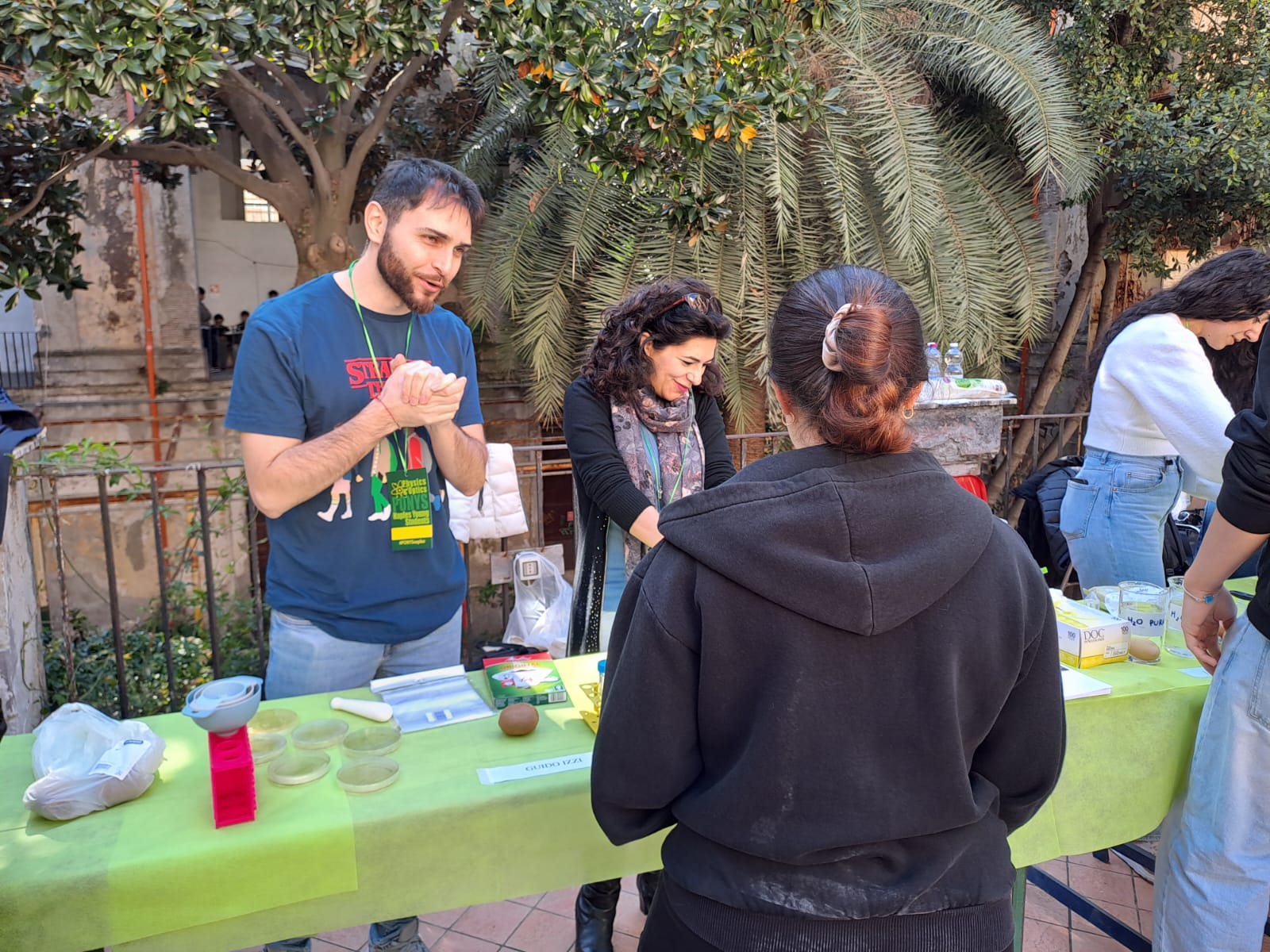
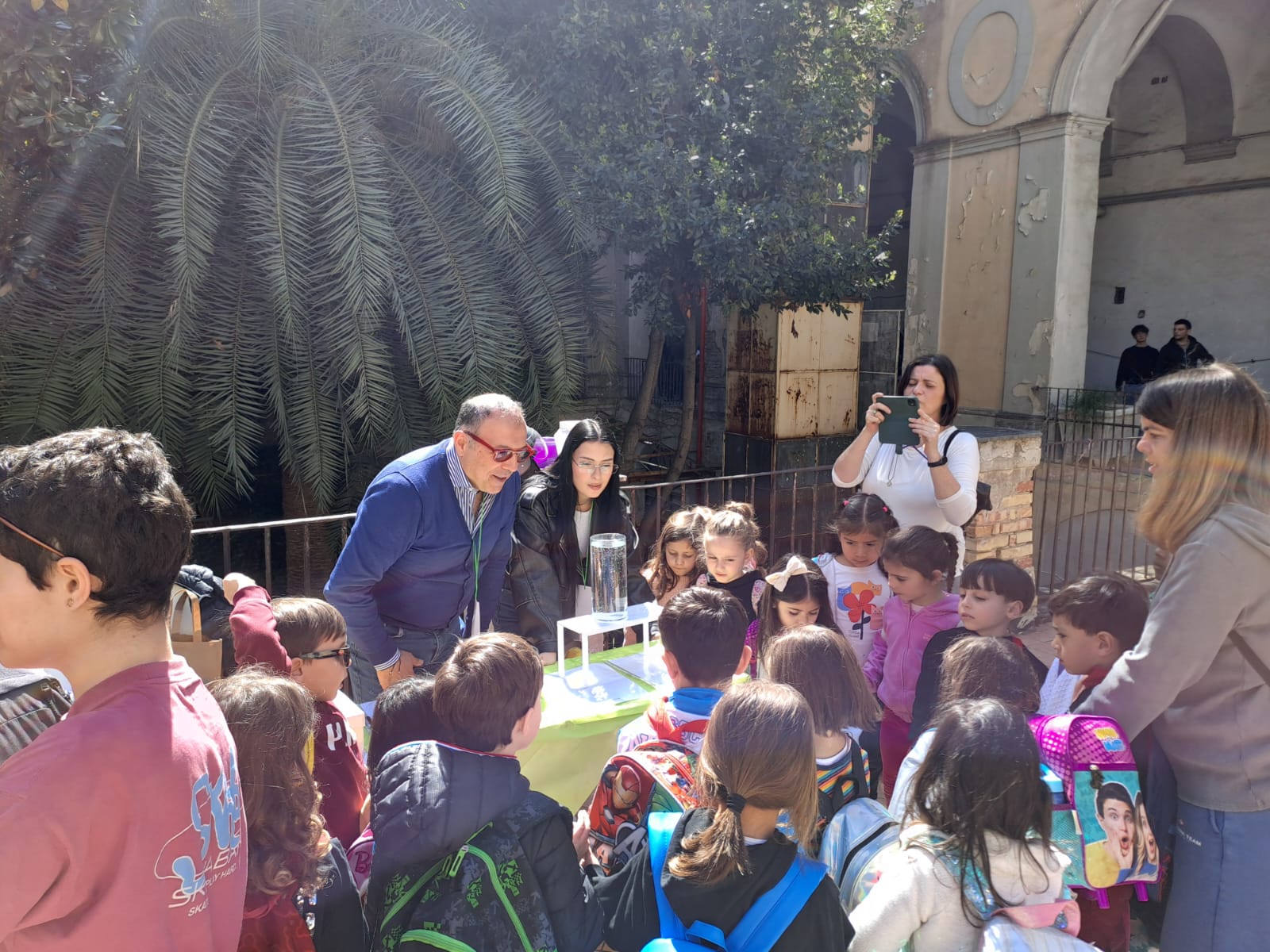
Futuro Remoto is an annual Festival of Art, Science, Technology, and Culture held in Naples and promoted by Città della Scienza. IBB takes part through interactive laboratories and hands-on activities designed for both schools and the general public, offering meaningful opportunities to discover biomedical research through experiments, guided experiences, and direct interaction with researchers.40a Ed. Futuro Remoto "L'immaginazione di futuri"
11 Novembre 202639a Ed. Futuro Remoto "Un Viaggio tra Scienza e Fantascienza"
Progetto IBB “One health”3 Febbraio 2026
38a Ed. Futuro Remoto "CO-SCIENZE"
Progetto IBB “CreO-SCIENZE: dalla chimica alla biomedicina”Dal 21 al 20 Ottobre
37a Ed. Futuro Remoto "In-tel-li-gèn-ze"
Progetto IBB “Intelligenze CREOattive: dalla chimica alla biomedicina”Dal 21 al 24 Novembre 2023
36a Ed. Futuro Remoto "E-qui-lì-bri"
Progetto IBB “riCREO Equilibri: dalla chimica alla biomedicina”Dal 22 al 27 Novembre 2022
35a Ed. Futuro Remoto "tran si zió ni"
Progetto IBB “Transi.TI.AMO Scienza: Il backstage della ricerca”Dal 23 Novembre al 3 Dicembre 2021
34a Ed. Futuro Remoto "Pianeta, tra cambiamenti epocali e sfide globali"
Progetto IBB “La Salute chiama, il PIANETA RICERCA risponde: le sfide dei ricercatori”Dal 20 al 29 Novembre 2020
33a Ed. Futuro Remoto "Connessioni"
Progetto IBB “Storie di Rivoluzioni Scientifiche e…. di Vita da Ricercatori”33a edizione Futuro Remoto “Essere 4.0” Storie di Rivoluzioni, Scienza e tecnologia, da Leonardo da Vinci ad Oggi.
21-24 Novembre 2019
32a Ed. Futuro Remoto "Ri-Generazioni"
Progetto IBB “Ri-Generazioni d’immagine: una ricerca multidisciplinare8-11 Novembre 2018
31a Ed. Futuro Remoto "Connessioni"
Progetto IBB “Dal laboratorio di ricerca al paziente”30a Ed. Futuro Remoto "Costruire"
Progetto IBB "Lavori in corso: ricercatori all’opera" (7/10 ottobre 2016)29a Ed. Futuro Remoto "Le Frontiere"
Progetto IBB: “Vivere sano: sguardo al futuro, recuperi dal passato” (15/18 ottobre 2015)
Tipologia: Seminari divulgativi, science cafè anche junior, visite ai laboratori e nell’area a nostra disposizione poster, video, e l’allestimento di un piccolo laboratorio per dimostrazioni pratiche
Partners: IEOS, IGB, IBBR , Istituto Orientale Napoli, Liceo G.B. Vico, Labriola, SMS Diano

Welcome to IBB
IBB is a multidisciplinary research institute dedicated to the study of the molecular and cellular mechanisms underlying physiological and pathological processes through experimental, computational, and technological approaches. From the development and characterization of biomolecules to biomedical imaging and digital health solutions, IBB promotes scientific knowledge and develops innovative tools for diagnosis and therapy.

ABOUT US
Learn more about our Institute

RESEARCH
Advancing knowledge through discovery

CORE FACILITIES
State-of-the-art resources and services

OUTREACH
Public engagement and science communication

TECHNOLOGY TRANSFER
Bringing research into innovation

TRAINING & CAREERS
Job and training opportunities
News
Mission
The Institute of Biostructures and Bioimaging (IBB) combines basic research, multidisciplinary expertise, and technological innovation to investigate the molecular and cellular mechanisms underlying physiological and pathological processes through experimental, computational, and biomedical imaging approaches.Its research activities encompass the design, development, and structural and functional characterization of biomolecules, the investigation of their interactions and the mechanisms regulating cellular processes, as well as the study of diseases through experimental and preclinical models. These areas of expertise are complemented by the development of advanced biomedical imaging methodologies and quantitative image analysis techniques, computational modelling approaches, advanced data analysis, and e-health solutions for telemedicine.
By integrating molecular insight, the study of biological systems, and technological innovation, IBB contributes to the development of new diagnostic and therapeutic strategies and supports the transition towards more precise and personalized medicine.
Our sites

Headquarters
Via Tommaso De Amicis 95, 80145 – Naples, ItalyE-Mail: segreteria.direzione@ibb.cnr.it
Certified E-Mail: protocollo.ibb@pec.cnr.it
Phone +39 081 2203401

Naples Site
CNR Research Area Naples 1Via Pietro Castellino 111, 80131 – Naples, Italy
Phone +39 081 6132458

Turin Site
Interdepartmental Research Center for Molecular Biotechnology, University of TurinVia Nizza 52, 10126 - Turin, Italy
Piazza Nizza 44 bis, 10126 – Turin, Italy
Phone +39 011 6707431
premicenter@ibb.cnr.it
Via Pietro Castellino, 111
80131 Naples, Italy
How to access the Facility
Access through Euro - BioImaging
The PreMI Center is part of the Italian node of Euro-BioImaging, the European research infrastructure for biological and biomedical imaging.
 VISIT THE PORTAL ↗
The PreMI Center is the preclinical imaging infrastructure of IBB–CNR in Naples and is part of the Multi-Modal Molecular imaging (MMMI) Italian node of Euro-BioImaging. The infrastructure provides state-of-the-art instruments and expertise in structural, functional, and molecular imaging, supporting biomedical and translational research.
Services
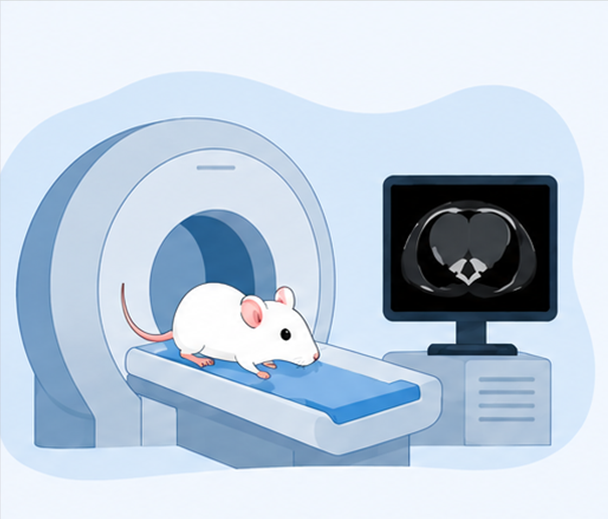
Development and validation of animal models of human diseases
MRI • CT • HFUS
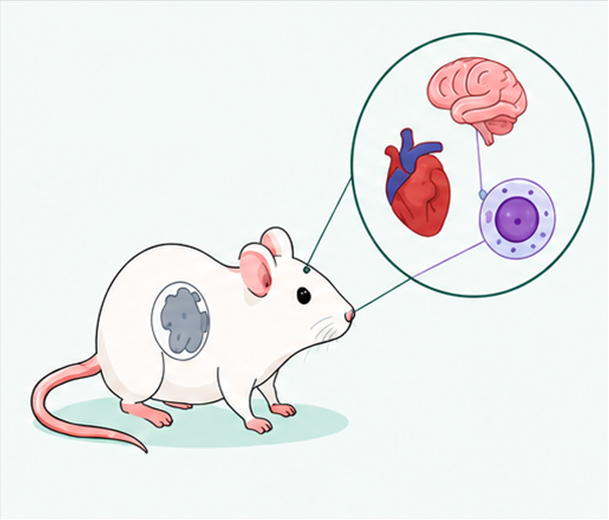
Morphological and functional characterization of animal models
MRI • CT • HFUS • PET
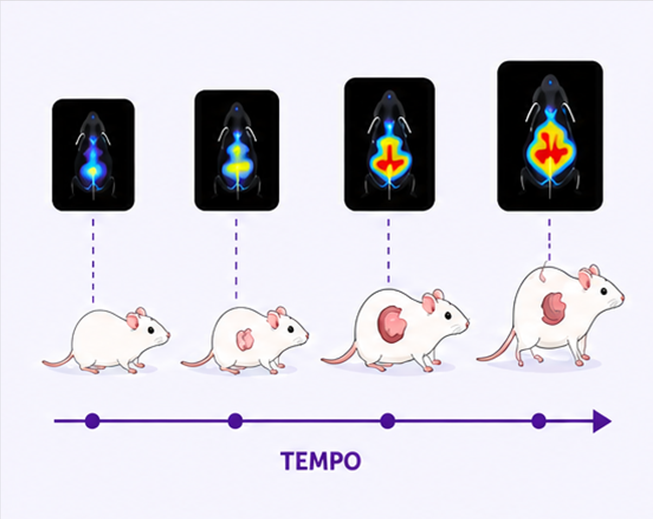
Longitudinal studies for monitoring disease progression
MRI • OI • HFUS • PET
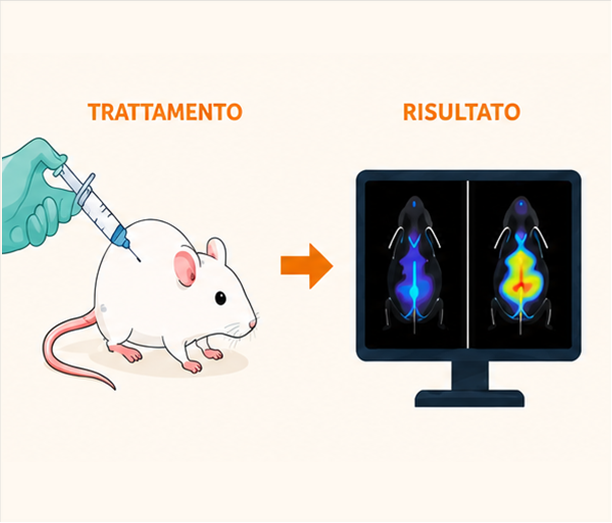
Evaluation of the efficacy of therapeutic strategies
PET • MRI • OI • HFUS
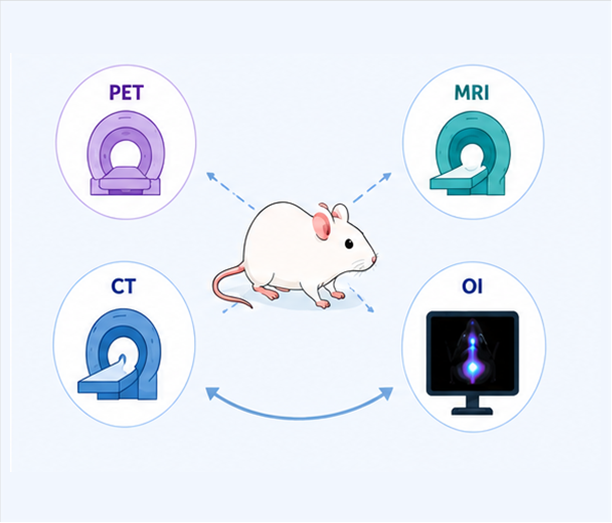
Development of multimodal imaging protocols
PET • MRI • CT • OI • HFUS
Discover our instruments

Access to PreMi Center services
Contact our Teamdirettore@ibb.cnr.it
Via Pietro Castellino, 111
80131 Naples, Italy
How to access the Facility
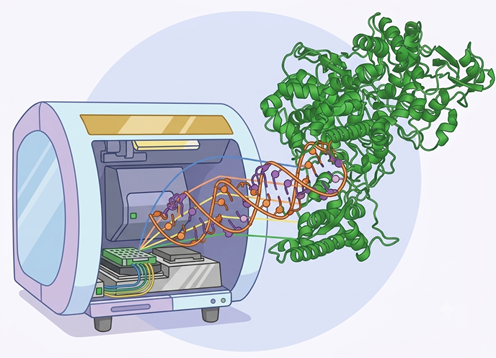
The SIM Lab infrastructure makes the IBB a leading center for the molecular study of biological processes involved in the onset and progression of human diseases. The services offered include the production of proteins and peptides of biological and biotechnological interest, their biophysical, biochemical, and structural characterization, as well as the analysis of interactions with specific molecular targets. Thanks to multidisciplinary expertise and advanced instrumentation, the infrastructure supports basic and translational research, applied in the life sciences and biomedicine sectors.
Services
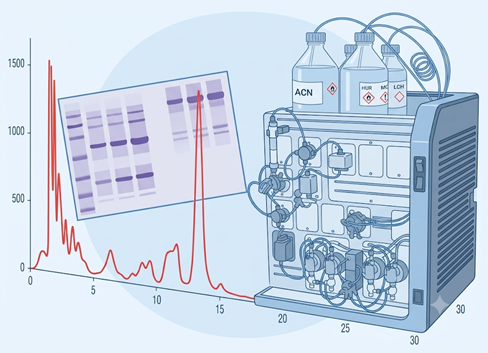
Production and characterization of recombinant proteins
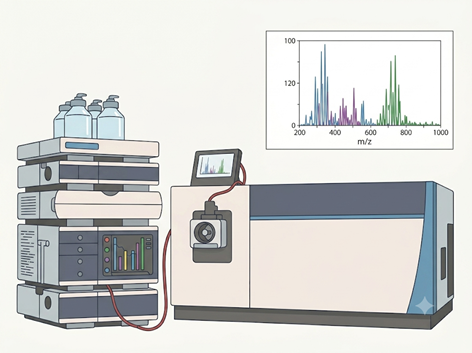
Chemical synthesis of peptides and small molecules
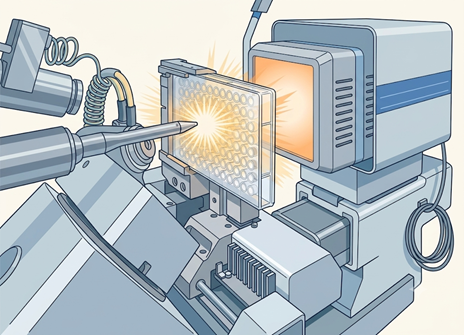
Crystallization of macromolecules and collection of diffraction data
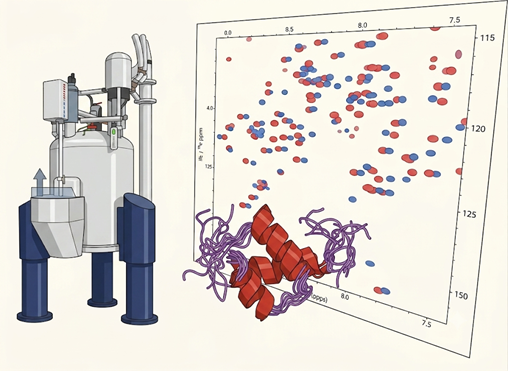
Structural characterization of peptides by NMR
Biophysical investigation of interactions between biomolecules
Discover our instruments
Access to SIM Lab services
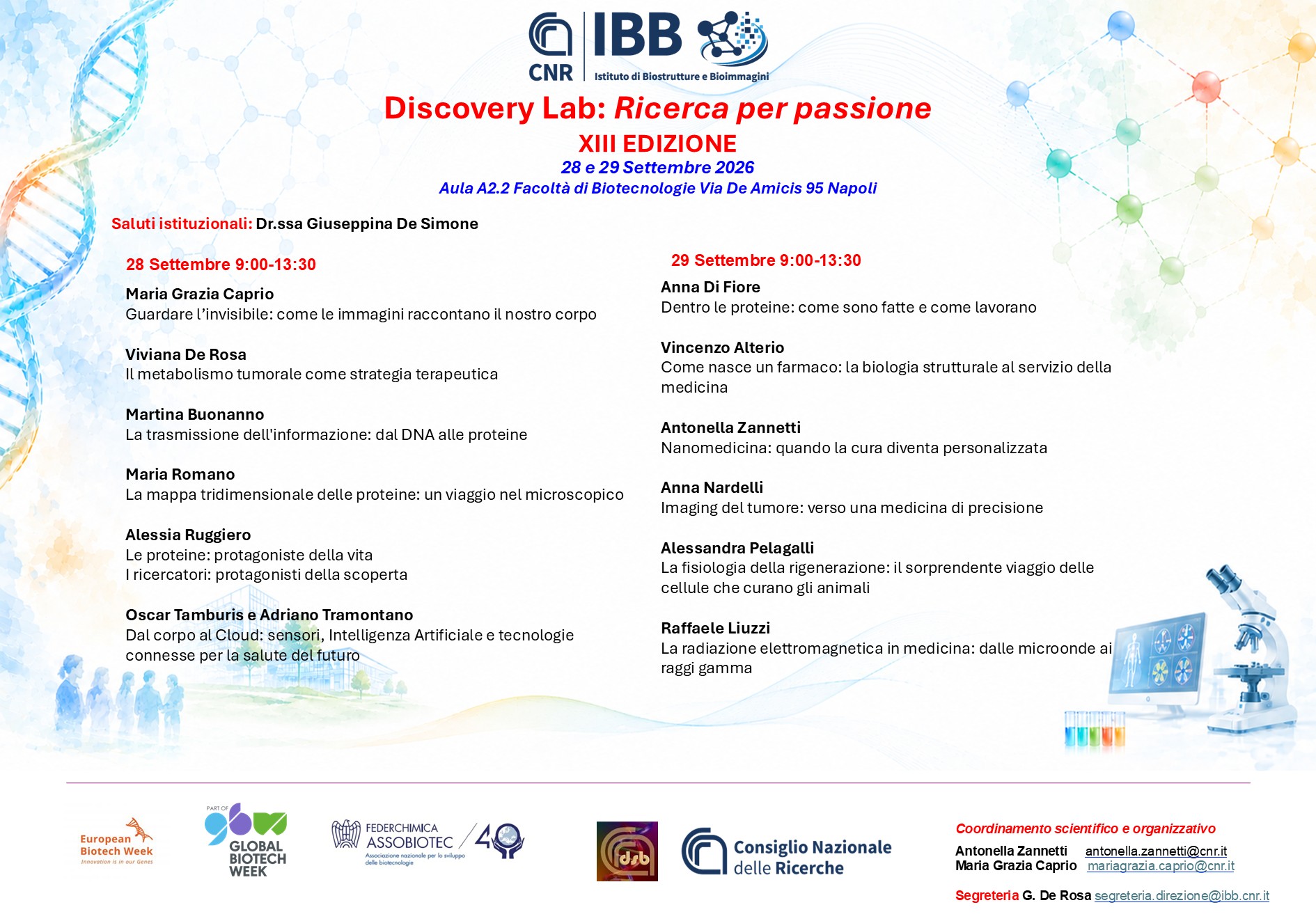
Contact SIMDiscovery-Lab 2.0 XIII edizione
28 e 29 Settembre 2026
Radiation protection service for workers and the population

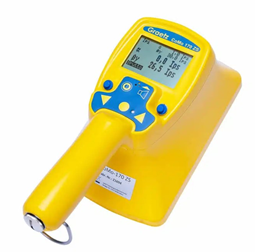
Plastic scintillator contamination meter (SEA-MED, mod. Como 170)
High sensitivity alpha, beta, and gamma
Benchtop Contamination Meter (Berthold LB 124)
Simultaneous and separate measurement of alpha and beta-gamma radiation, based on innovative scintillation technology
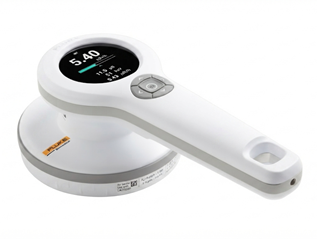
High sensitivity detector (Fluke Biomedical RaySafe 452)
The measurement technology is based on the combination of a solid-state silicon sensor and a Geiger-Muller pancake
Magnetic Resonance Safety Service
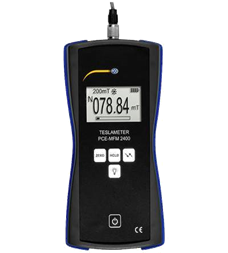
Gaussmeter (PCE-MFM 2400+)
Equipped with an axial sensor for measuring static electromagnetic fields
Patient Radiation Protection/Medical Physics

NOMEX Multimeter (PTW Freiburg GmbH)
Miniaturized, non-invasive measuring system for absolute dosimetry and quality control in diagnostic radiology (radiography, fluoroscopy, dental, CT and mammography applications)
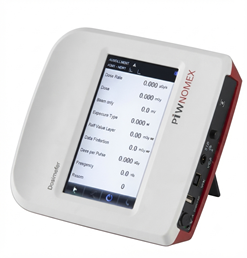
NOMEX Dosimeter (PTW Freiburg GmbH)
CE-marked Class IIb diagnostic dosimetry system for acceptance tests and quality control measurements on RAD, FLU, DENT, CT and MAM X-Ray radiological units
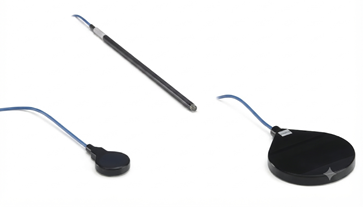
Ionization Chamber for CT (PTW Freiburg GmbH)
6 cc Ionization Chamber for Mammography (PTW Freiburg GmbH)
75 cc SFD Ionization Chamber (PTW Freiburg GmbH)
Ionization chambers designed for precise radiation dose measurement in radiology and for quality control of X-ray equipment.

Quality Control Phantoms
Pro-CT MK II Phantom (Pro-Project)
Pro-Fluo 150 Phantom (Pro-Project)
Phantom dedicated to acceptance and consistency testing of computed tomography systems and radiography and fluoroscopy equipment
The Radiation Protection and Medical Physics Service is an internal technical and scientific unit of the IBB-CNR Institute. It is organized into three specialized divisions, staffed by qualified personnel holding the professional competencies and legal certifications required to manage the operational activities related to Radiation Protection and Medical Physics, both within the Institute and through external collaborations.
The Head of the Service is Dr. Giorgio Punzo.
Services

Radiation protection of workers and the population

Patient radiation protection

Safety in Magnetic Resonance Imaging
Discover our instruments

Consulting activities
See more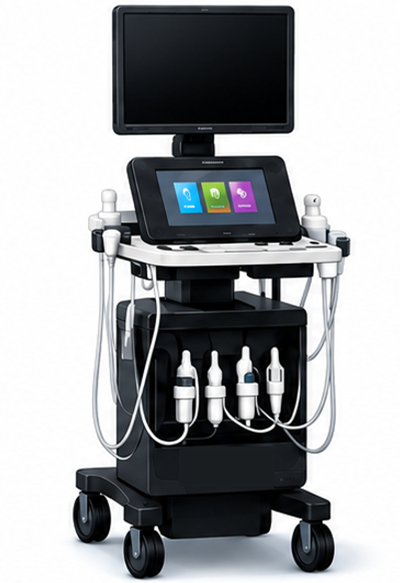
Fujifilm VEVO F2 HFUS
High-frequency ultrasound for anatomical, functional, and cardiovascular imaging
Technical sheet
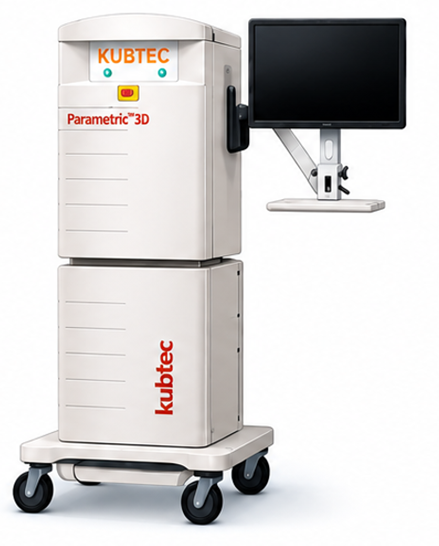
KUBTEC’s Parameter 3D X-ray System
High-resolution 3D radiography for skeletal imaging and morphological analysis of mineralized tissues
Technical sheet
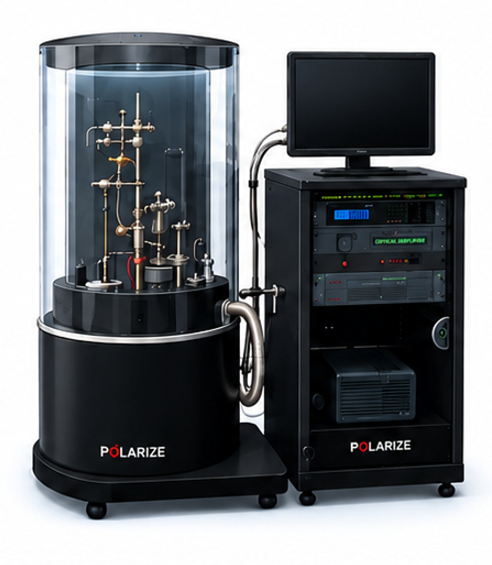
Polarize SpignAligner dDNP Hyperpolarizer
Nuclear spin hyperpolarization for advanced metabolic imaging using MRI
Technical sheet
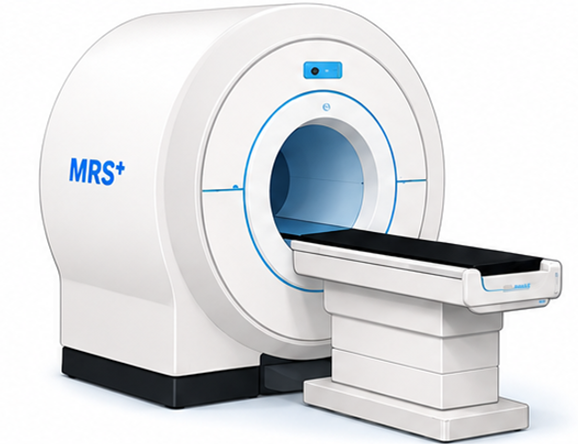
MR Solutions MRS*PET/MR 7.0T PET/MRI
Multimodal PET/MRI imaging for structural, functional, and metabolic studies
Technical sheet

MILabs Vector, Series 6 OI/CT
Bioluminescence, fluorescence, and computed tomography for biodistribution studies and morphological analysis
Technical sheet
Production and characterization of recombinant proteins
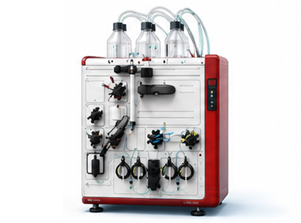
ÄKTA pure™ 25 M (Cytiva)
Versatile, modular chromatography system for the purification of macromolecules
Technical data sheet
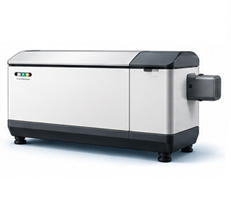
Jasco J-1500 Circular Dichroism Spectrometer (Malvern Panalytical)
Instrument for the study of the secondary structure and stability of proteins and nucleic acids
Technical data sheet

Dynamic Light Scattering Zetasizer Pro (Malvern Panalytical)
Instrument for characterizing particle size, colloidal stability, and protein aggregation using dynamic light scattering (DLS)
Technical data sheet
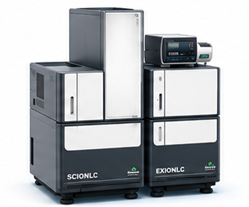
Omnisec (Malvern Panalytical)
Size Exclusion Chromatograph equipped with multiple detectors, used for the characterization of macromolecules
Technical data sheet
Chemical synthesis of peptides and small molecules
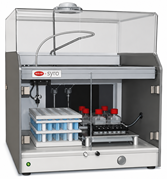
Multisyntech Syro I (Biotage)
Fully automated multi-channel peptide synthesizer equipped with a pipetting robot
Technical data sheet
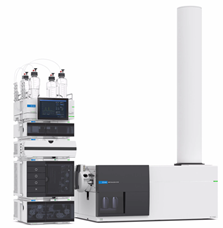
6545XT AdvanceBio LC/Q-TOF (Agilent)
LC/Q-TOF system designed for the analysis of complex biomolecules
Technical data sheet
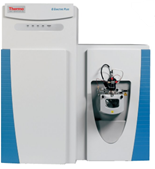
Q Exactive™ Plus Hybrid Quadrupole-Orbitrap™ Mass Spectrometer (Thermo Scientific™)
High-resolution mass spectrometry system for the qualitative and quantitative analysis of complex biomolecules
Technical data sheet
Structural characterization of biomolecules
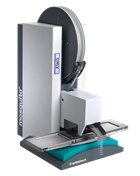
Mosquito® Xtal3 (SPT Labtech)
Automated system for the crystallization of biological macromolecules using nanoliter-volume dispensing
Technical data sheet
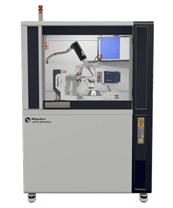
XtaLAB Synergy-R (Rigaku)
Rotating-anode X-ray diffractometer for the characterization of protein and nucleic acid crystals
Technical data sheet
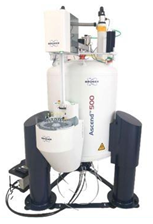
Avance 500 MHz (Bruker)
High-performance 500 MHz NMR spectrometer for the structural characterization of peptides and other biomolecules
Technical data sheet
Biophysical investigation of interactions between biomolecules
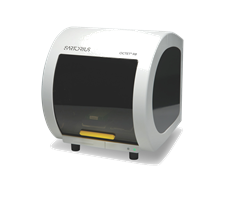
Octet R8 (Sartorius)
Label-free system for real-time analysis of biomolecular interactions, enabling the characterization of binding kinetics and affinity
Technical data sheet
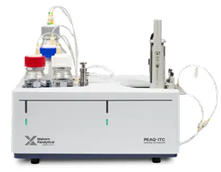
Microcal-PEAQ ITC (Malvern Panalytic)
Instrument for label-free analysis of biomolecular interactions using isothermal titration calorimetry (ITC) to determine binding affinity, stoichiometry, and thermodynamic parameters of binding
Technical data sheet
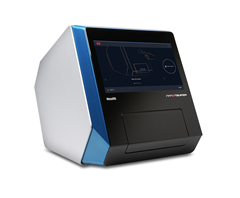
Monolith NT 115 label free Pico Red (Nanotemper)
Instrument for the analysis of biomolecular interactions in solution using microscale thermophoresis (MST) to determine binding affinity over a wide range of concentrations
Technical data sheet
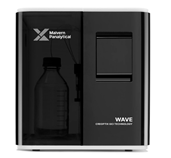
Creoptix Wave system (Malvern Panalytic)
Label-free system for real-time analysis of biomolecular interactions using grating-coupled interferometry (GCI), enabling sensitive measurements of binding kinetics and affinity
Technical data sheet
Core Facilities and services
The IBB operates advanced research infrastructures dedicated to the structural and functional characterization of biomolecules (SIM Lab) and preclinical imaging (PreMI Center). These infrastructures provide the national and international scientific community with high-tech instruments, specialized expertise, and services to support research and innovation activities. The IBB also has a Radiation Protection Service that ensures the safe and regulatory-compliant management of research activities involving the use of radioactive sources and radionuclides, ensuring compliance with safety standards for personnel, users, and the environment.

SIM Lab
Laboratory for the study and preparation of probes for molecular imaging
PreMI Center
Preclinical Molecular Imaging Center
Servizio radioprotezione
Management and safety of radioactive sourcesResearch
IBB research is divided into seven macro-areas dedicated to understanding biological systems and developing innovative health solutions, from basic research to translational applications.

Computational Modelling of Biomolecules

Biomolecule Synthesis

Molecular Biology and Biophysics
Structural Biology

Cellular Biology

Preclinical Research
E-Health and Open Data
Bioimaging and Medical Physics
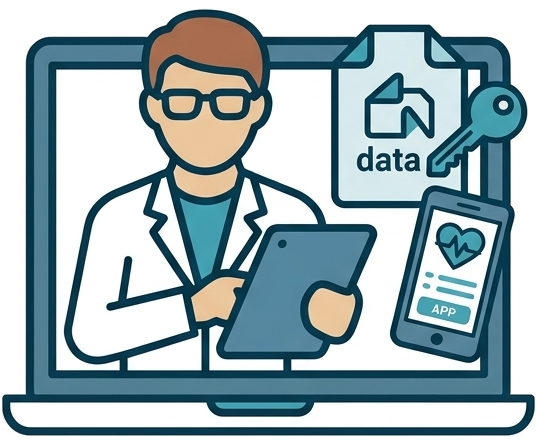
Research in the E-health and open data focuses on the development of digital solutions for remote patient monitoring and for the management, integration, and sharing of health data, within the broader scientific framework of One Digital Health, which promotes a unified approach to the digital interpretation of relationships across the human, animal, and environmental domains.
Research activities focus on the advanced modeling of clinical processes, the design of interoperable digital architectures based on Cloud, Edge Computing, and Internet of Things technologies, and the development of telemedicine platforms integrated with mobile applications, wearable devices, and smart devices. The aim is to integrate information from heterogeneous devices, applications, and healthcare systems through the continuous collection of physiological, behavioral, and clinical data.
Data Stewardship activities, conducted according to the principles of Open Science and FAIR (Findability, Accessibility, Interoperability, and Reusability), include the management, annotation, standardization, and sharing of biomedical datasets, with particular attention to clinical and preclinical imaging data and to the use of certified standards and repositories.
The main objective is to foster the development of a digital ecosystem in which patients, devices, and data can be integrated in an interoperable, reliable, and reusable manner, supporting biomedical research and new models of personalized care.
Personnel involved:
Technology transfer
IBB also promotes research results through patents and spin-offs, fostering the transfer of knowledge and technologies towards concrete applications. These activities enable the development of collaborations with companies and external partners, supporting the development of innovative solutions in the biomedical, biotechnological, and digital fields.
Patents
List of patents and technologies developed by the Institute's staff.
2024 |
Highly stable antigen-presenting fusion proteins and uses thereof as vaccine components for the therapy and/or prophylaxis of pathogenic bacteria►PCT/EP2024/081833 - WO2025099310 A1Antigeni cross-protettivi contro batteri Gram-positivi, con potenziali applicazioni nello sviluppo di strategie preventive e vaccinali. Inventors: Rita Berisio, Flavia Squeglia, Johannes Huebner. |
2024 |
Use of exahusted coffee grounds for the production of the phytocompounds ursolic acid and chlorogenic acid from apple vegetable calluses►IT202400004489 A1Metodo per l’impiego di fondi di caffè esausti in colture cellulari vegetali, finalizzato alla produzione di composti bioattivi di interesse biotecnologico. Inventors: Antonio Di Loria, Vincenzo D’Amelia, Carmen Laezza, Maria Manuela Rigano, Simona Maria Monti. |
2023 |
Highly stable antigen-presenting fusion proteins and uses thereof as vaccine components for the therapy and/or prophylaxis of pathogenic bacteria►PCT/EP2024/081833 - WO2025099310 A1Nuovo antigene contro batteri patogeni Gram-positivi, con possibili applicazioni nello sviluppo di approcci immunologici. Inventors: Rita Berisio, Flavia Squeglia, Johannes Hübner, Felipe Romero-Saavedra. |
2023 |
Apple peel calluses and their cultivation for the production of phytocompounds phlorizin and ursolic acid►IT202300011208 A1Tecnologia basata su colture cellulari vegetali ottenute da buccia di mela per la produzione controllata di fitocomposti di interesse nutraceutico e biotecnologico. Inventors: Maria Manuela Rigano, Antonio Di Loria, Vincenzo D’Amelia, Simona Maria Monti, Carmen Laezza, Ettore Novellino, Giancarlo Tenore. |
2021 |
Method of gene editing to increase the anthocyanin content in potato cells►IT202100000785 A1Metodo di gene editing applicato a cellule di patata per incrementare il contenuto di antocianine, composti di interesse per le loro proprietà antiossidanti e nutrizionali. Inventors: Vincenzo D’Amelia, Domenico Carputo, Annalisa Staiti, Riccardo Aversano, Maria Manuela Rigano, Antonio di Loria, Simona Maria Monti. |
2021 |
Binding peptides and uses thereof►US2022015501 WL’uso del fattore di induzione dell’apoptosi (AIF) e di peptidi leganti la peptidil-prolil cis-trans isomerasi (PPIA) per prevenire la morte delle cellule miocardiche e/o la morte cardiaca improvvisa. Inventors: Stephen P. Chelko, Nazareno Paolocci, Daniel P. Judge, Gizem Keceli, Peter Andersen, Nuria Amat, Nunzianna Doti, Menotti Ruvo, Alessandra Monti. |
2018 |
Novel Peptides and Peptidomimetics as Potent Targeted Agents►102018000010511Peptidi in grado di inibire l’azione dei fibroblasti associati al tumore (CAF), contrastando la migrazione e l’invasività delle cellule tumorali e infiammatorie. Inventors: Maria Patrizia Stoppelli, Paola Franco, Francesca Iommelli, Stefania Belli, Alfonso Carotenuto, Paolo Grieco, Ettore Novellino. |
2014 |
Anti-NODAL antibodies and methods of using same►15849199.3 - US2016130335 A1Anticorpi monoclonali anti-Nodal e il loro impiego in ambito diagnostico e terapeutico per patologie associate all’overespressione della proteina Nodal. Inventors: Menotti Ruvo, Annamaria Sandomenico, Antonio Leonardi, Luca Sanguigno, Mary J. C. Hendrix, Elisabeth A. Seftor, Richard E. B. Seftor, Luigi Strizzi, Zhila Khalkhali-Ellis. |
2011 |
Method of Diagnosis and Prognosis►49161839 - US2014128330 A1Metodo diagnostico e prognostico per il mieloma multiplo basato sulla misurazione dell’espressione di Gadd45β in cellule CD138⁺, utile anche per guidare scelte terapeutiche mirate. Inventors: Guido Franzoso, Antonio Palumbo, Alberto Rocci, Menotti Ruvo, Laura Tornatore. |
Spin-off

Innovative biotechnological solutions for diagnostic and therapeutic applications in the medical, veterinary, and human fields, with a particular focus on the use of plant systems.
Contact: Simona Maria Monti
Website: https://www.immunoveg.com/

Digital platforms for e-health and home care, based on Bluetooth, medical, and wearable devices, for the automatic monitoring of personal well-being parameters.
Contact: Mario Magliulo
Website: https://www.hassisto.com/it/
PhDs
IBB participates in various doctoral programs in collaboration with leading Italian and international universities, contributing to the training of young researchers.
41° Cycle - accademic year 2025 / 2026
Lucrezia De Luise
Dottorato in Scienze del Farmaco
 Thesis title: Targeting Kras isoforms in cancer
 Tutor: Alfonso De Simone, Alessia Ruggiero
 Università degli Studi di Napoli "Federico II"
Ilaria Vitale
Dottorato di Ricerca in Scienze Biomolecolari
Thesis title: Galectins: structural aspects, functional mechanisms and potential therapeutic approaches based on selective inhibitorsTutor: Ilaria Baglivo, Emilia Pedone, Sonia Di GaetanoUniversità degli Studi della Campania "Luigi Vanvitelli"
Prasenjit Bhowmik
Dottorato di Ricerca in Scienze Biomolecolari
Thesis title: Targeting the Functional Link Between CA IX and Ferroptosis for Innovative Cancer TherapeuticsTutor: Giuseppina De Simone, Vincenzo Alterio, Anna Di FioreUniversità degli Studi della Campania "Luigi Vanvitelli"
Viviana Perrotta
Dottorato di interesse nazionale in Innovazione nella diagnosi, prevenzione e terapia delle infezioni a rischio epidemico-pandemico
Thesis title: Structure-based targeting of phosphoetanolamine transferases to contrast colistin resistanceTutor: Rita Berisio, Maria Romano, Angela ChamberyUniversità degli Studi di Siena
Martina Costabile
Dottorato di interesse nazionale in Innovazione nella diagnosi, prevenzione e terapia delle infezioni a rischio epidemico-pandemico
Thesis title: Antibody-Antimicrobial conjugates (AAC) to combat infectious diseasesTutor: Annamaria Sandomenico, Angela ChamberyUniversità degli Studi di Siena | Università degli Studi della Campania "Luigi Vanvitelli"
Rocco Acciaio
Dottorato di Ricerca in Biotecnologie
Thesis title: BIO-CATCH: Biotecnologie innovative per la cattura sostenibile della CO2 tramite microalgheTutor: Simona Maria Monti, Daria Maria MontiUniversità degli Studi di Napoli Federico II
40° Cycle - accademic year 2024 / 2025
Vincenzo Abagnale
Dottorato di Ricerca in Scienze Biomolecolari
Thesis title: Novel biomolecules modulating viral RNA capping machinery in CoV infectionTutor: Gaetano Malgieri, Laura Zaccaro, Annarita Del GattoUniversità degli Studi della Campania "Luigi Vanvitelli"
Talha Mannan
Dottorato di Ricerca in Scienze Biomolecolari
Thesis title: Biotechnological approaches for insect population control: defining the molecular basis of sex determination in agricultural pestsTutor: Luigi Vitagliano, Antonio FiorentinoUniversità degli Studi della Campania "Luigi Vanvitelli"
Simone Pennacchio
Dottorato in Scienze Biomolecolari
Thesis title: Multiple Decoration of Nanoplatform for Targeted Drug DeliveryTutor: Menotti Ruvo, Emanuela Iaccarino, Angela ChamberyUniversità degli Studi della Campania "Luigi Vanvitelli"
Virginia Fusco
Dottorato in Scienze Biomolecolari
Thesis title: The role of N-terminal domain of Human Prion Protein in recognition and aggregation processesTutor: Luigi Russo, Lucia De RosaUniversità degli Studi della Campania "Luigi Vanvitelli"
Ornella Ghilardi
Dottorato di interesse nazionale in Innovazione nella diagnosi, prevenzione e terapia delle infezioni a rischio epidemico-pandemico
Thesis title: Structural and functional studies of bacterial molecular machineries as tools against antimicrobial resistanceTutor: Rita Berisio, Valeria Napolitano, Angela ChamberyUniversità degli Studi di Siena
Rosangela Russo
Dottorato di Ricerca in Scienze Biomolecolari
Thesis title: Purification strategies of therapeutic proteins from human plasmaTutor: Menotti Ruvo, Angela Chambery, Alessandro CarlucciUniversità degli Studi della Campania "Luigi Vanvitelli"
Teresa Marino
Dottorato di Ricerca in Ricerca in Intelligenza Artificiale – Agrifood e Ambiente
Thesis title: Application of biostimulant peptides: AI-driven solutions for a sustainable approachTutor: Simona Maria Monti, Alessandro CilardoUniversità degli Studi di Napoli Federico II
39° Cycle - accademic year 2023 / 2024
Ilaria Di Donato
Dottorato in Scienze Chimiche
Thesis title: Structural and physical-chemical studies of bacterial molecular machineries as tools against antimicrobial resistanceTutor: Pompea Del Vecchio, Rita BerisioUniversità degli Studi di Napoli "Federico II"
Alfonso Ferrara
Dottorato di Ricerca in Biotecnologie
Thesis title: Microalgae circular economy: carbon capture mediated by immobilized carbonic anyhdrases and biomass valorizationTutor: Simona Maria Monti, Daria Maria MontiUniversità degli Studi di Napoli Federico II
Mario Privitera
Dottorato di Ricerca in Scienze Biomolecolari
Thesis title: Alternative strategies against emerging pathogens through structural studiesTutor: Rita Berisio, Flavia SquegliaUniversità degli Studi della Campania "Luigi Vanvitelli"
Martina Filocaso
Dottorato di Ricerca in Scinze Biomolecolari
Thesis title: Targeting galectins: innovative strategies for the identification and validation of selective inhibitorsTutor: Paolo Vincenzo Pedone, Michele Saviano, Luciano PironeUniversità degli Studi della Campania "Luigi Vanvitelli"
Fareeha Amajad
Dottorato di Ricerca in Scienze Biomolecolari
Thesis title: Targeting CHCHD4 import pathway for neuroprotectionTutor: Nunzianna Doti, Menotti Ruvo, Angela ChamberyUniversità degli Studi della Campania "Luigi Vanvitelli"
38° Cycle - accademic year 2022 / 2023
Martina Criscuolo
Dottorato di Ricerca in Biotecnologie
Thesis title: Prosystemin: towards a deeper understanding of its molecular role in plant defense and crop protectionTutor: Simona Maria Monti, Rosa RaoUniversità degli Studi di Napoli Federico II
37° Cycle - accademic year 2021 / 2022
Giovanni Barra
Dottorato di Ricerca in Scienze Biomolecolari
Thesis title: Biocompatible polymers for human healthTutor: Rita Berisio, Alessia RuggieroUniversità degli Studi della Campania "Luigi Vanvitelli"
Rita Russo
Dottorato di Ricerca in Scienze Biomolecolari
Thesis title: The multifaceted Galectin-3 protein: a step forward to the comprehension of its roles by the identification and characterization of novel inhibitorsTutor: Paolo Vincenzo Pedone, Emilia PedoneUniversità degli Studi della Campania "Luigi Vanvitelli"
Mehwish Kanwal
Dottorato di Ricerca in Scienze Biomolecolari
Thesis title: Development of a Purification Protocol for Factor V zymogen from human Plasma FractionsTutor: Nunzianna Doti, Menotti Ruvo, Angela ChamberyUniversità degli Studi della Campania "Luigi Vanvitelli"
Anna Giorgio
Scienze Molecolari - Curriculum Scienze Chimiche
Thesis title: Development of new and selective (radio)metal-peptide conjugates for targeted therapy and diagnosis of high malignant cancersTutor: Zaccaro, Annarita Del GattoUniversità di Padova
Vincenzo Massimiliano Vivenzio
Dottorato di Ricerca in Scienze Biomolecolari
Thesis title: Insights into Bacterial Carbonic Anhydrases as novel targets for antimicrobial therapyTutor: Giuseppina De Simone, Simona Maria MontiUniversità degli Studi della Campania "Luigi Vanvitelli"
Angela Oliver
Dottorato di Ricerca in Scienze Biomolecolari
Thesis title: Structural and functional characterization of the recombinant FVII of coagulationTutor: Menotti Ruvo, Annamaria Sandomenico, Angela ChamberyUniversità degli Studi della Campania "Luigi Vanvitelli"
36° Cycle - accademic year 2020 / 2021
Elika Kramarska
Dottorato di Ricerca in Scienze Biomolecolari
Thesis title: Structural and functional characterization of novel vaccine antigens against dangerous pathogensTutor: Rita BerisioUniversità degli Studi della Campania "Luigi Vanvitelli"
33° Cycle - accademic year 2017 / 2018
Jwala Priyadarsini Sivaccumar
Dottorato di Ricerca in Scienze Biomolecolari
Thesis title: Preparation of recombinant Fabs and their use as Targeting agentsTutor: Menotti Ruvo, Annamaria Sandomenico, Luigi Vitagliano, Angela ChamberyUniversità degli Studi della Campania "Luigi Vanvitelli"
European Researchers’ Night
25/09/2026

In addition to carrying out institutional professional and research activities, the Service also provides consultancy services to other public bodies under specific operational agreements, providing in particular the following professional figures:

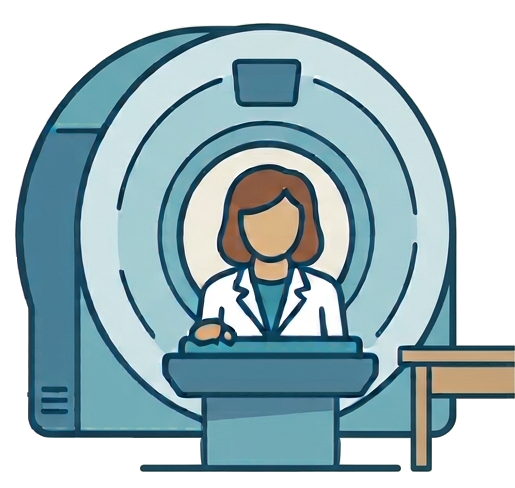
Research in Bioimaging and Medical Physics focuses on the development, validation, and application of quantitative methods for the characterization of physiological and pathological processes, with the aim of supporting diagnosis, prognosis, and the assessment and monitoring of treatment response.
Research activities include:
• Development and optimization of imaging techniques, with particular emphasis on magnetic resonance imaging and nuclear medicine, together with advanced computational methods for image analysis. These include image segmentation and registration, correction of artifacts and partial volume effects, reconstruction of quantitative maps, and multimodal data integration. A dedicated research line focuses on the development of digital and physical phantoms, including anthropomorphic models produced through prototyping and 3D printing, to support the validation, standardization, and harmonization of quantitative imaging methods.
• Radiomics, advanced data analysis, and personalized computational modeling, with applications in neurology, oncology, inflammatory diseases, cardiovascular medicine, and pediatrics.
• Dosimetry and assessment of the effects of ionizing radiation in both clinical and preclinical settings. Dedicated activities address the characterization of dose measurement systems and the optimization of diagnostic imaging and radiotherapy protocols. Radiobiological and predictive models are developed by integrating dosimetric, clinical, and imaging data through advanced statistical methods, voxel- and image-based approaches, and machine learning techniques. Emphasis is placed on multicenter validation, model robustness, reproducibility, and the translation of quantitative methods and predictive models into clinical practice.
Personnel involved:
Outreach
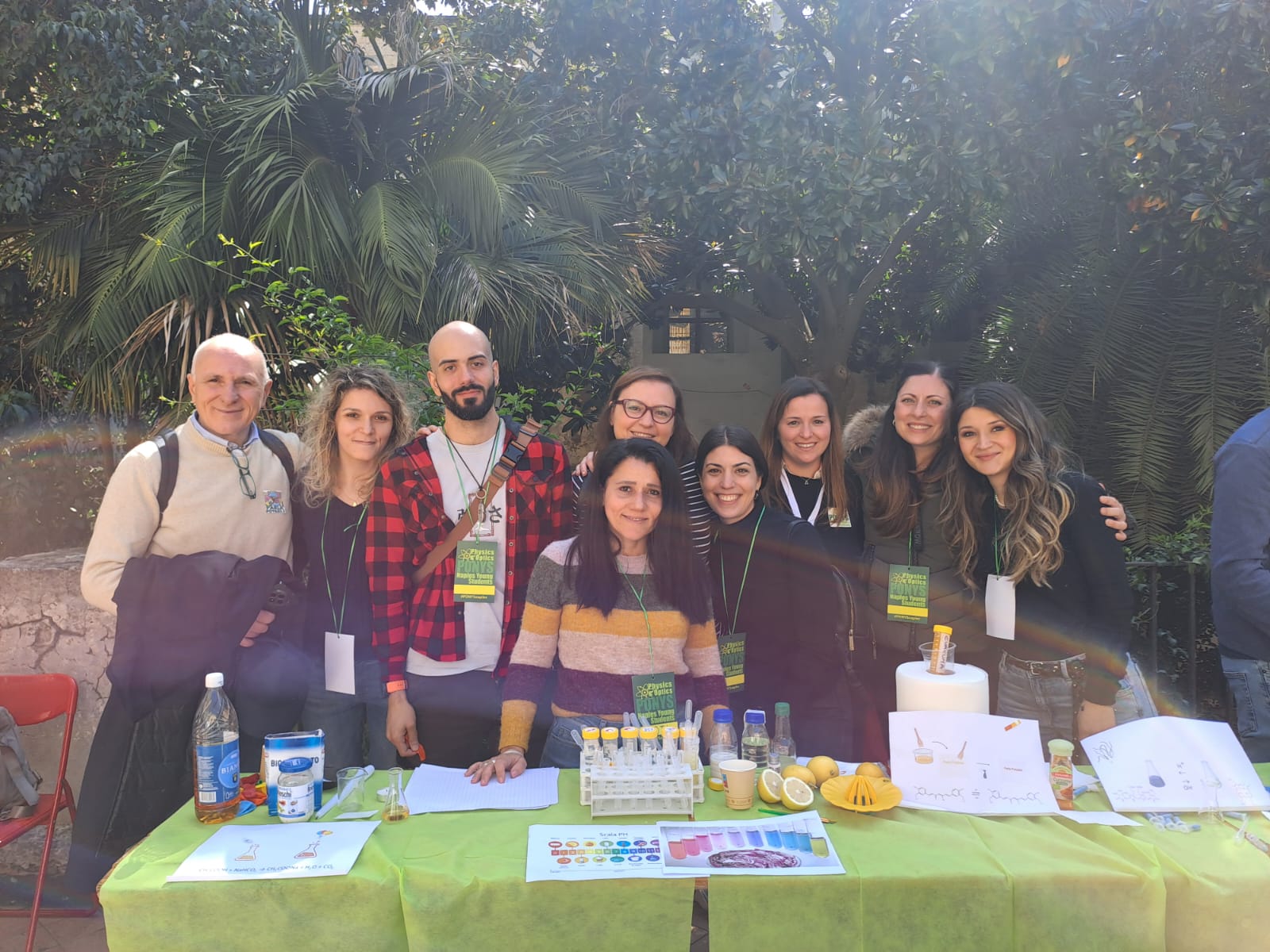
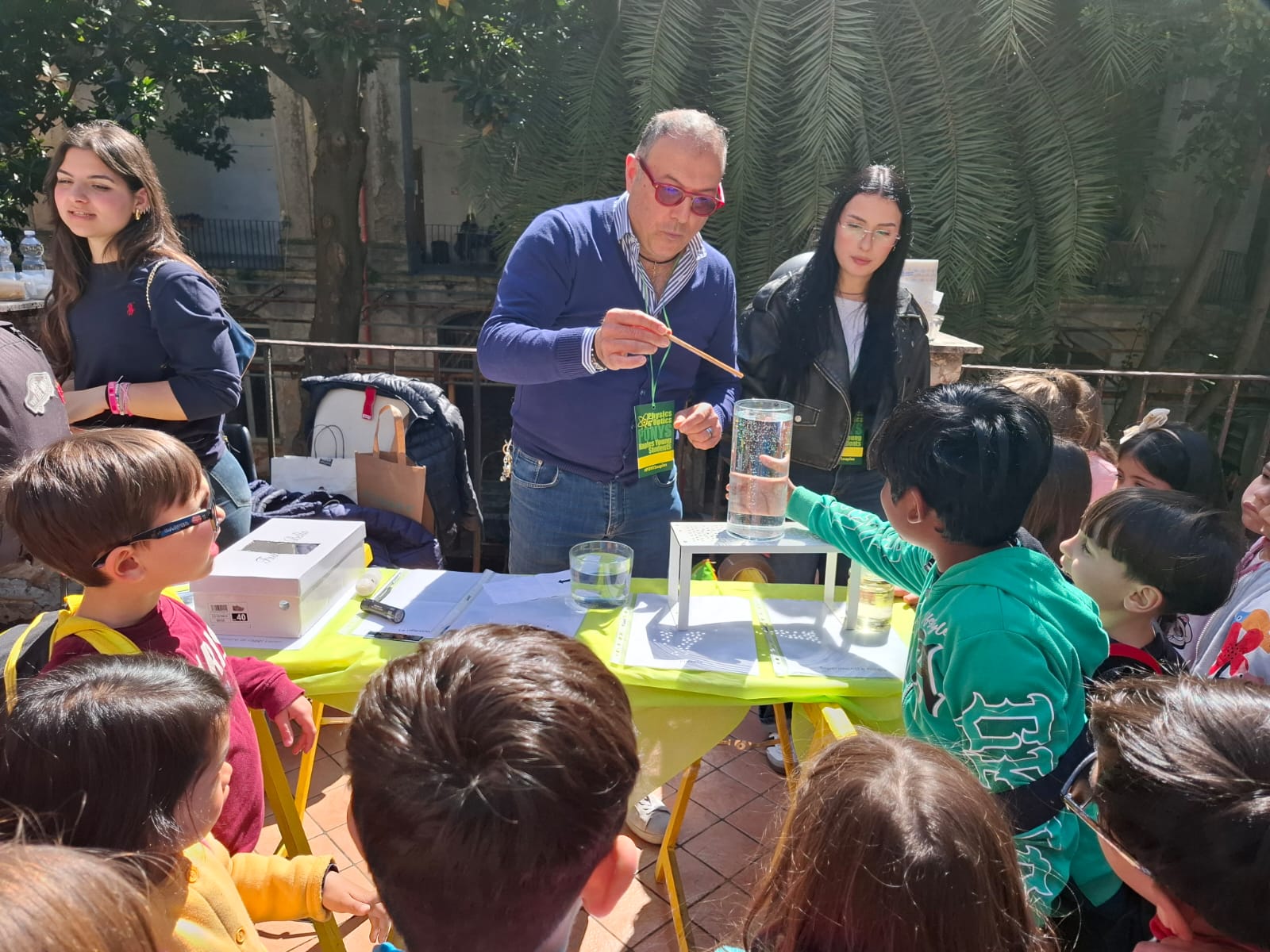
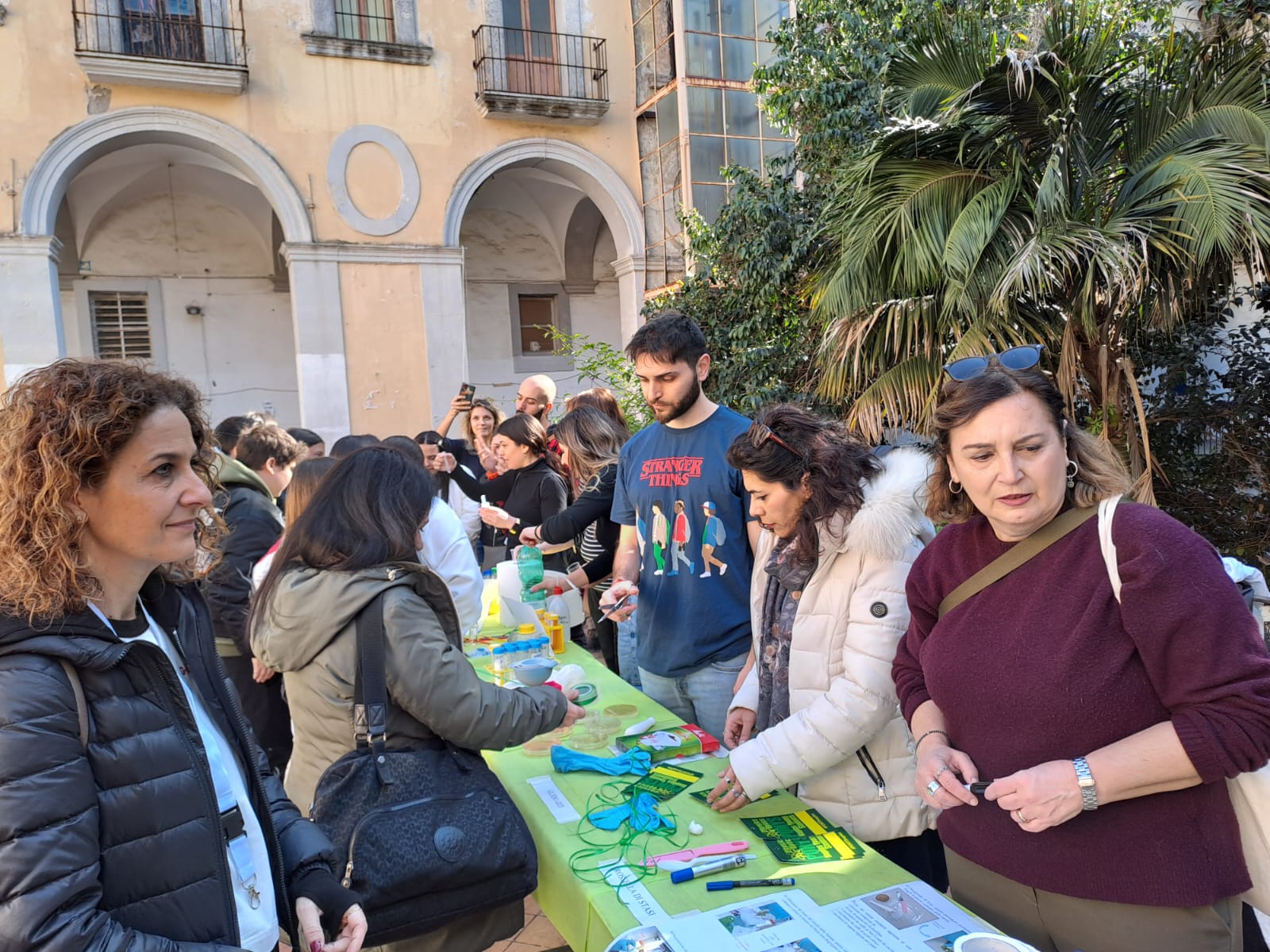
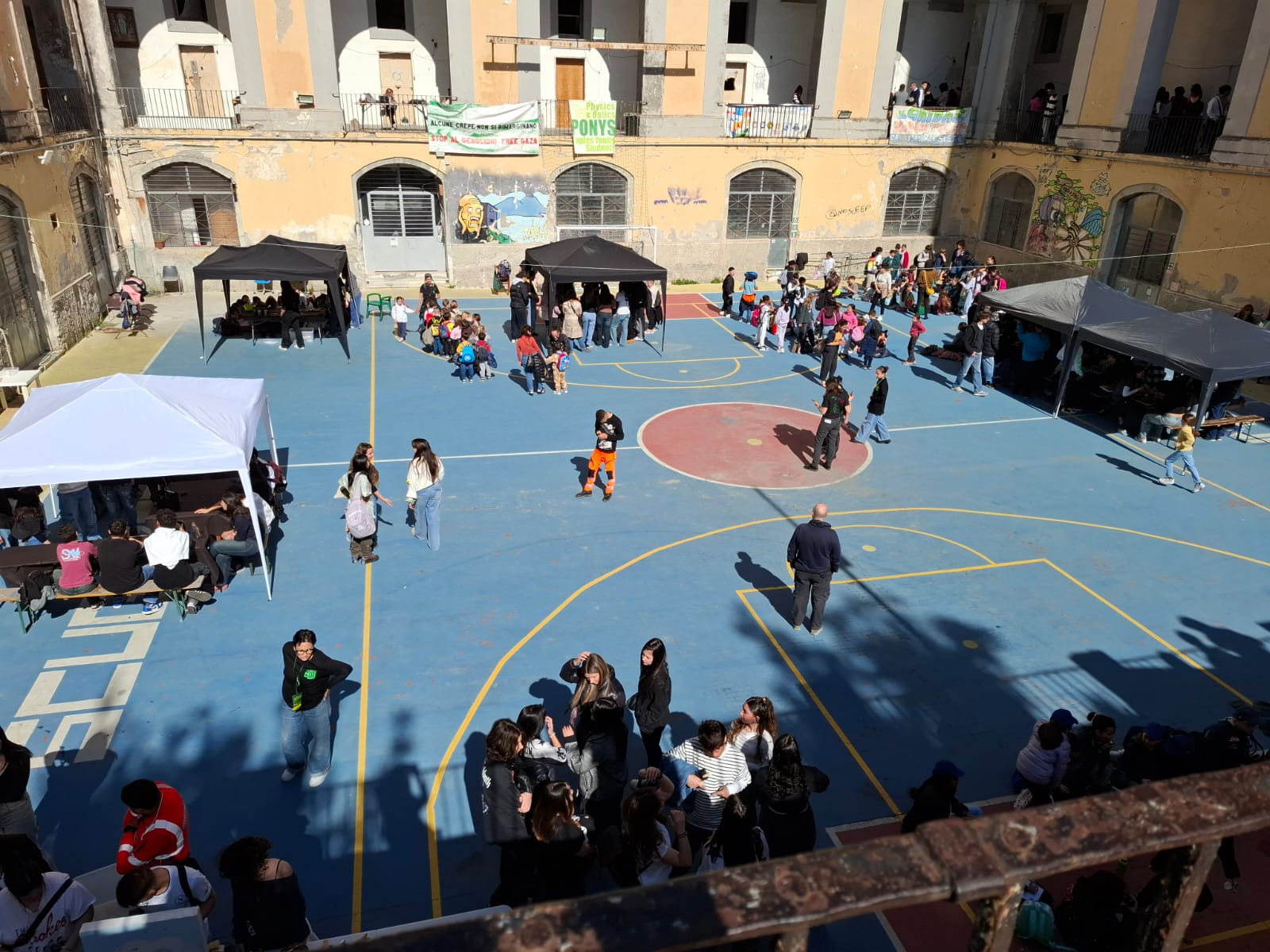
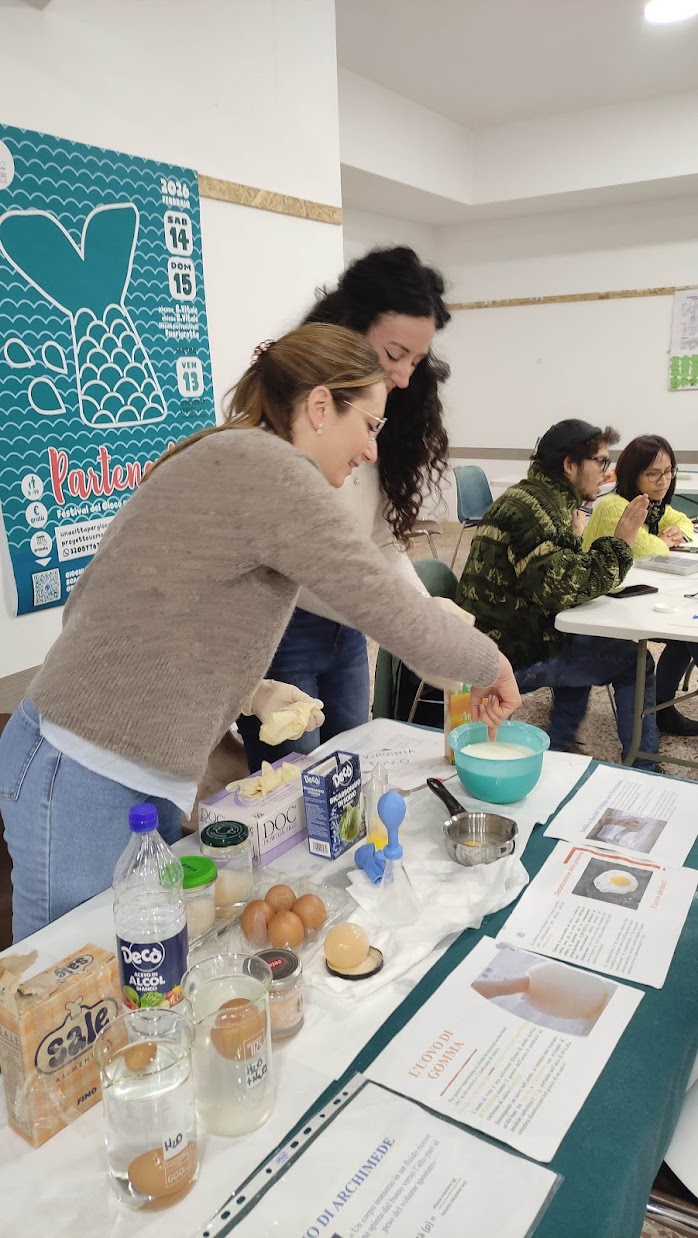
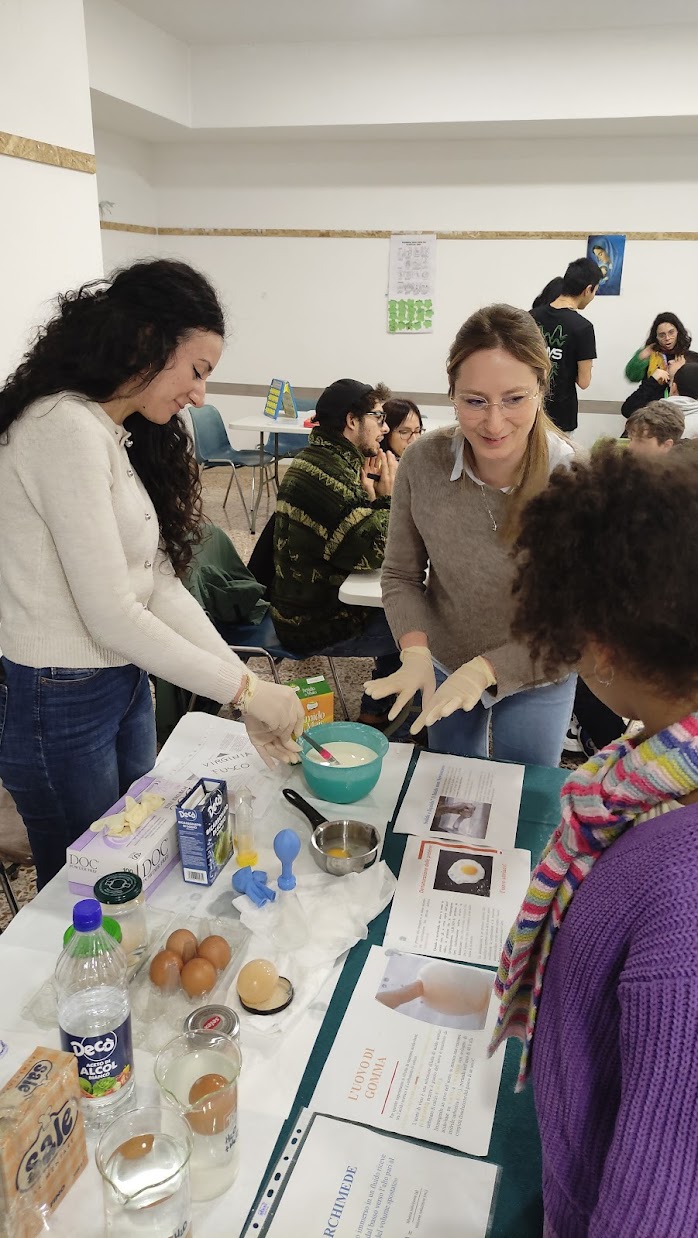
Research at IBB extends beyond the laboratory: it grows through exchange, is enriched by dialogue with society, and creates value when shared. For this reason, the Institute promotes an open, accessible, and participatory approach to science, creating opportunities for interaction between the research community and citizens, students, schools, and local communities.
IBB is part of CREO – Campania Research Outreach Network of the National Research Council (CNR), a network established to enhance and coordinate science communication and public engagement activities across the region, fostering collaboration among Institutes and developing new opportunities for participation and cultural growth.
Each year, the Institute contributes to major science communication events, offering the public opportunities to experience research first-hand and gain insight into the work of researchers and the role of science in society.
Through hands-on laboratories, guided visits, educational activities, public events, orientation programmes, and collaborations with schools, IBB promotes dialogue between research and society and encourages active and informed participation.
The goal is to make scientific knowledge increasingly accessible and to contribute to building an open, inclusive, and shared culture of research.
Discover activities and explore the world of research with us


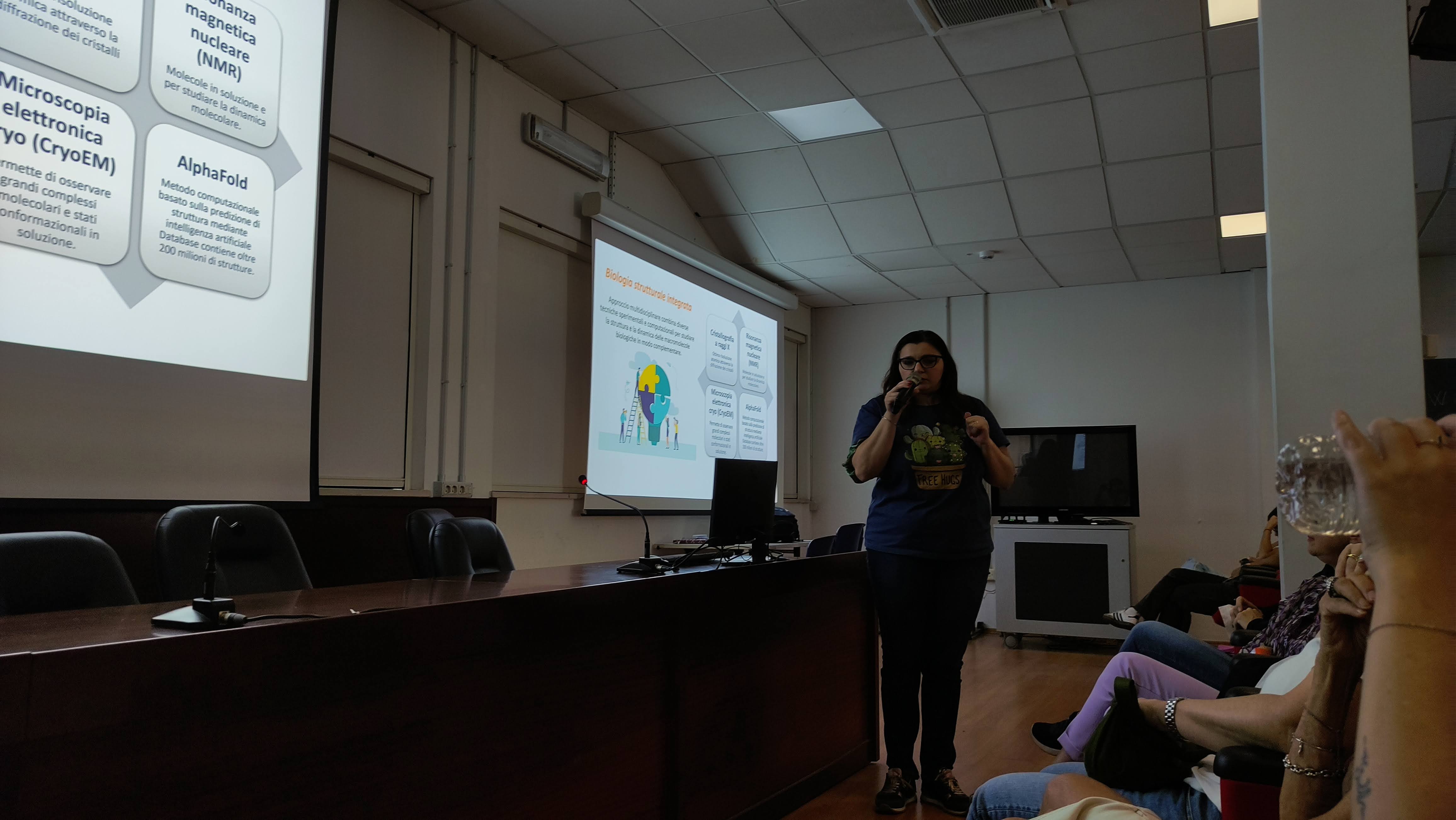
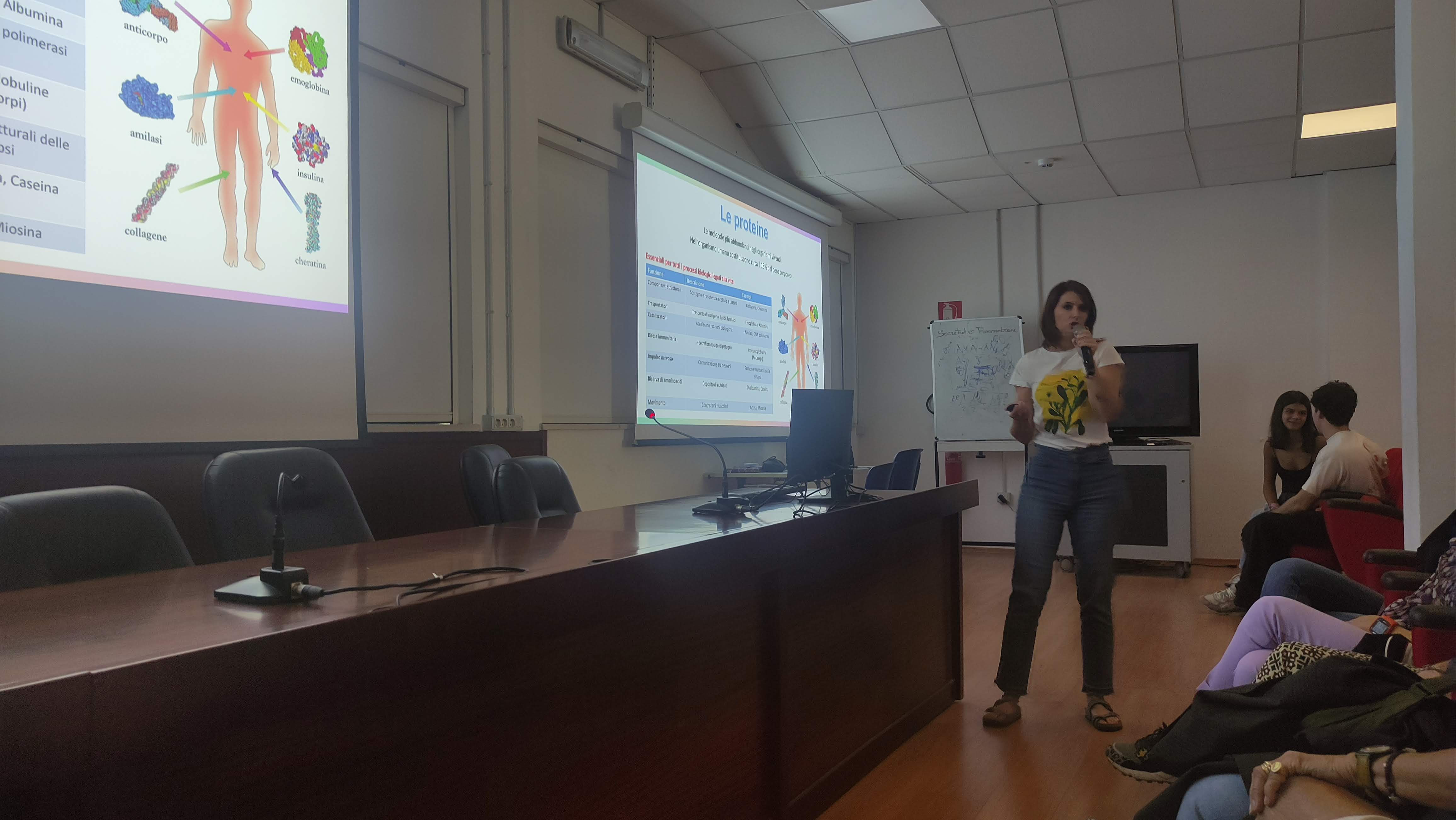
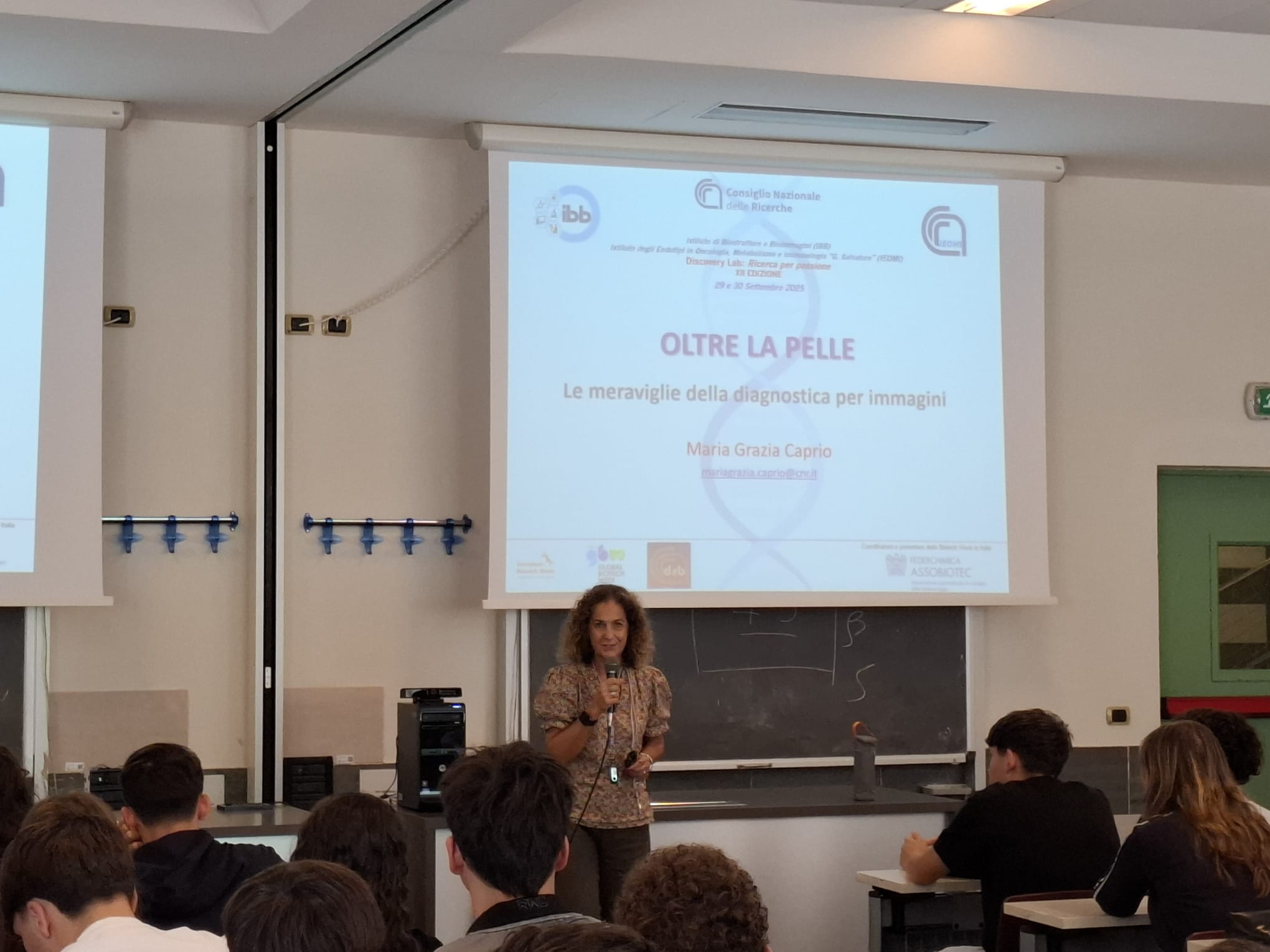
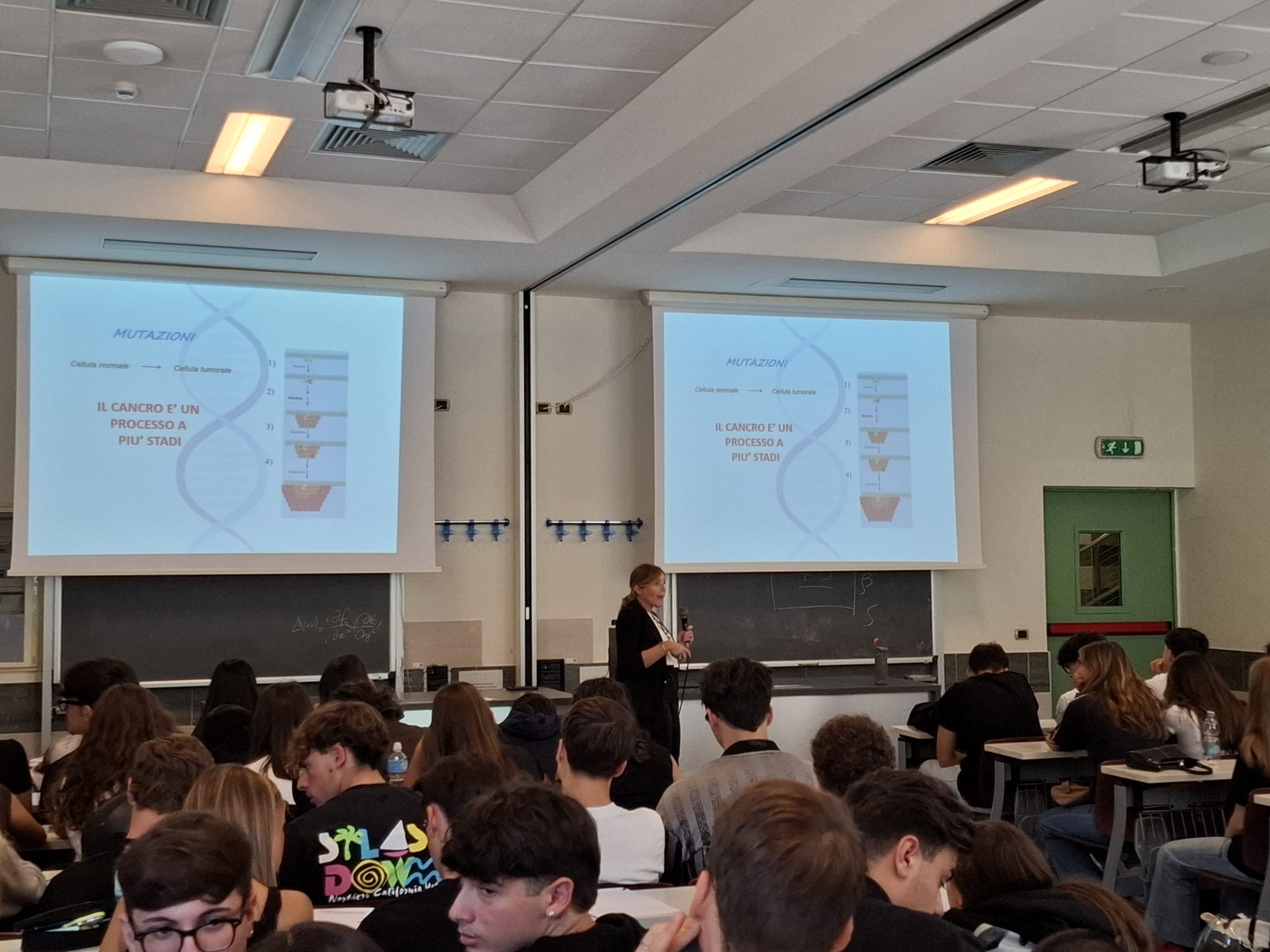
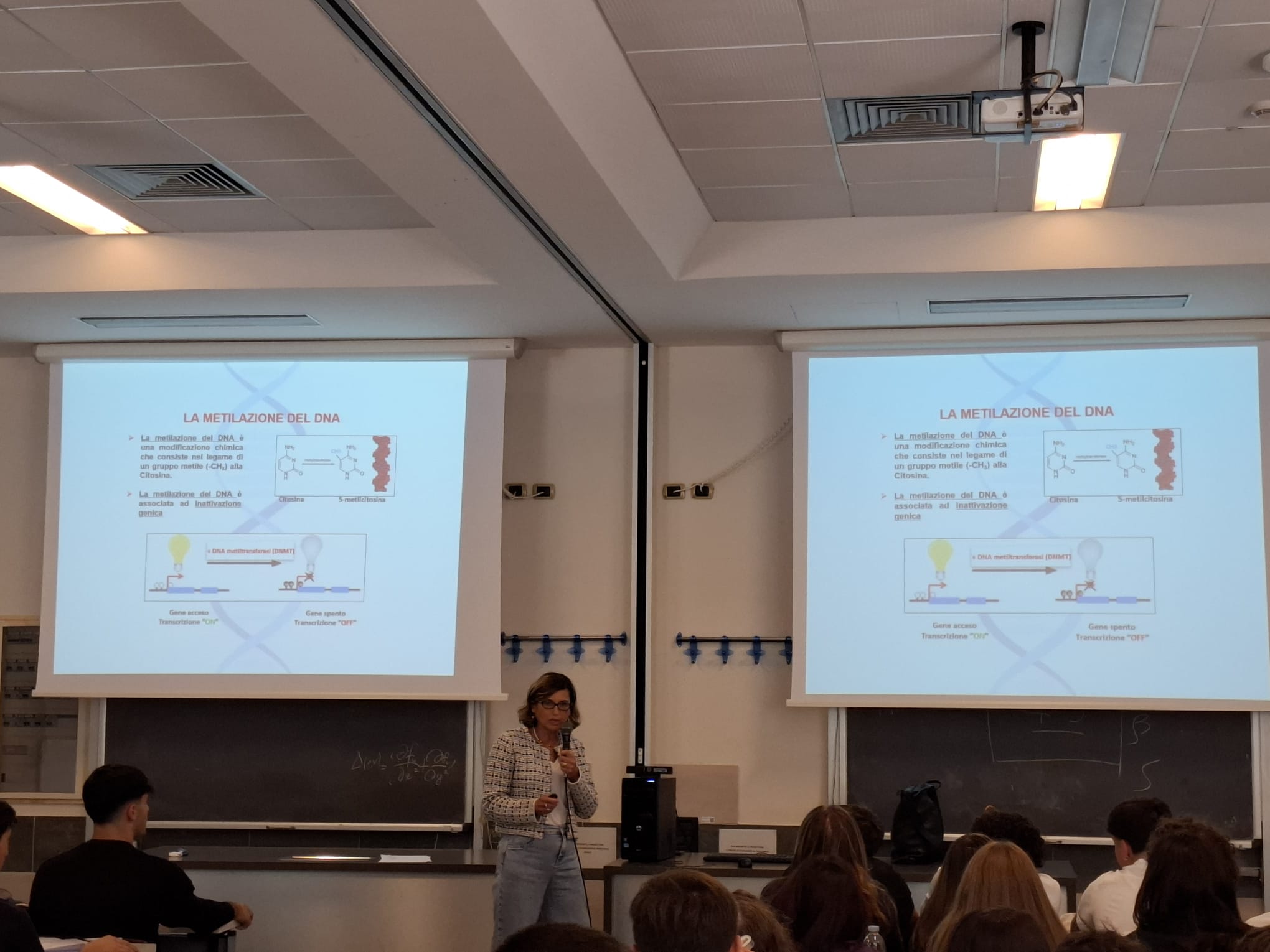
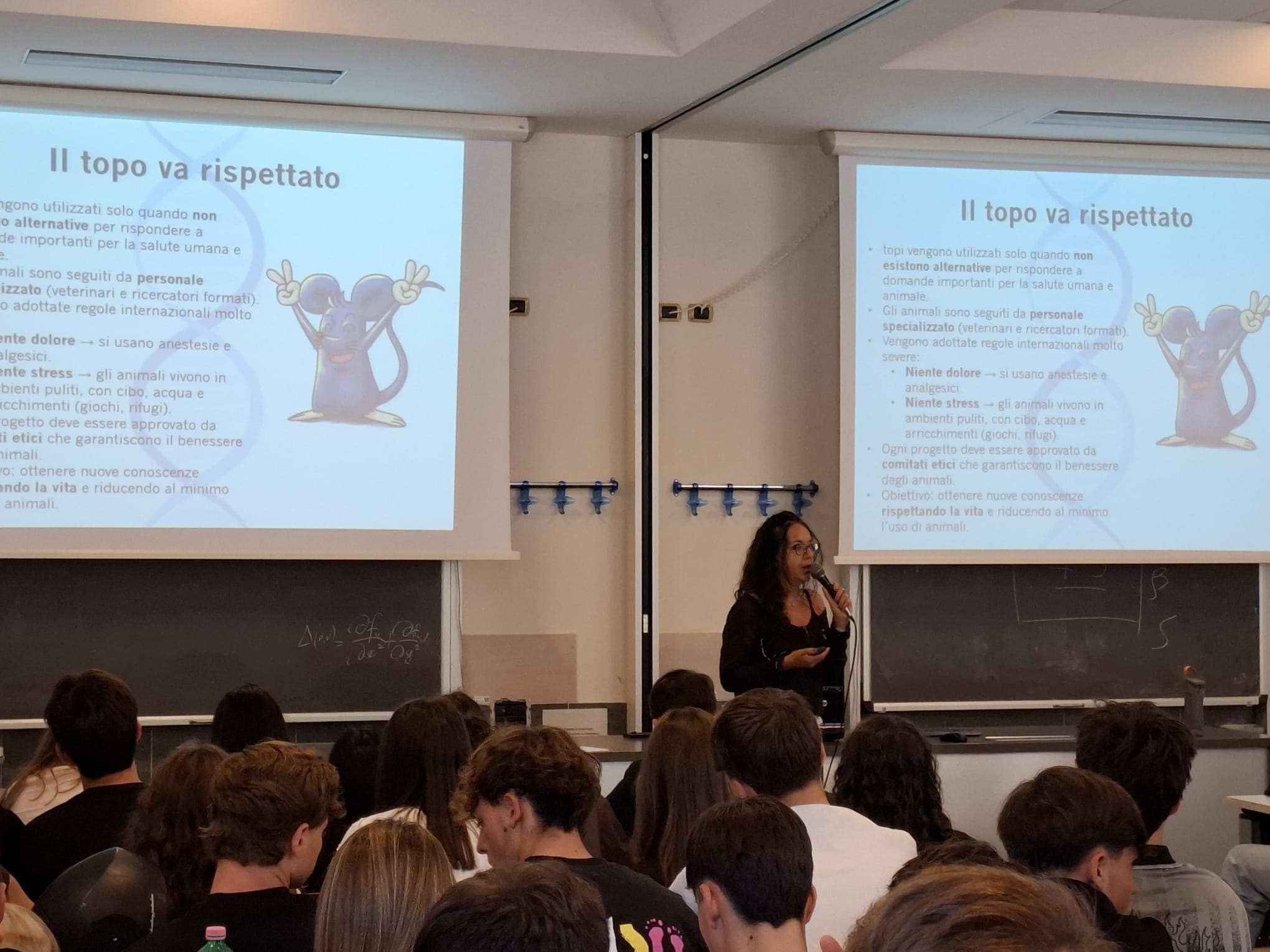
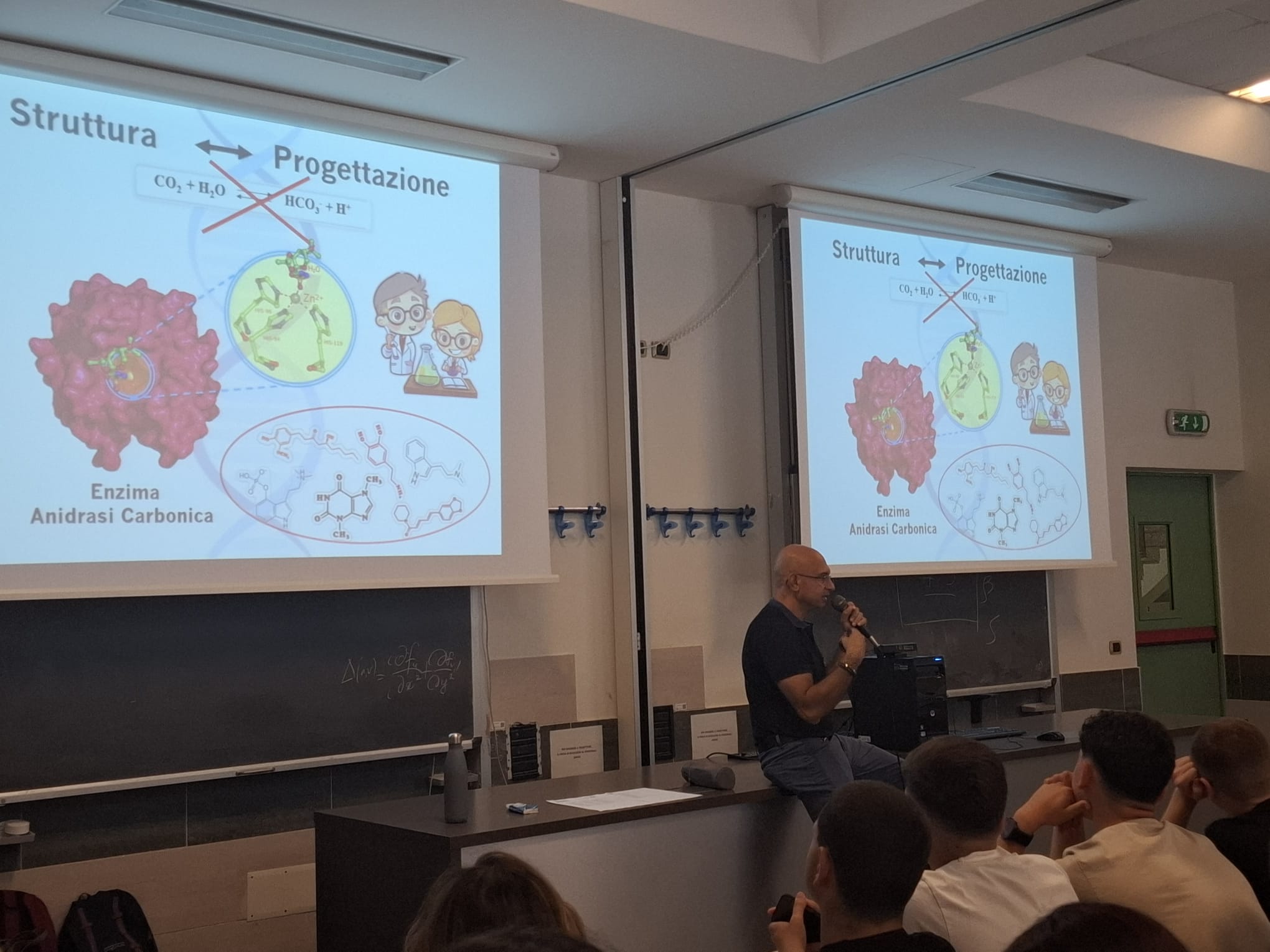




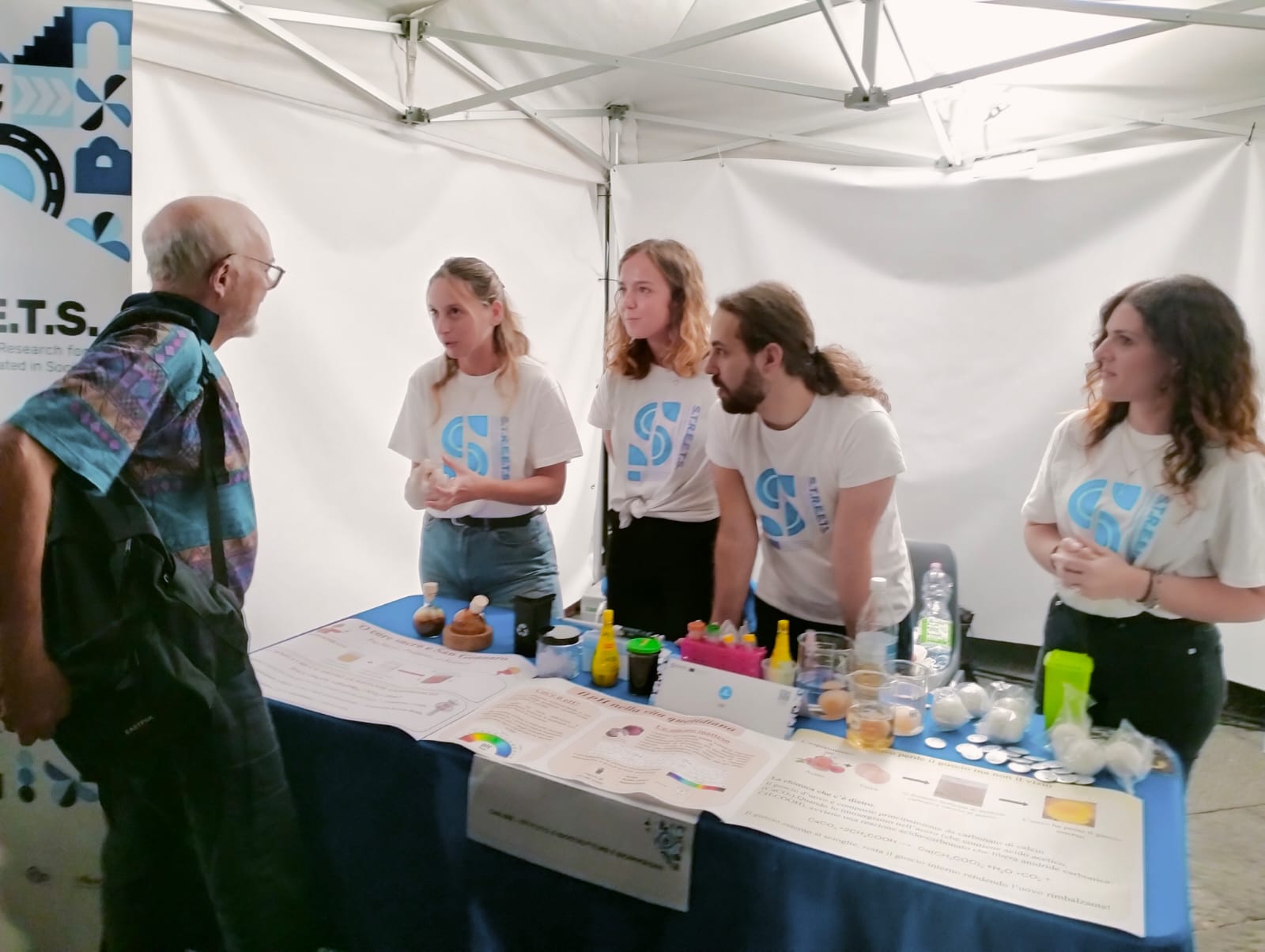
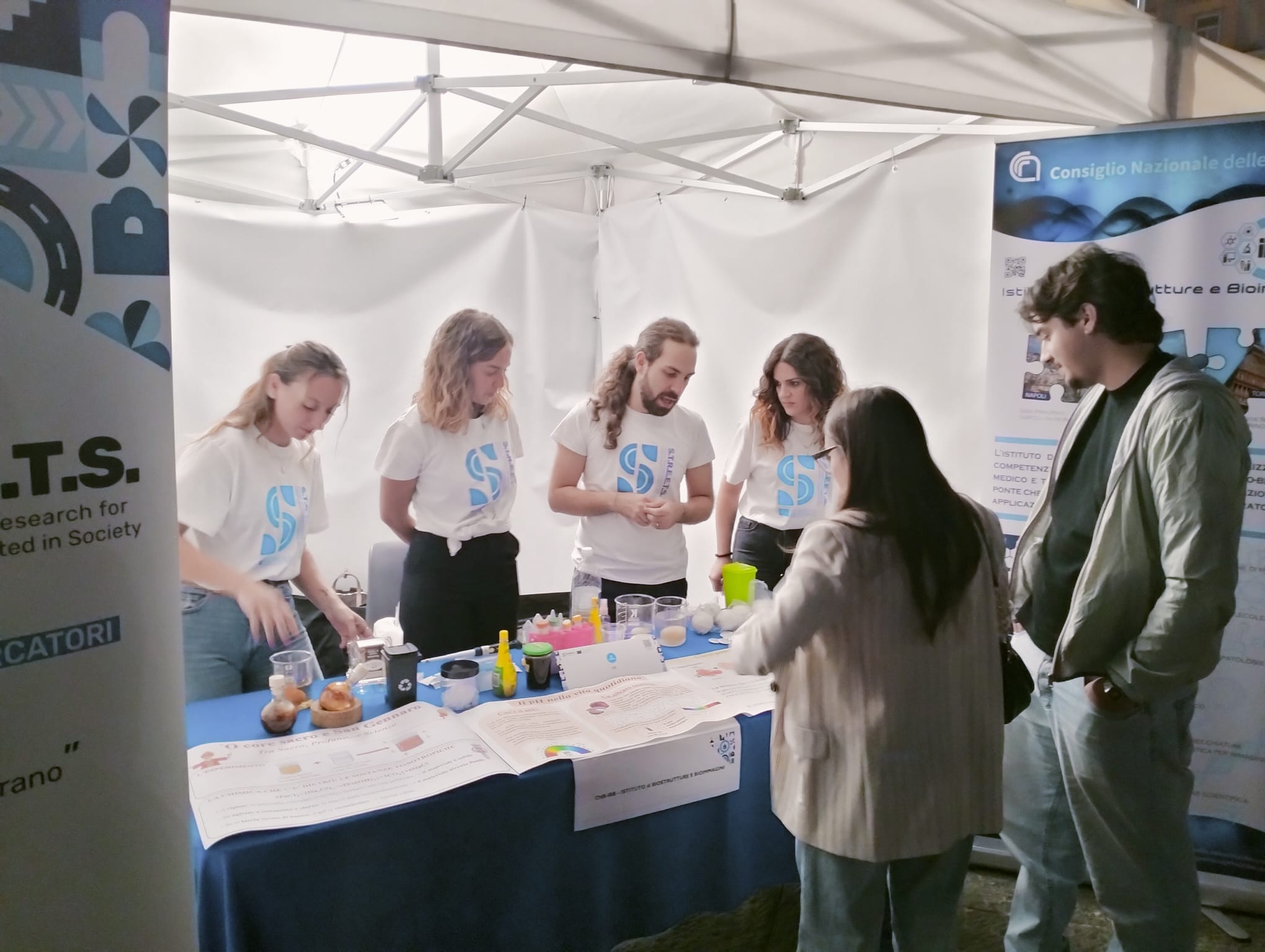
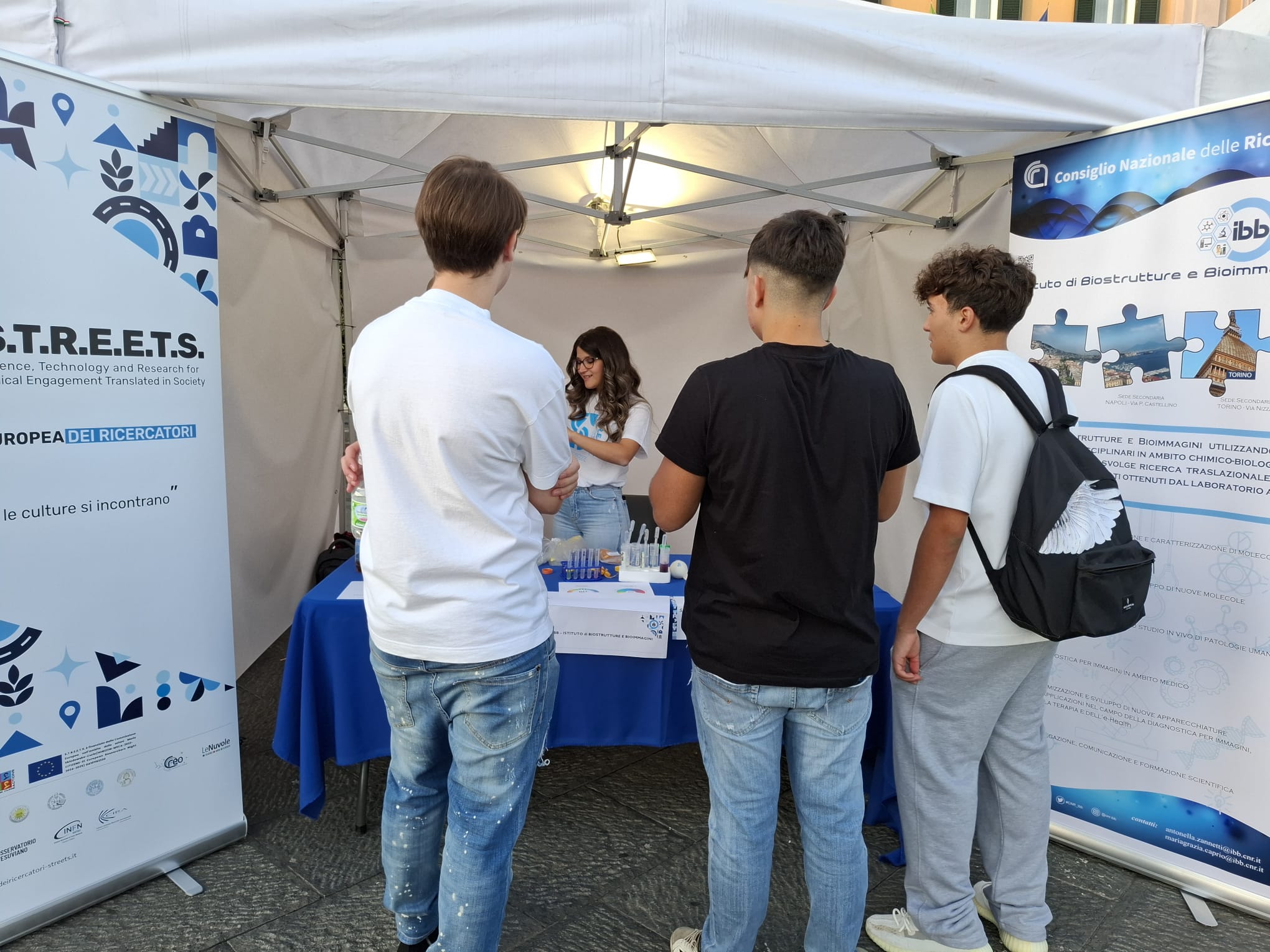
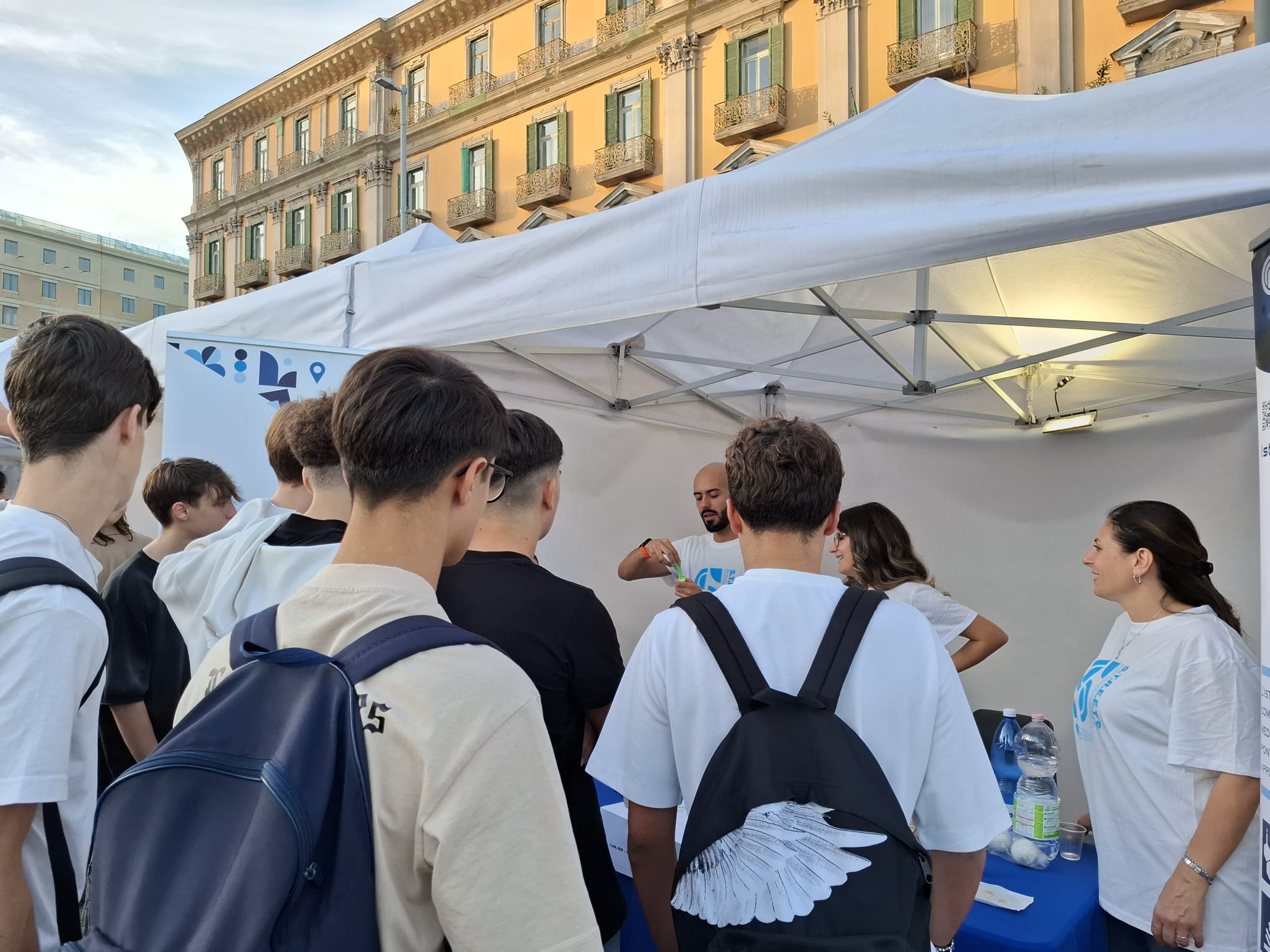
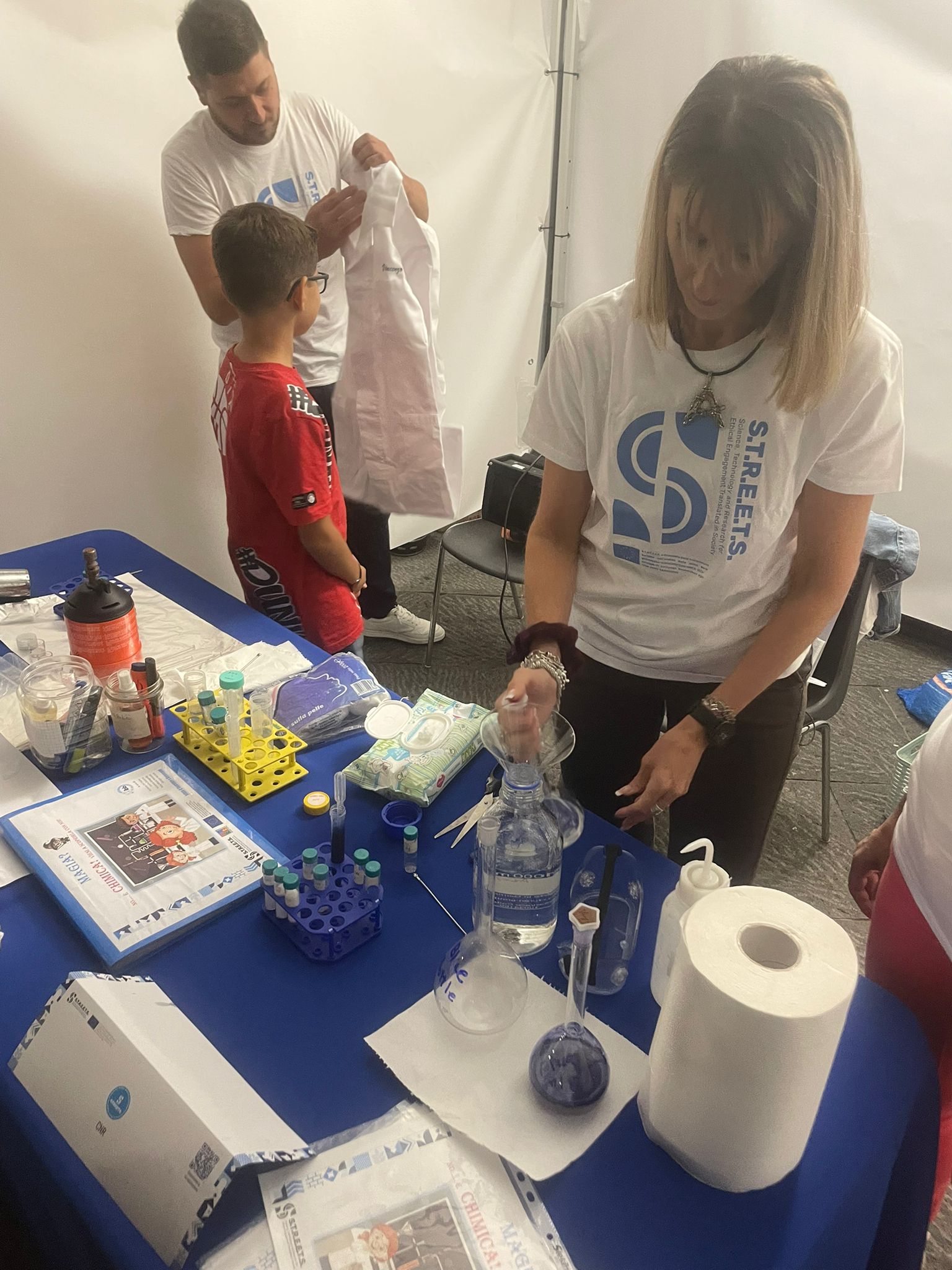
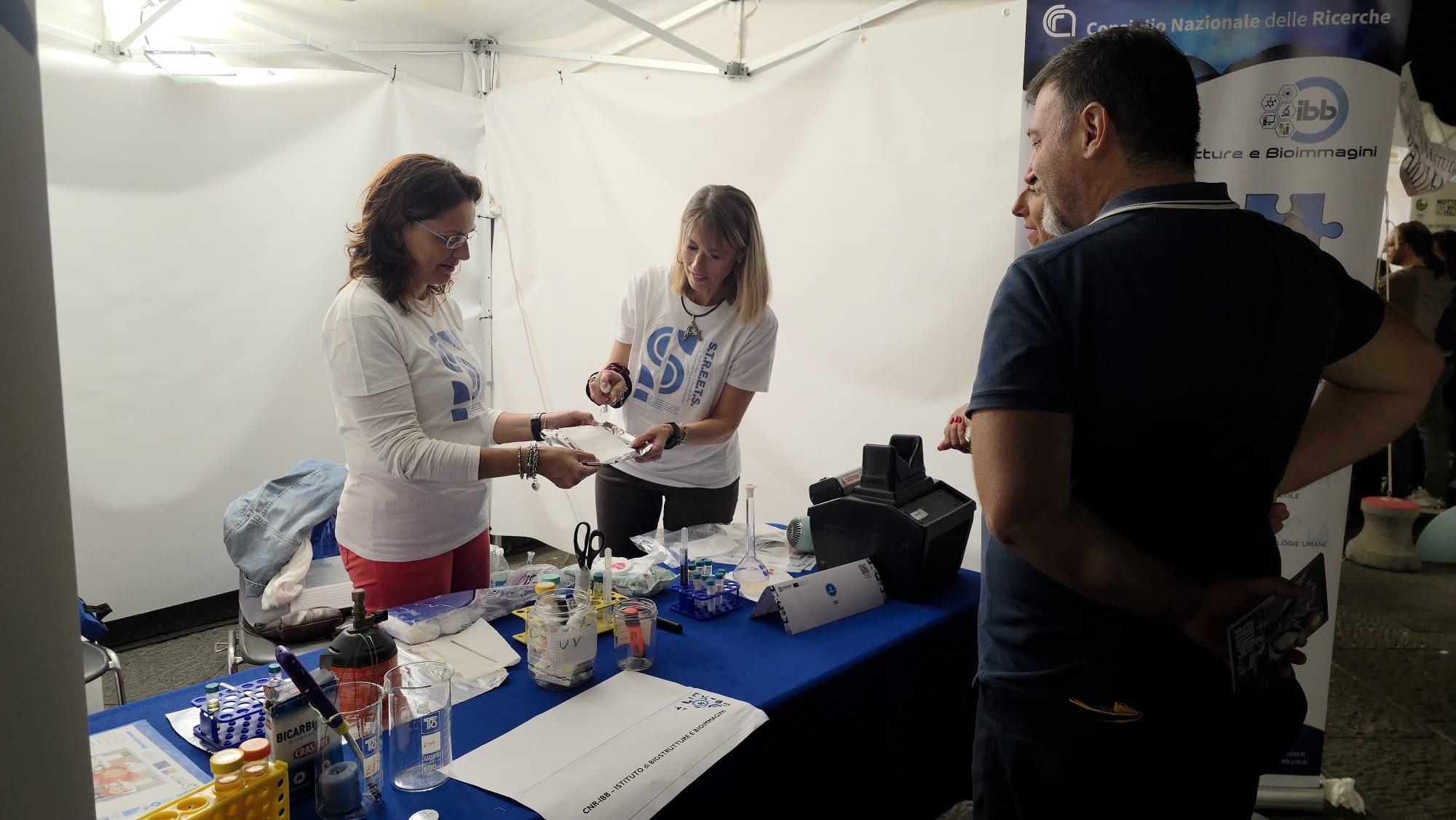
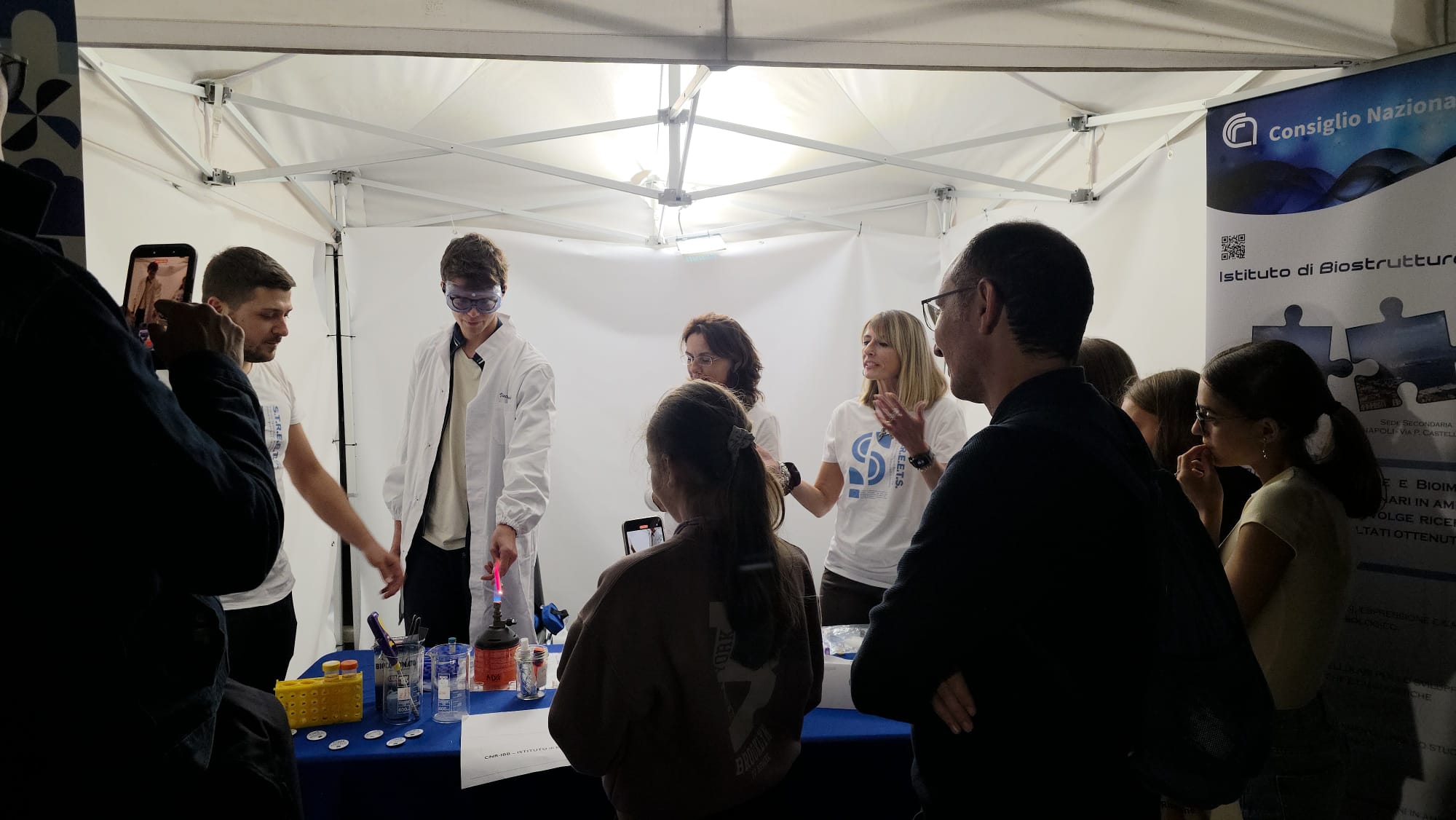
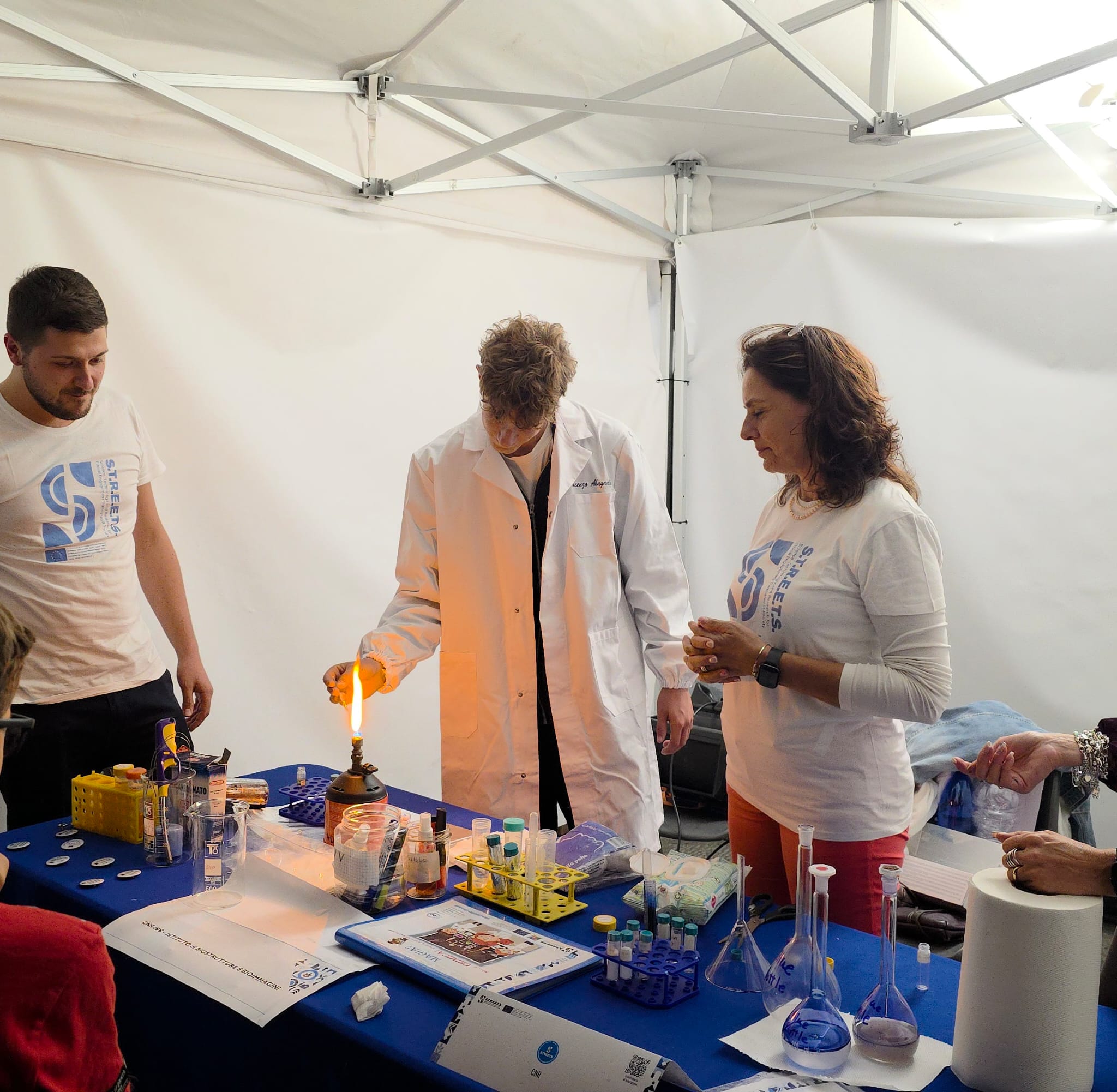

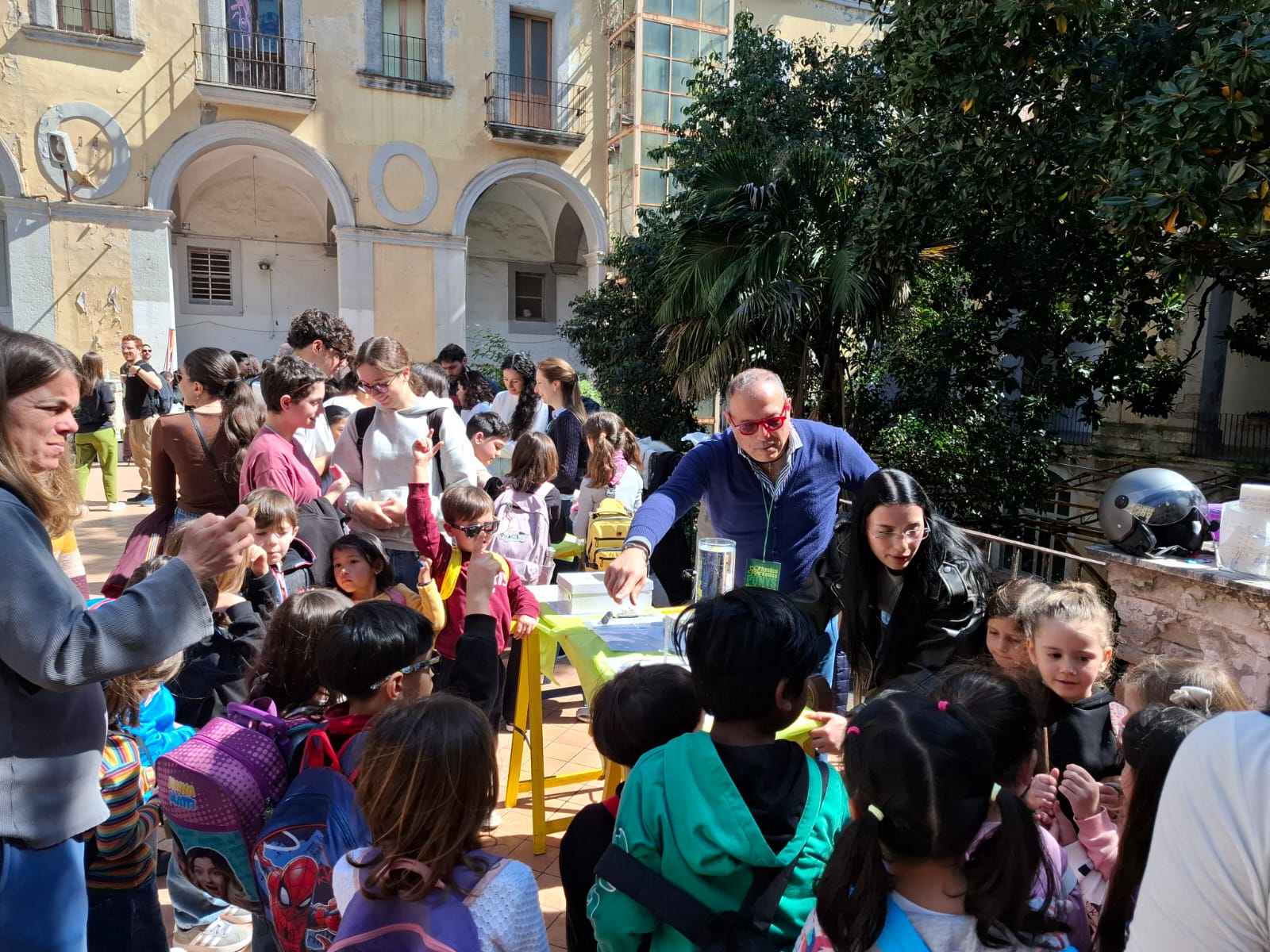
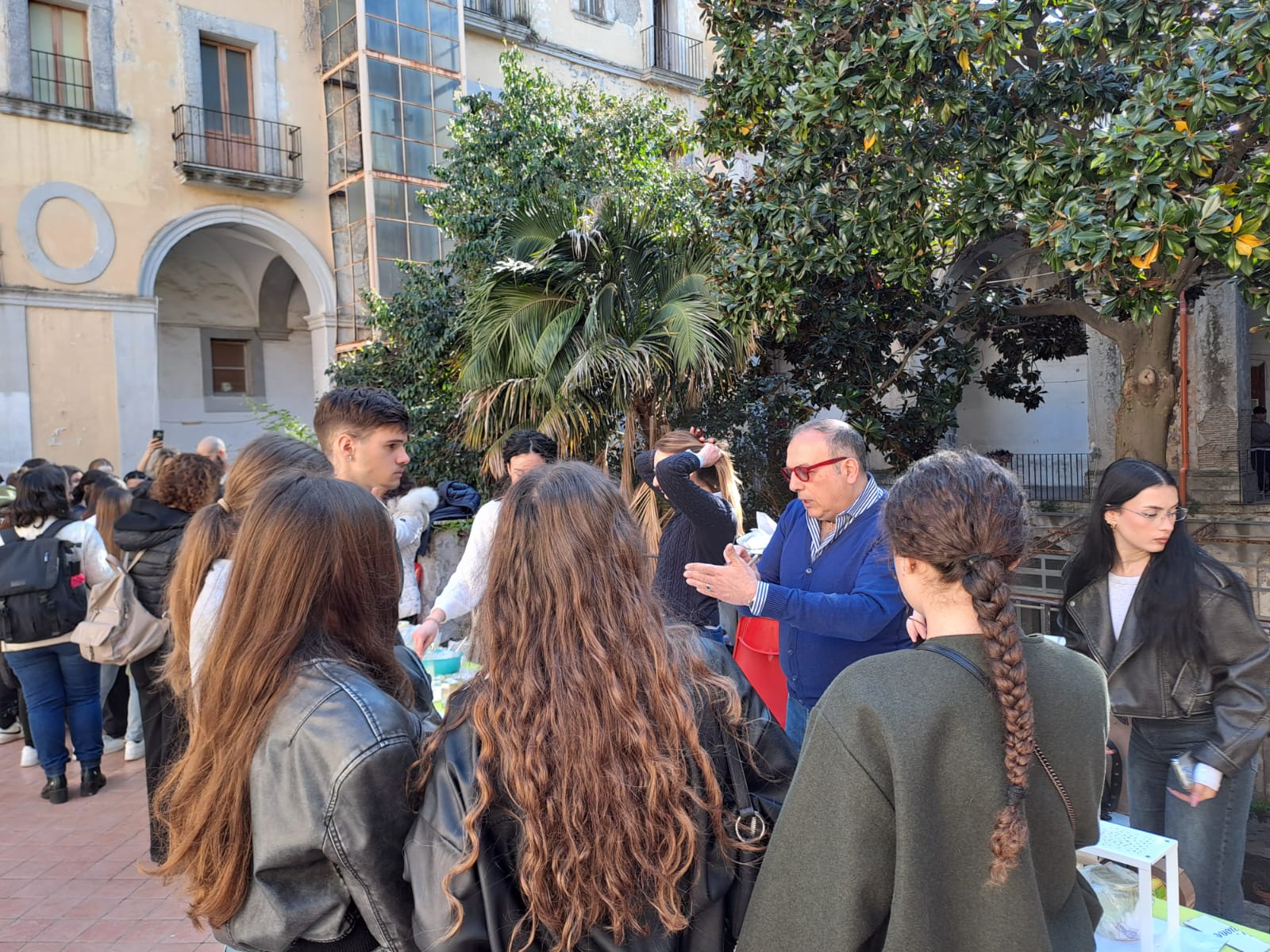
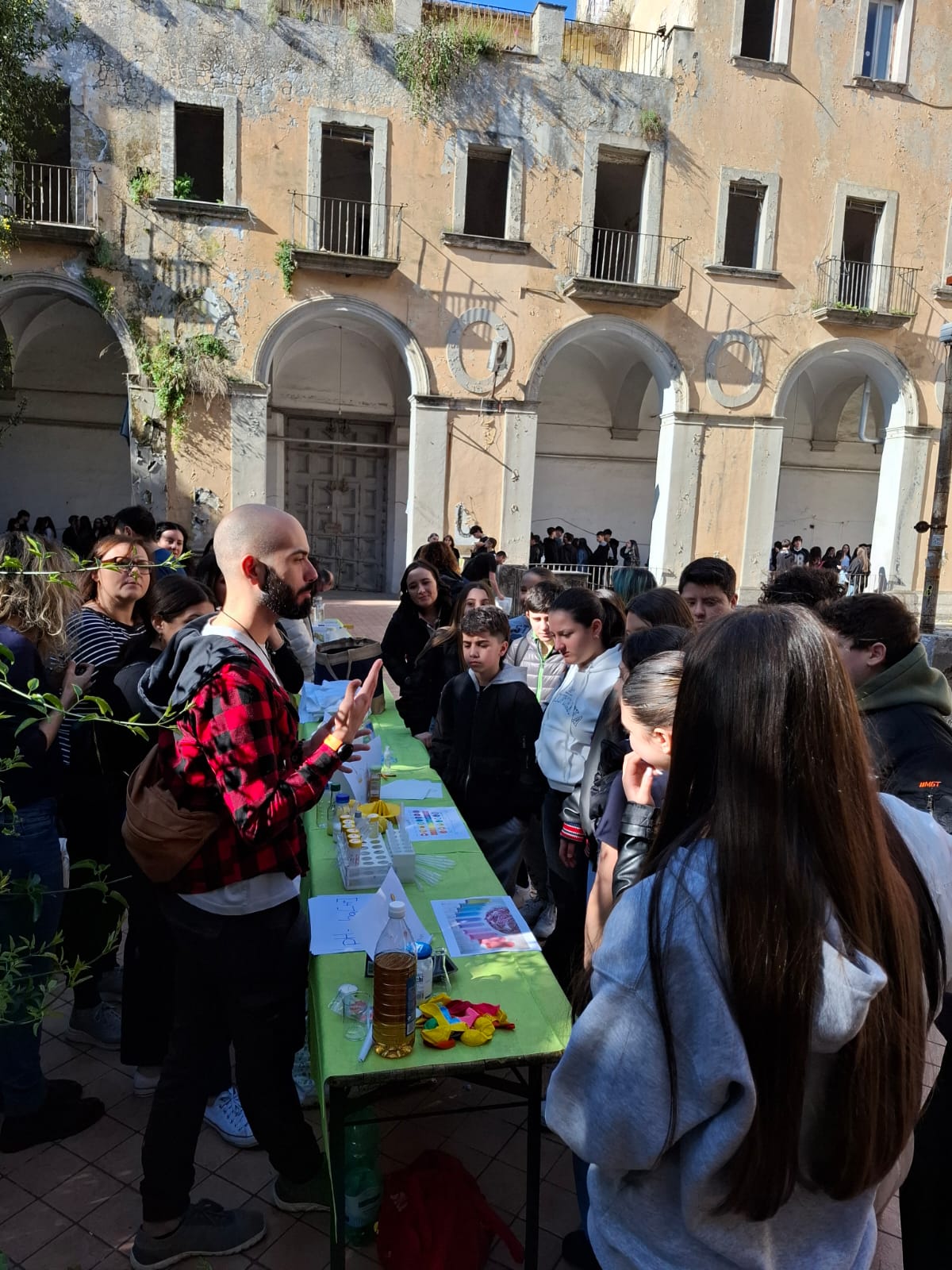
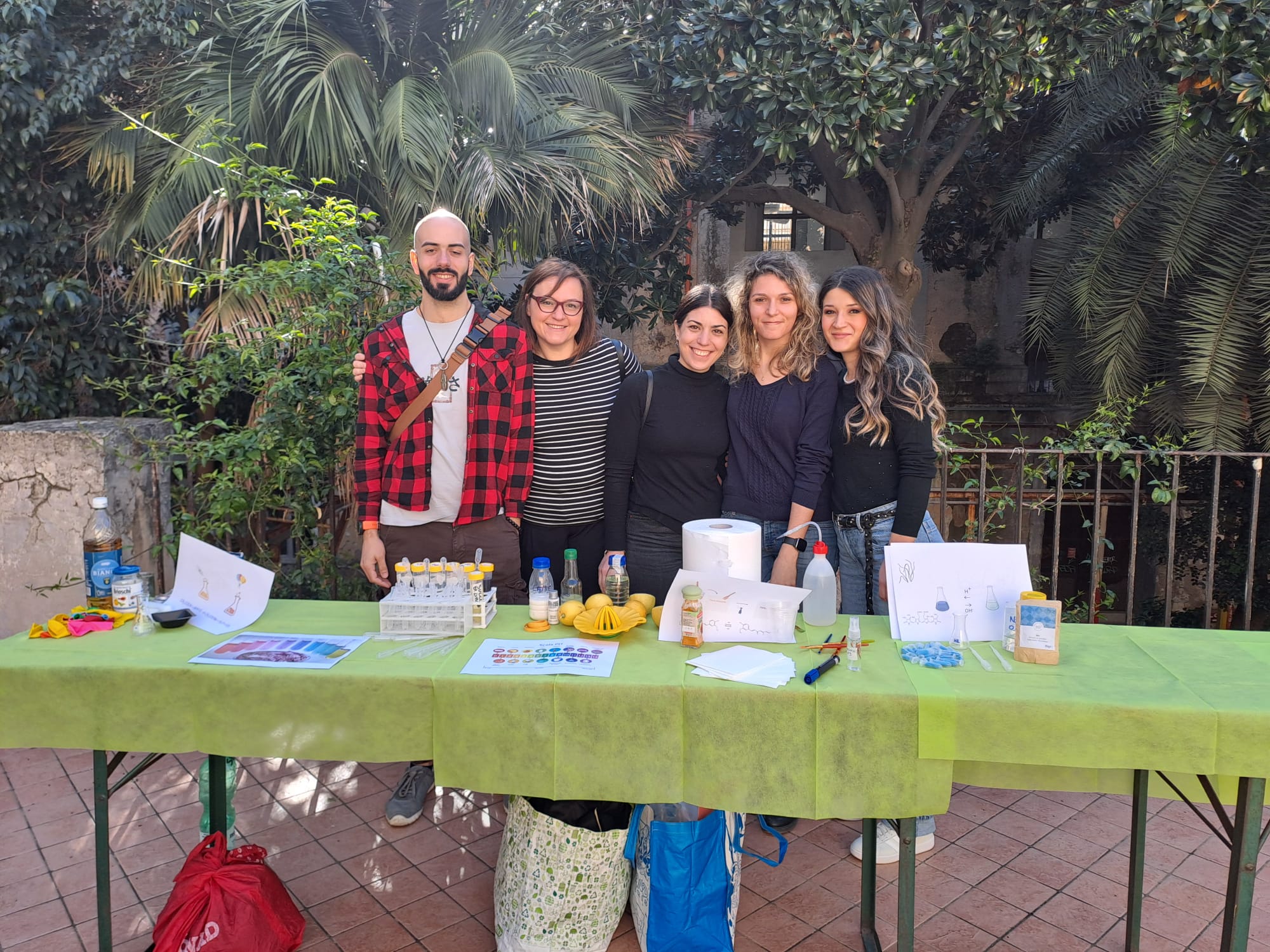
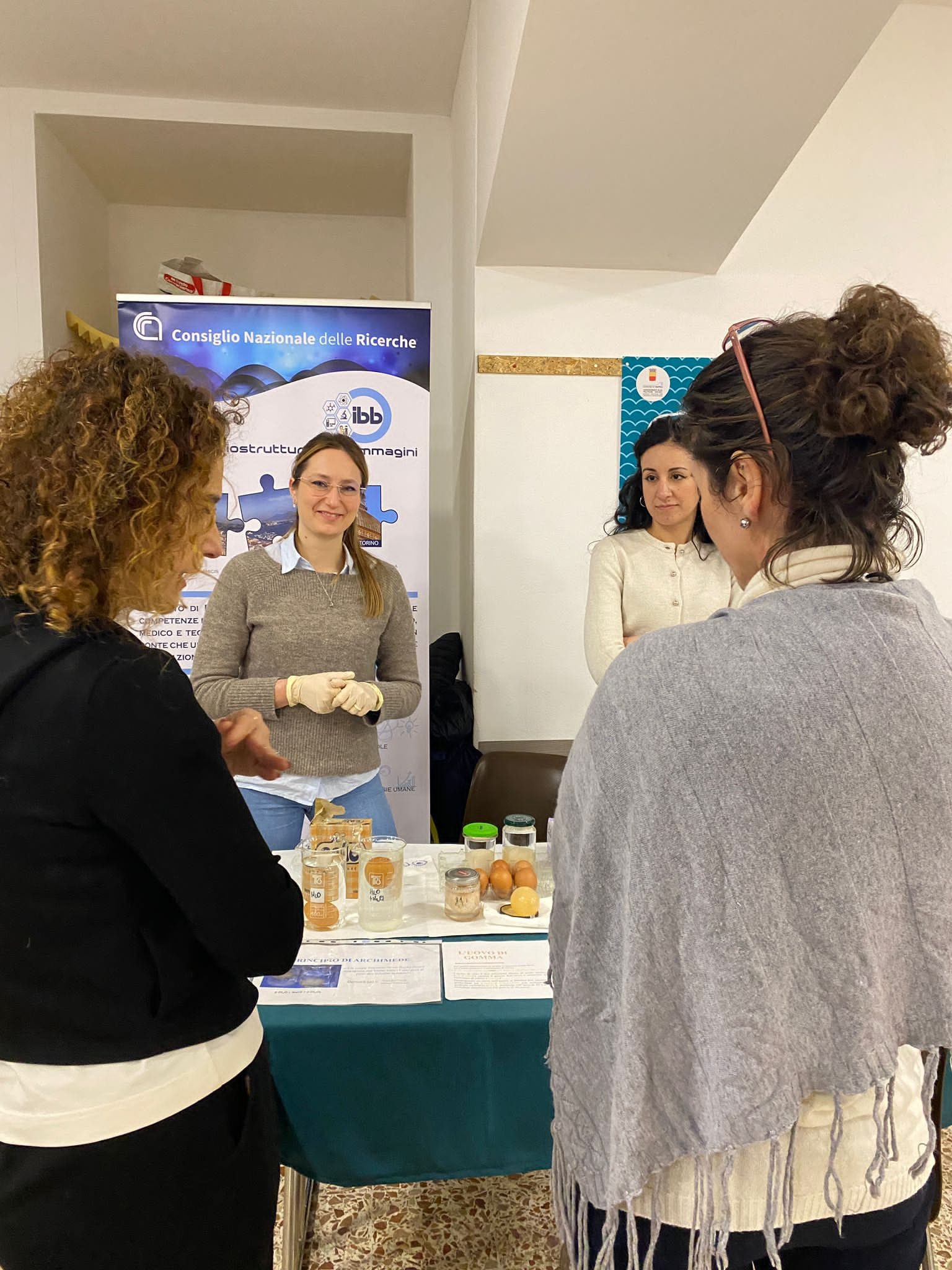


European Researchers’ Night
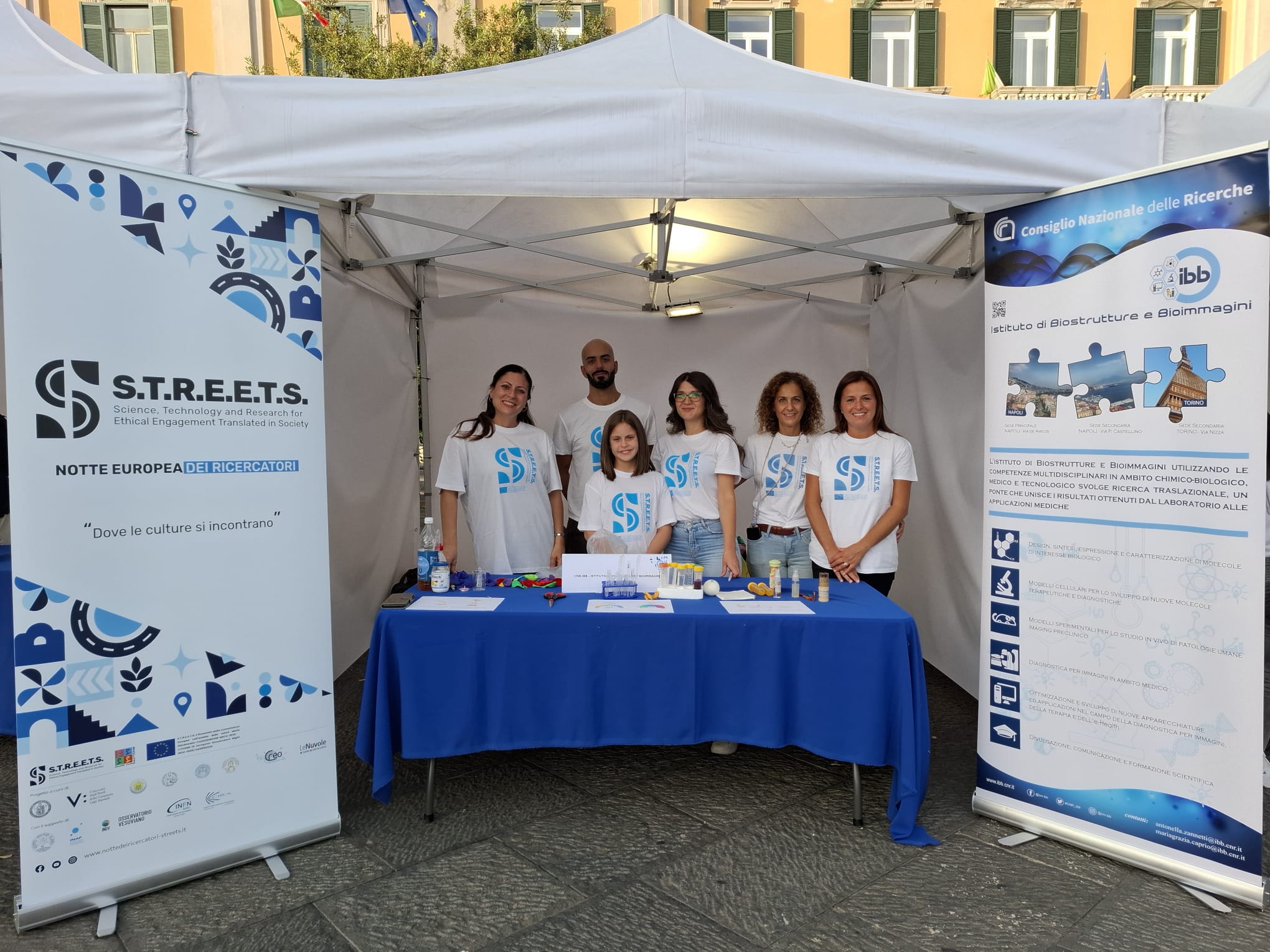
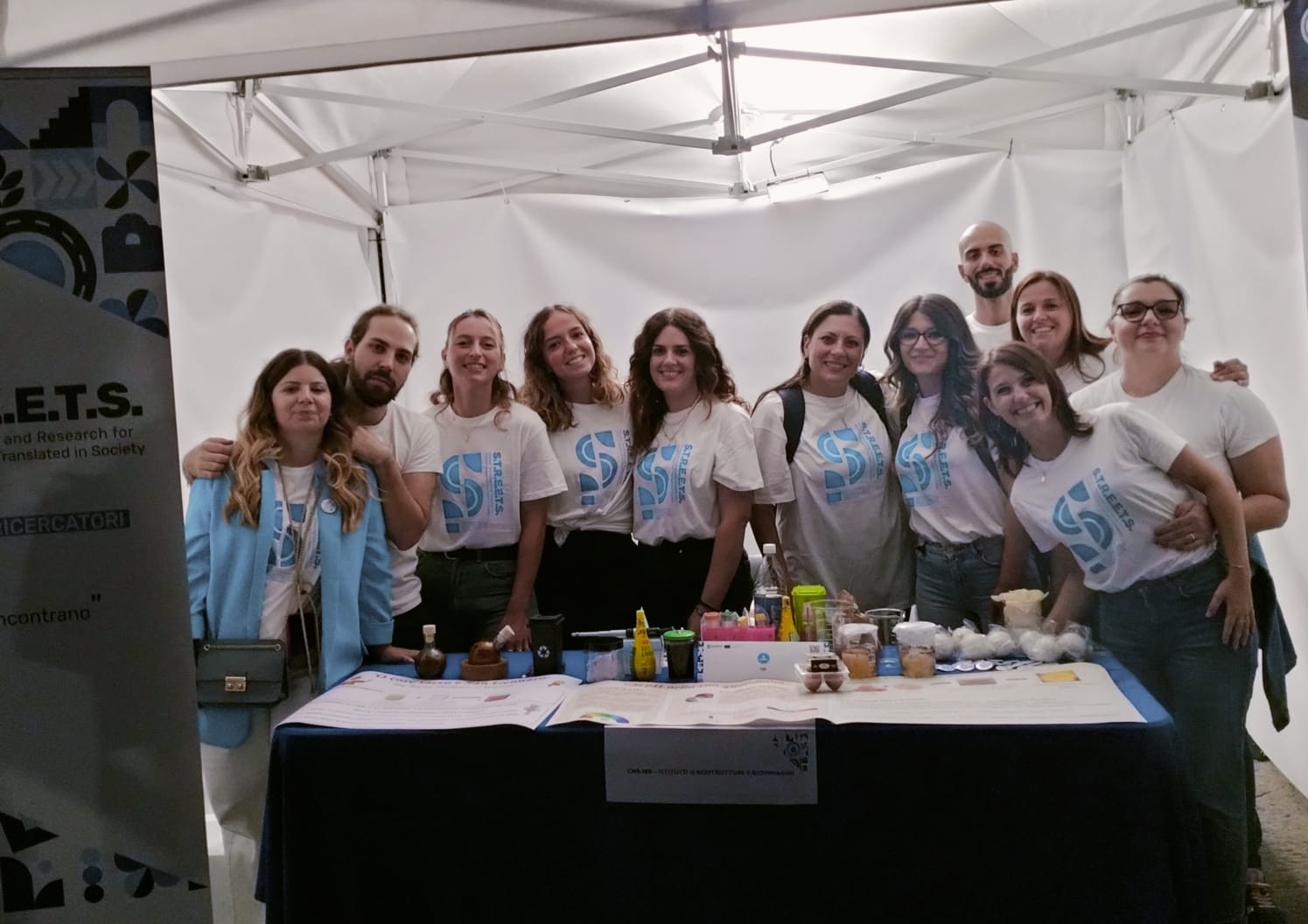
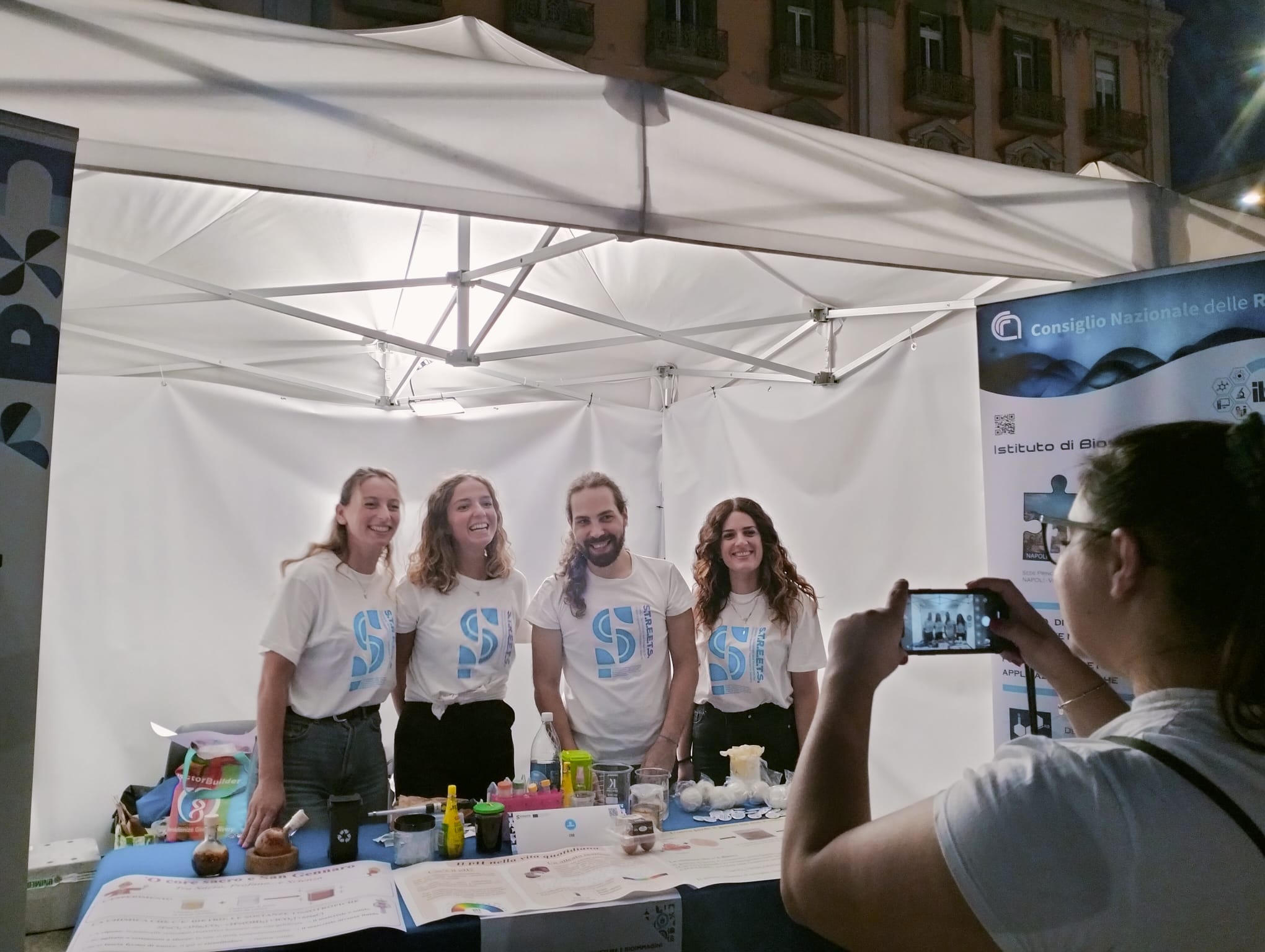
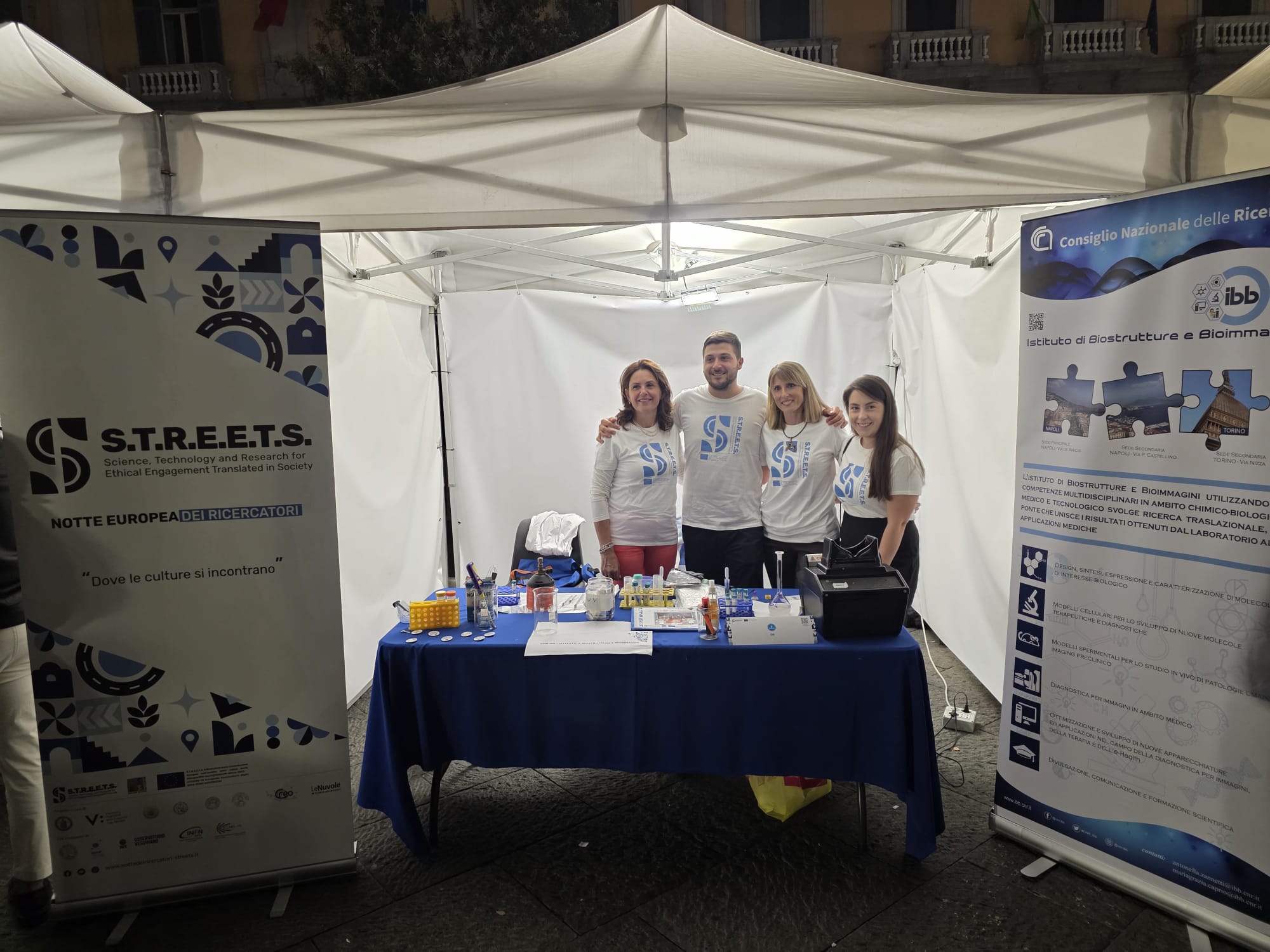
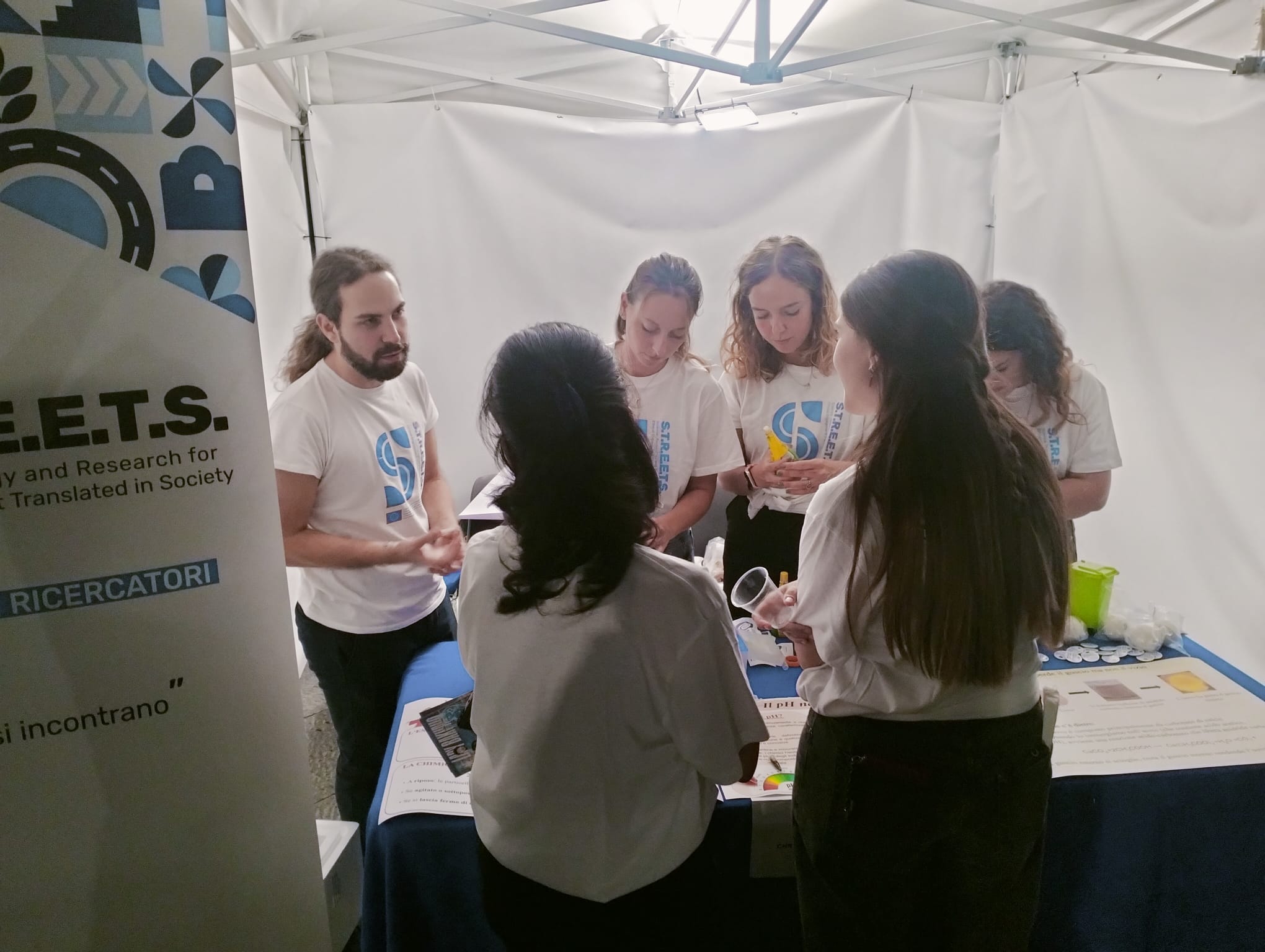
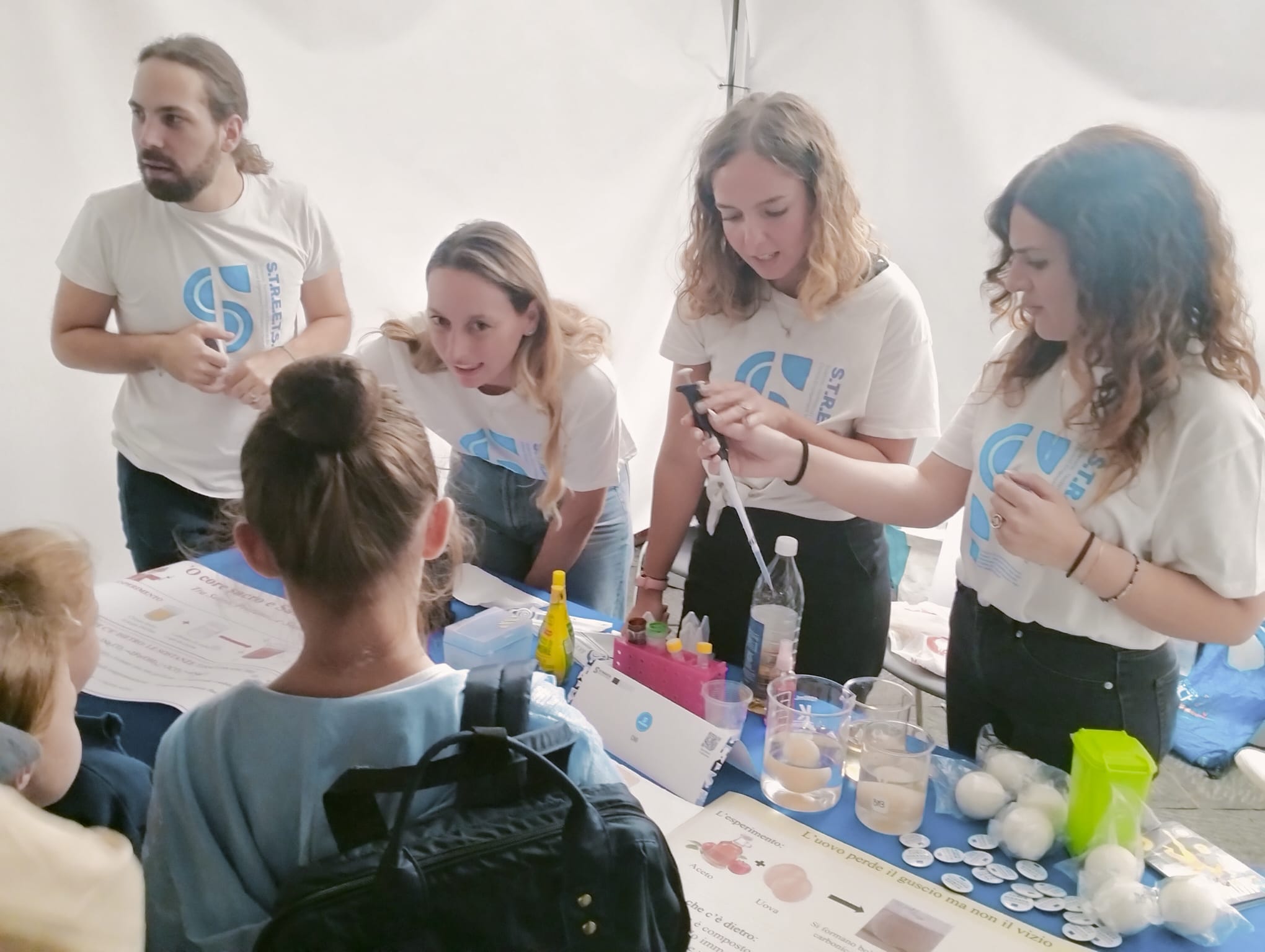
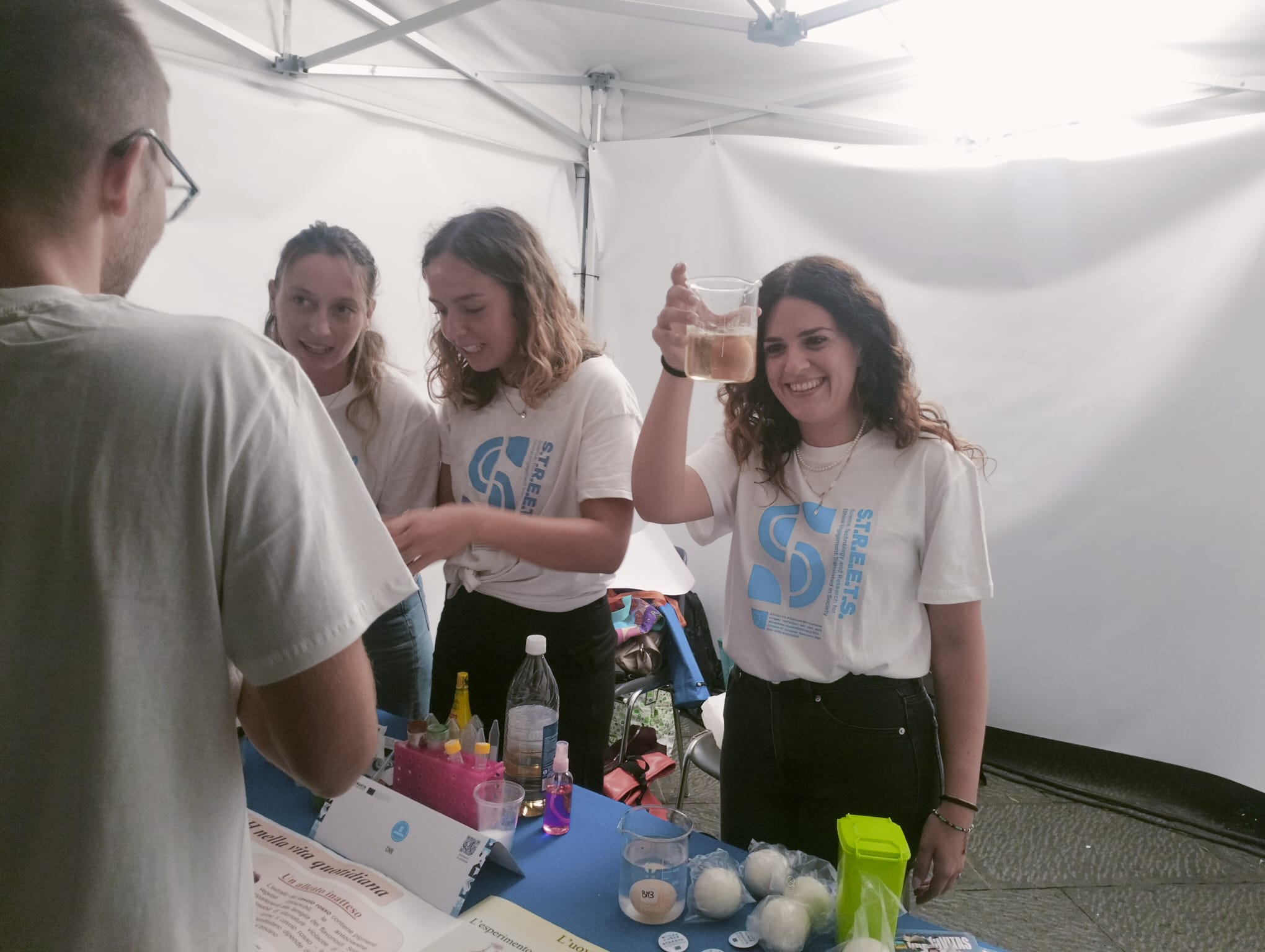
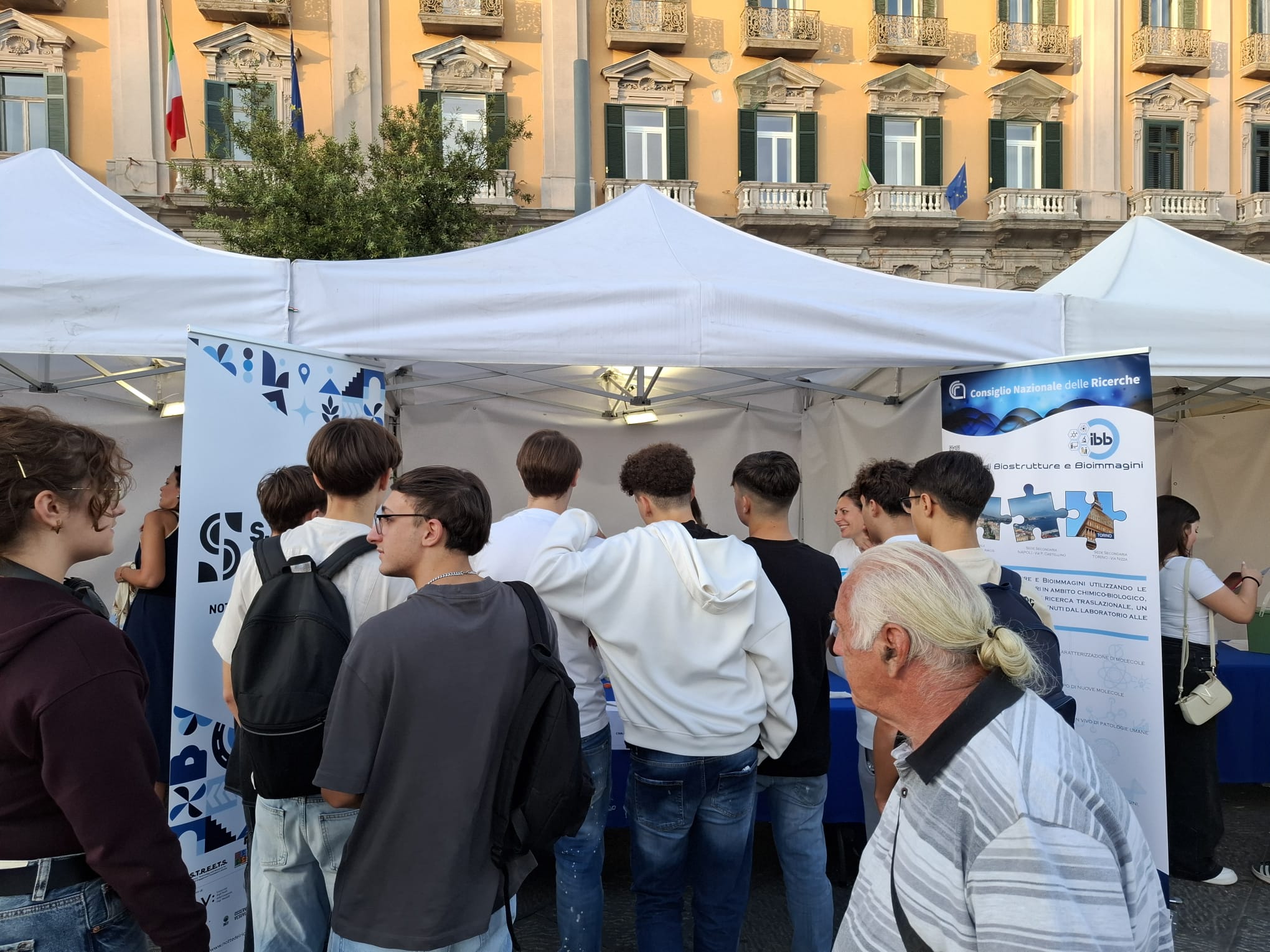
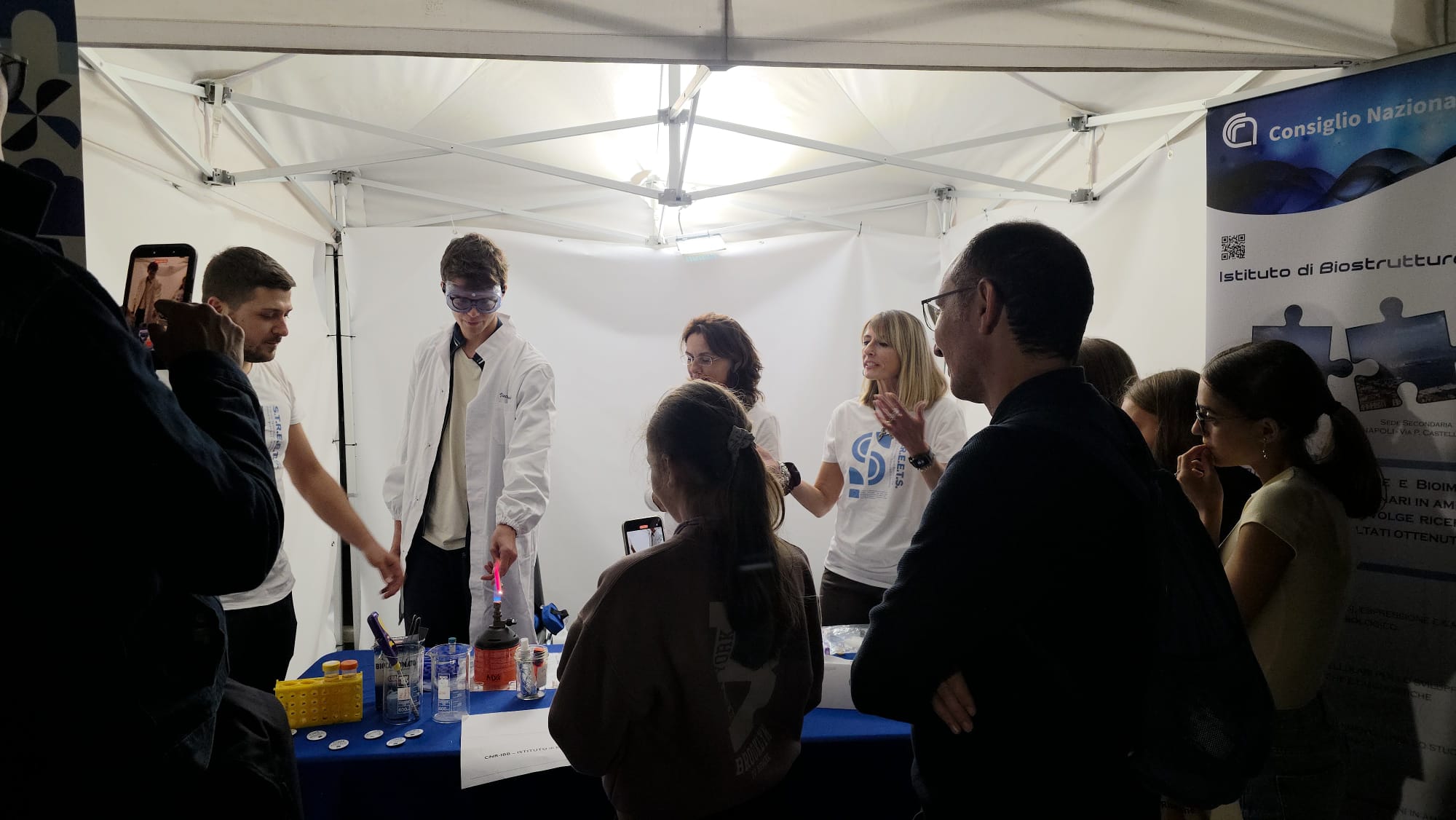
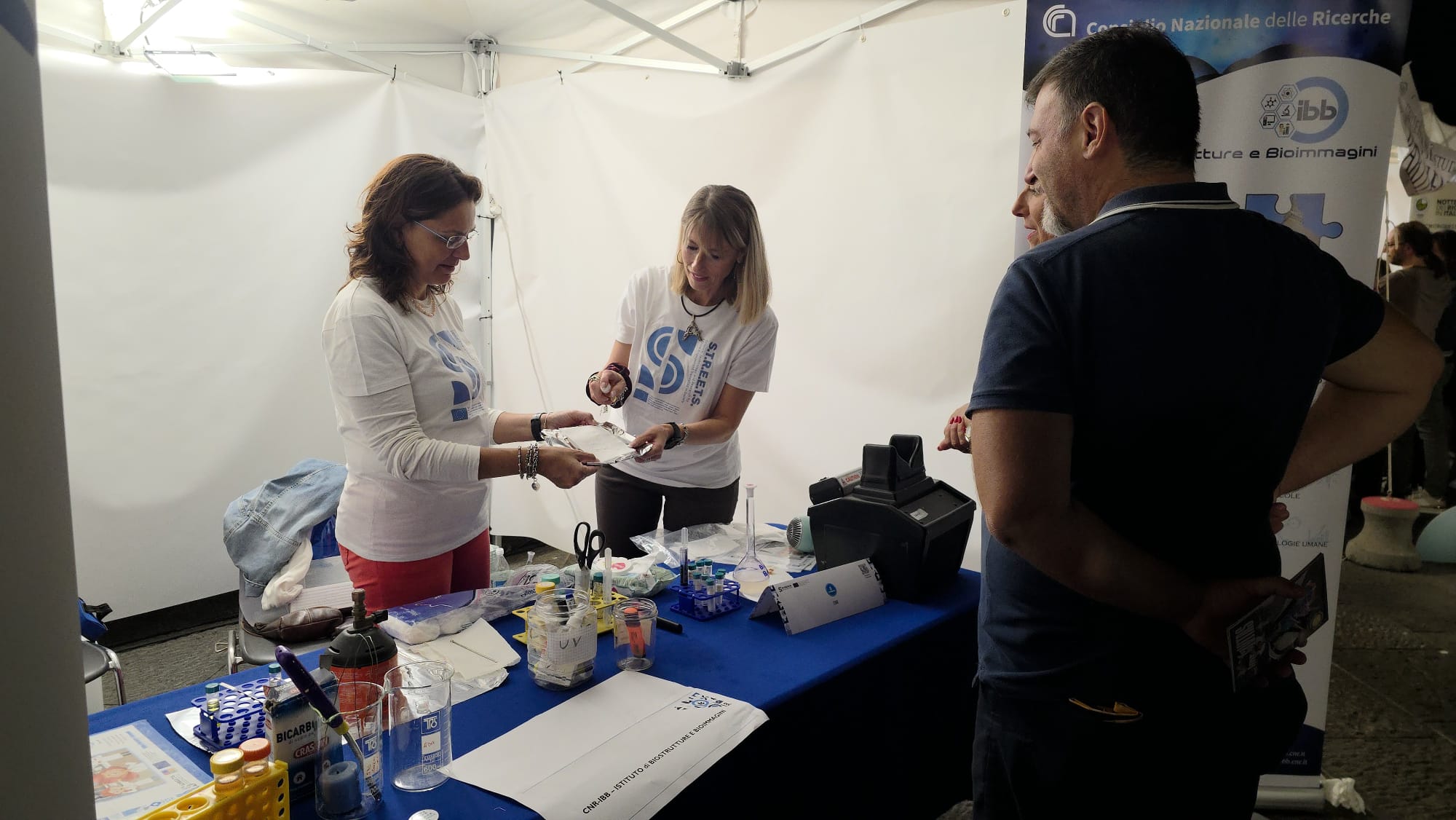
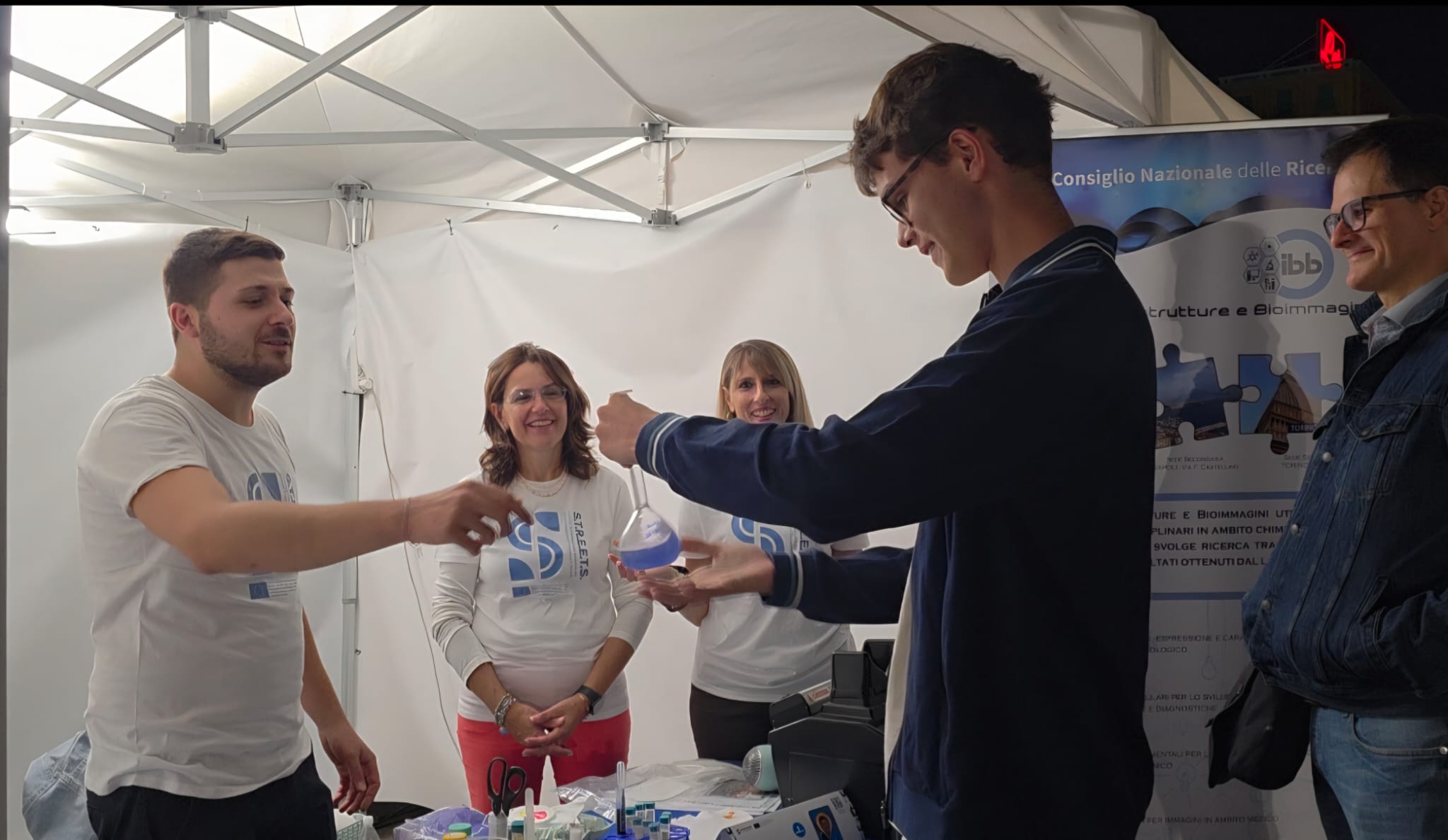
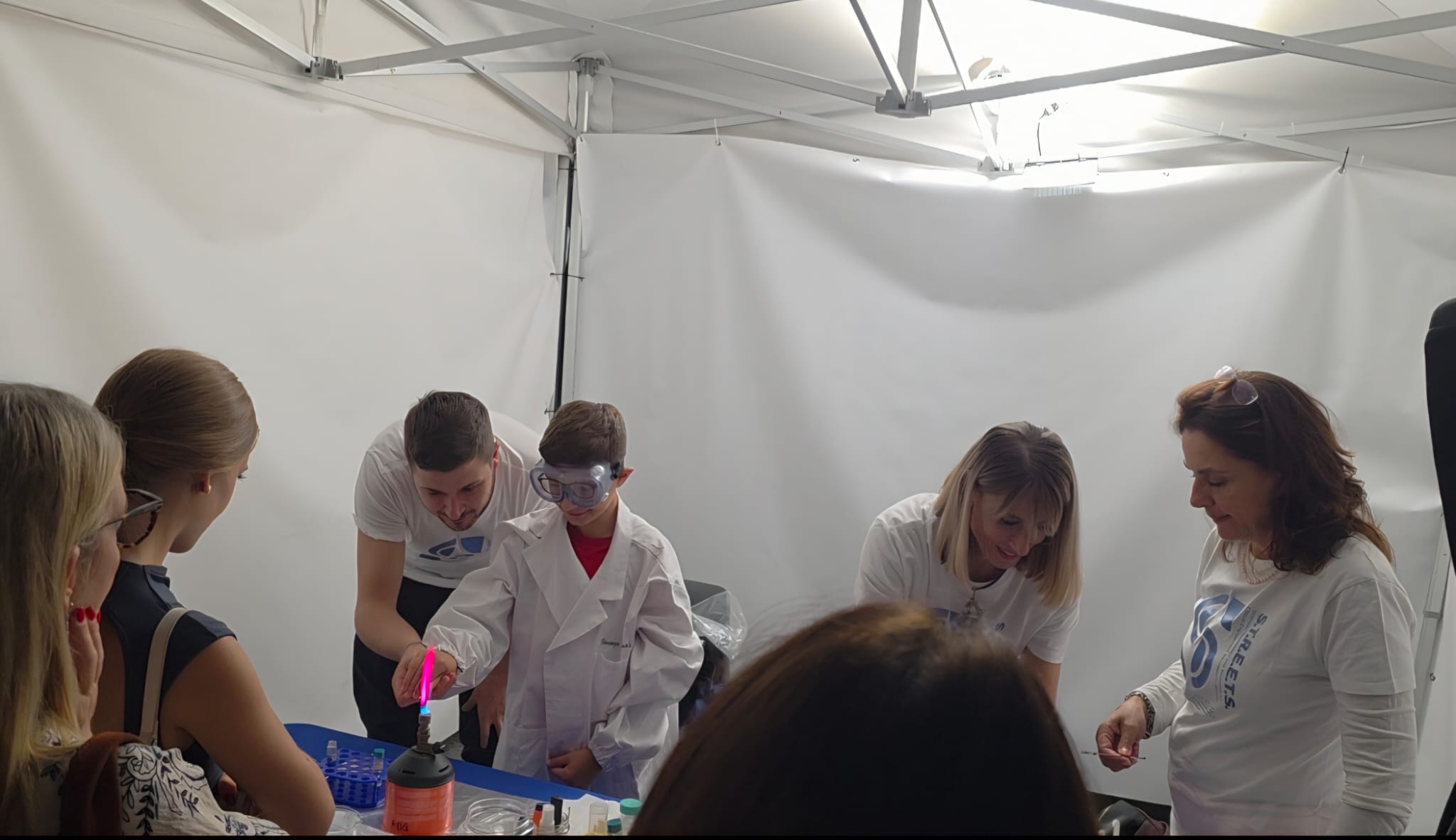
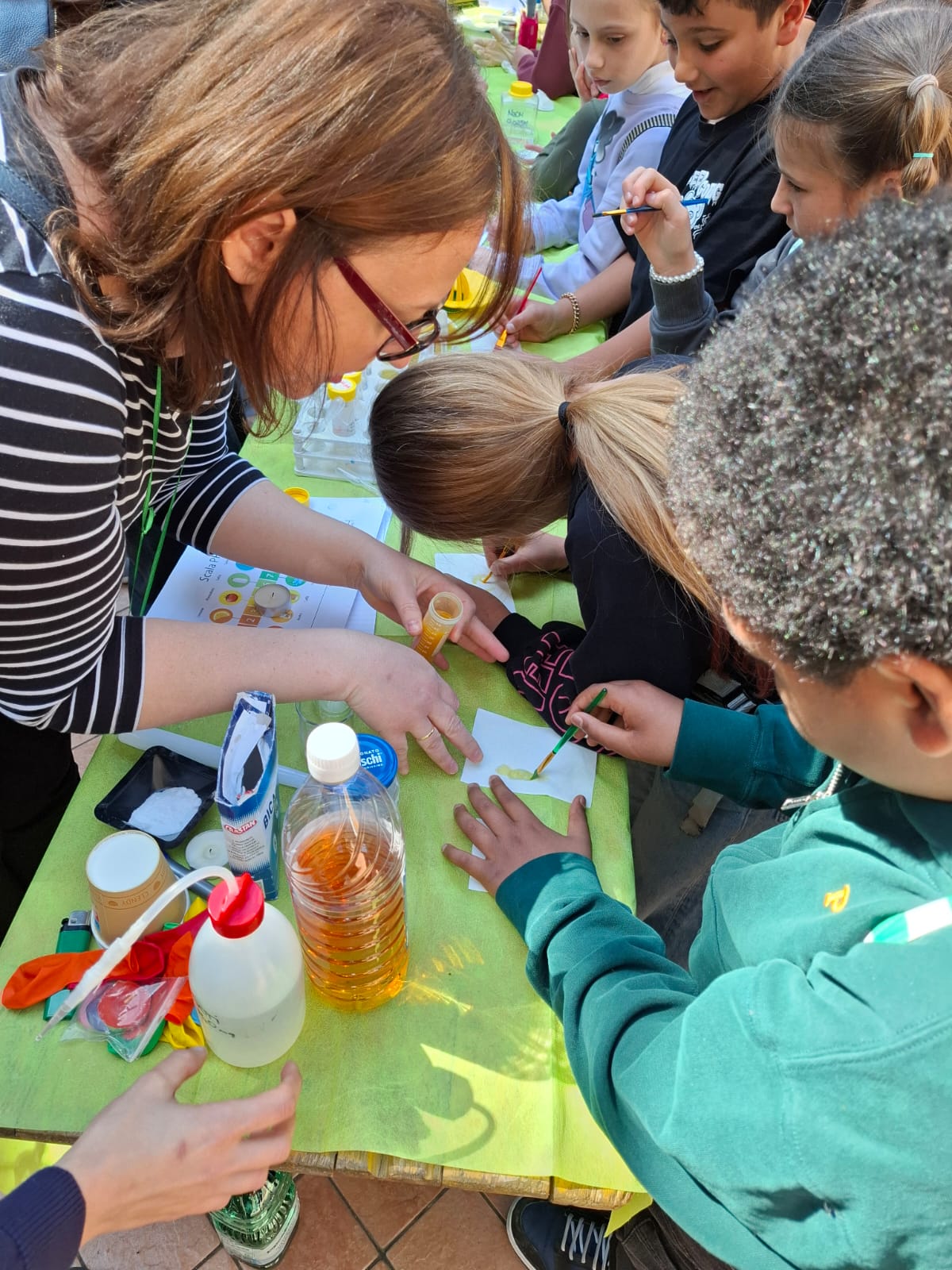
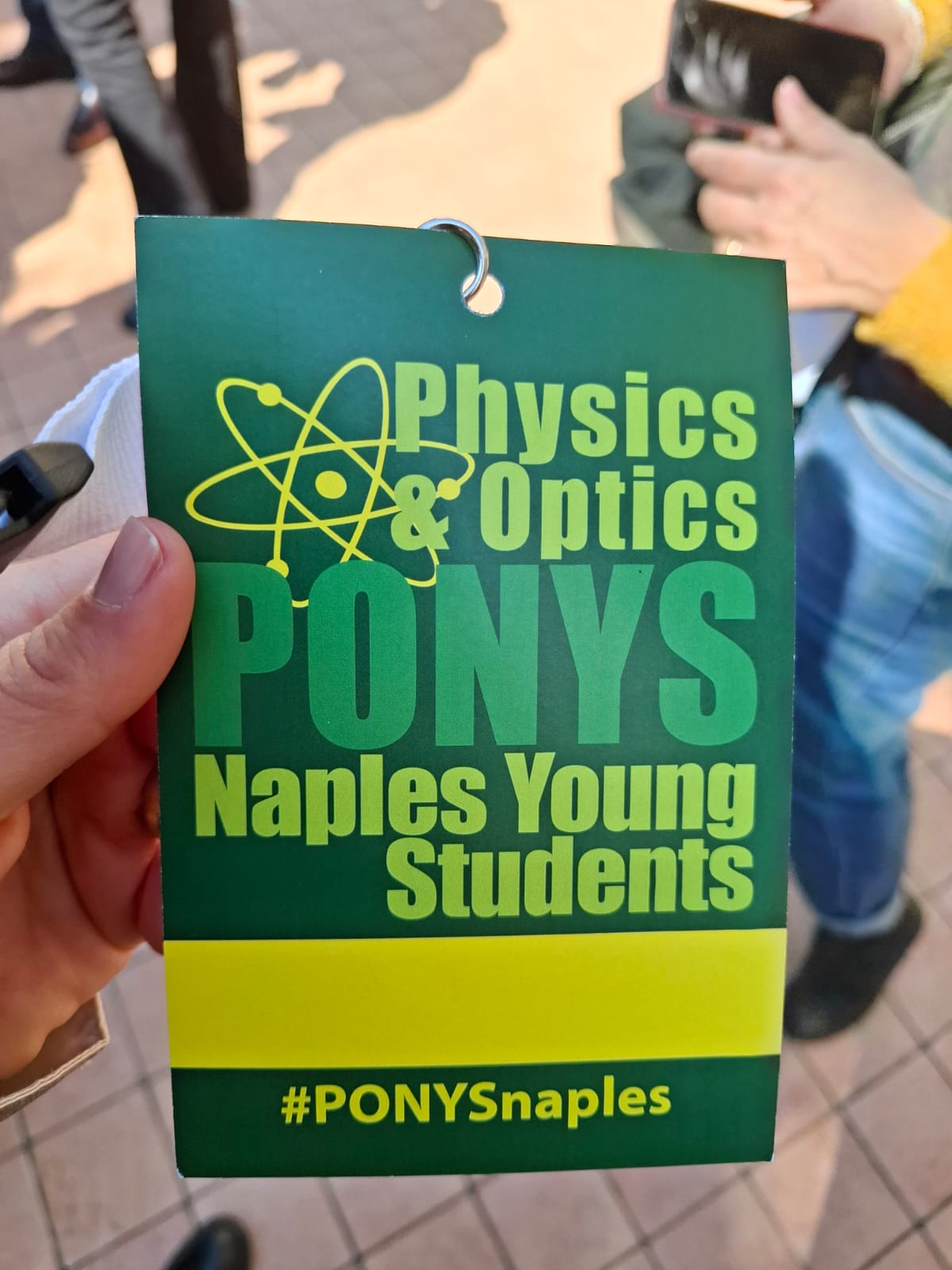
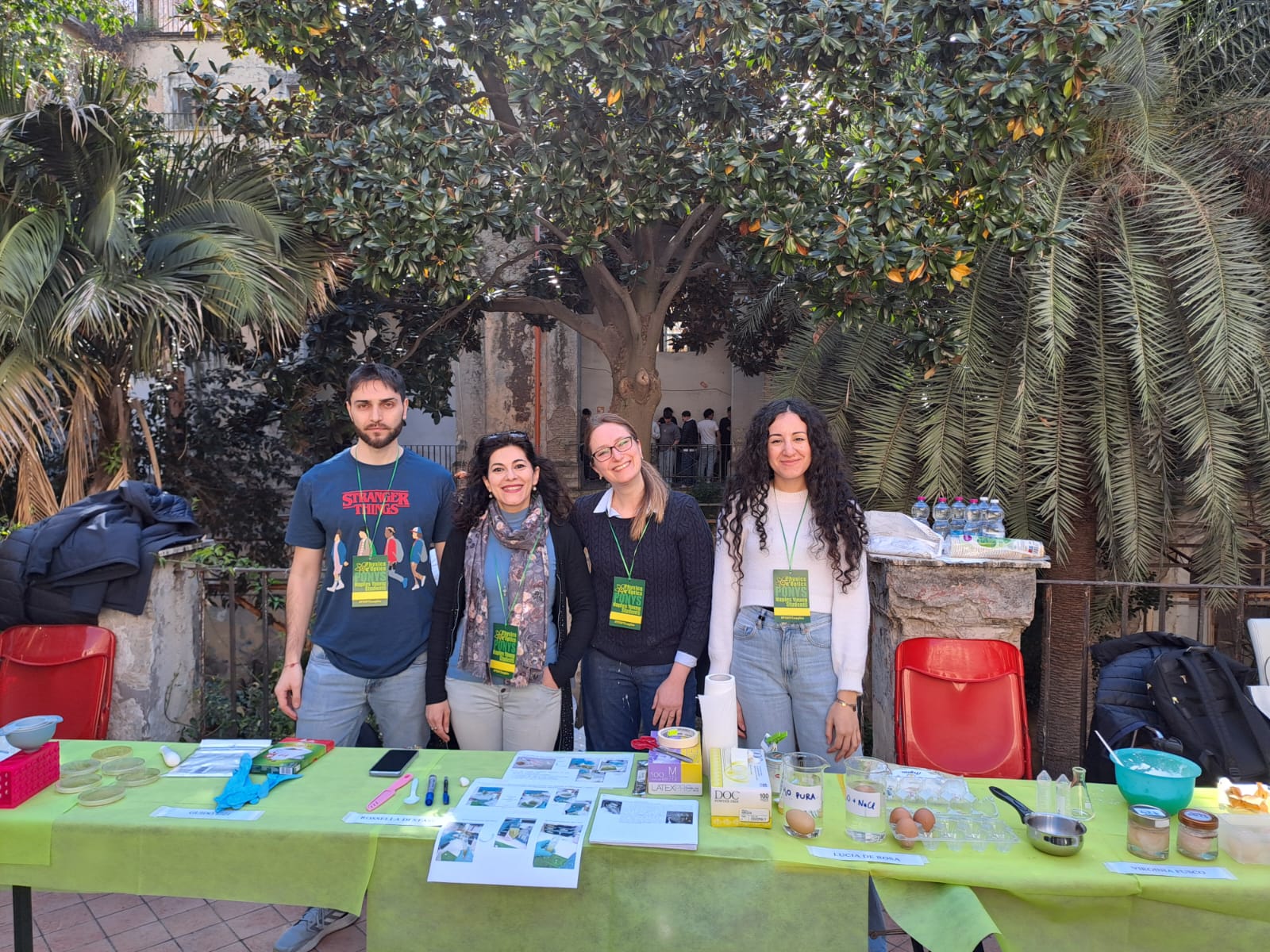
The European Researchers’ Night transforms science into an experience to be explored and shared. For one evening, researchers meet the public through workshops, interactive activities, and opportunities for discussion that highlight the value of research and its role in society. IBB takes part in the initiative through dedicated projects such as STREETS and MEETmeTONIGHT, promoting science communication and engagement activities designed for students, families, and citizens.
 See more
NOTTE EUROPEA DEI RICERCATORI
24 Settembre 2021 - ore 10:00 | 20:00
Proteine stop and go
Referenti: Vincenzo Alterio, Katia D’Ambrosio, Anna Di Fiore, Emma Langella
Durante questa dimostrazione scopriremo come ottenere cristalli di proteina e come osservarli al microscopio. I cristalli sono necessari per conoscere la struttura 3D delle proteine, ossia una “fotografia” della forma che assumono nello spazio. Inoltre attraverso un computer ci immergeremo virtualmente nella struttura atomica delle proteine e osserveremo come le simulazioni di dinamica molecolare possano fornirci informazioni sulle loro caratteristiche strutturali e dinamiche.
Attività 11:30-13:00
BioMagic: i batteri alleati della scienza
Referenti: Flavia Squeglia, Eliza Kramarska, Giovanni Barra, Maria Romano
Uno degli interessi scientifici dell’IBB-CNR è lo studio di nuovi materiali biodegradabili provenienti da reazioni enzimatiche batteriche. Vi mostreremo batteri in grado di produrre biocellulosa, sostanza utile per lo sviluppo di sistemi efficienti per applicazioni biomediche, terapeutiche e biotecnologiche.
Biotech week
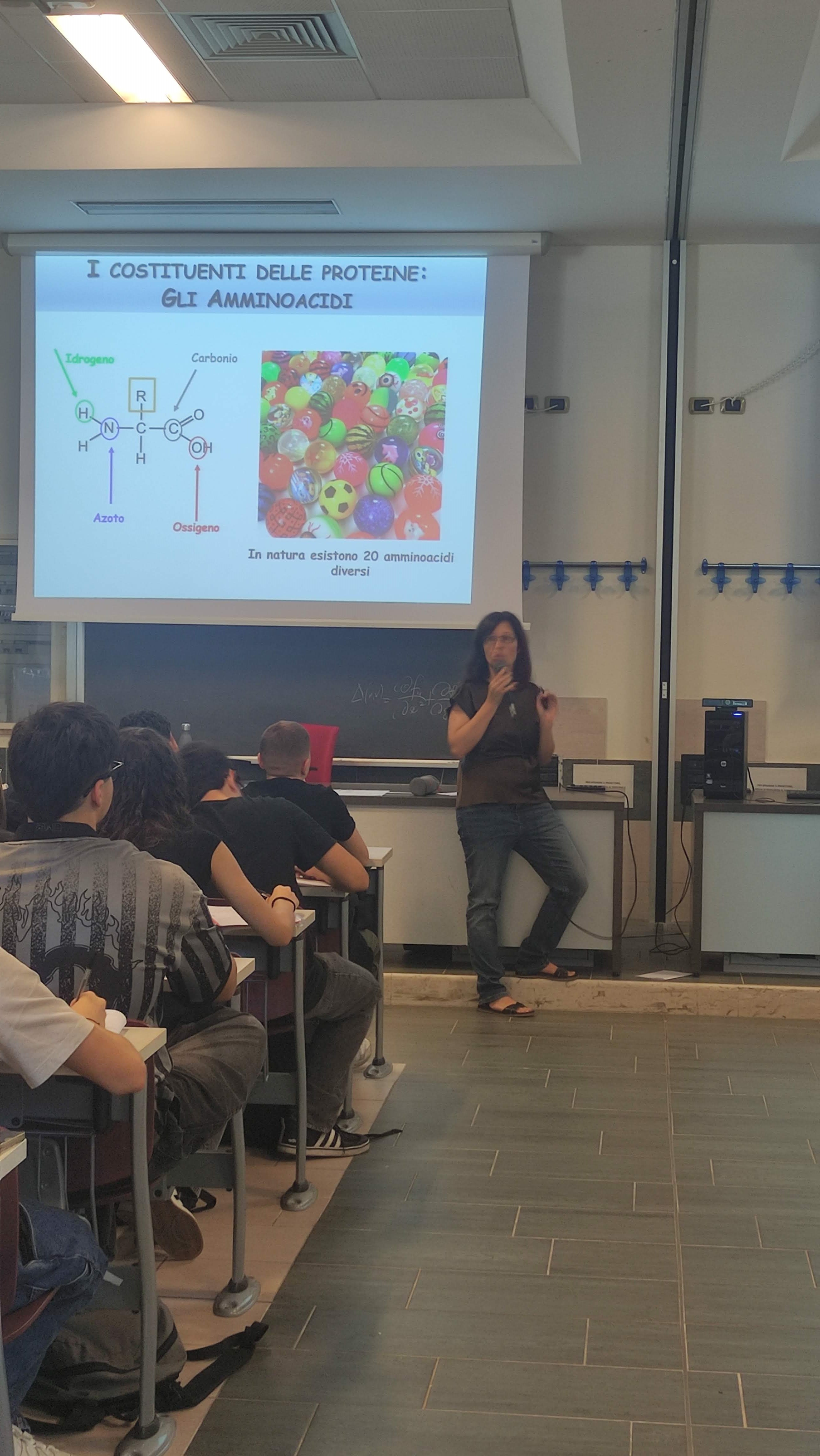
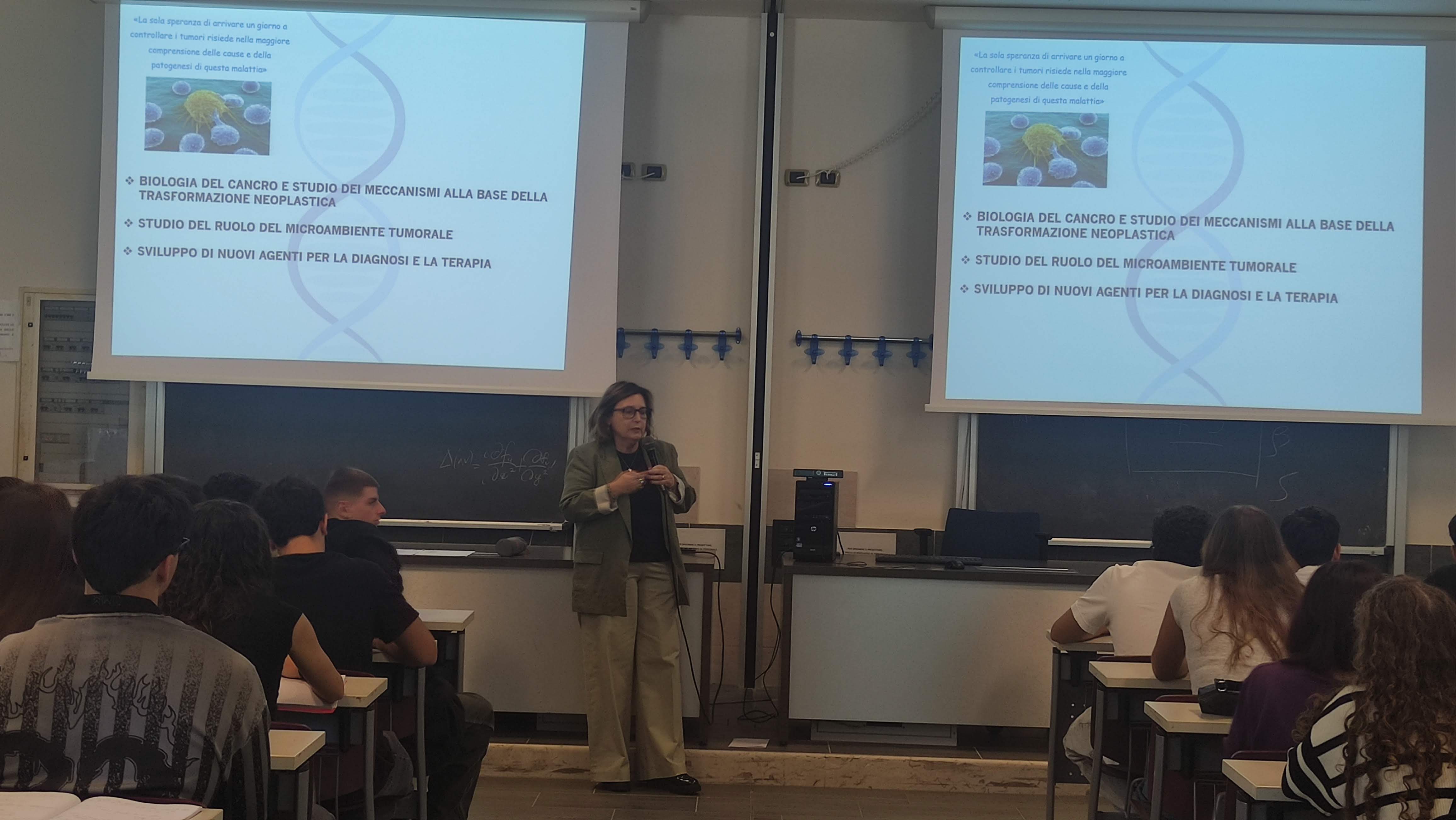
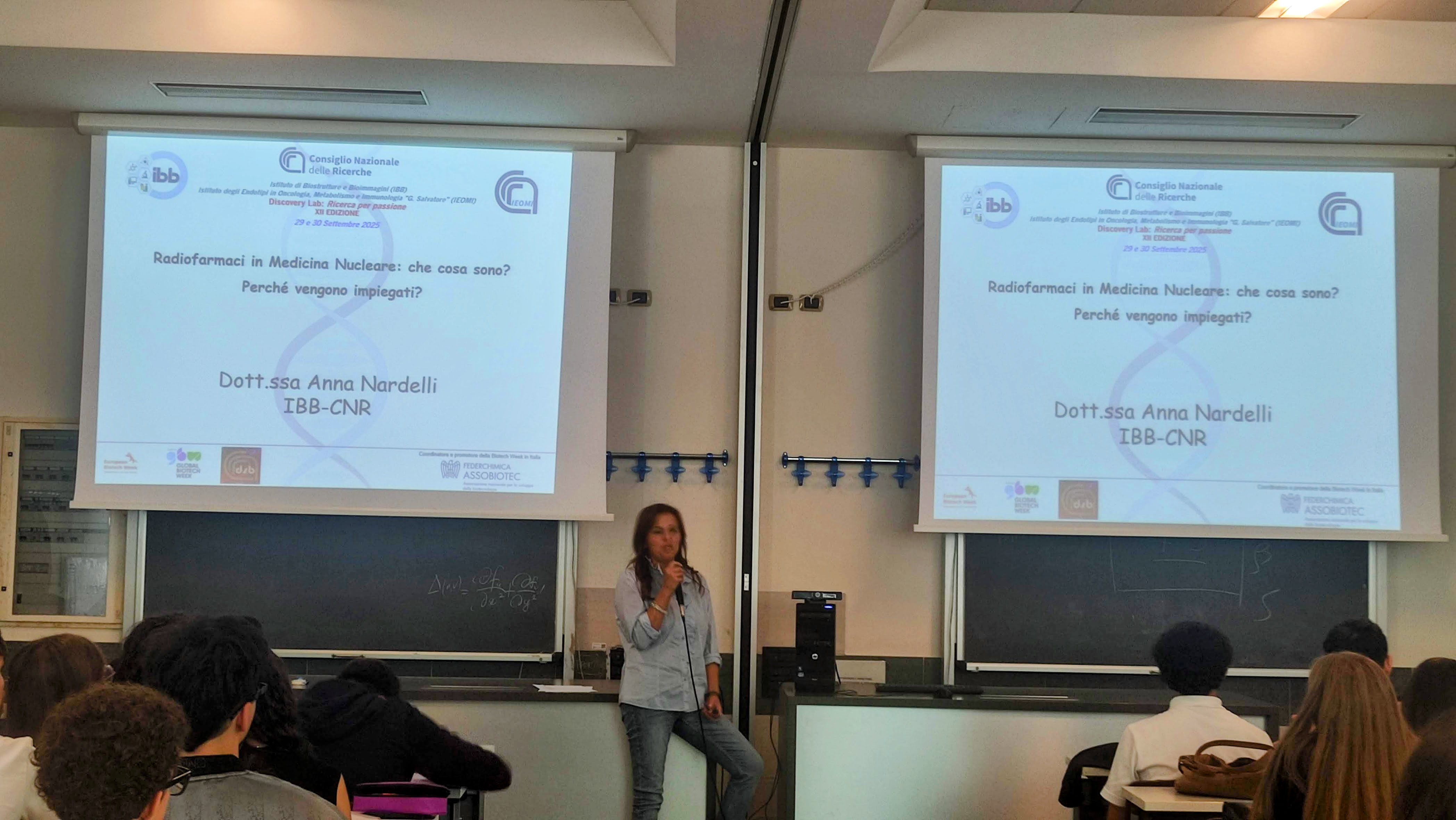
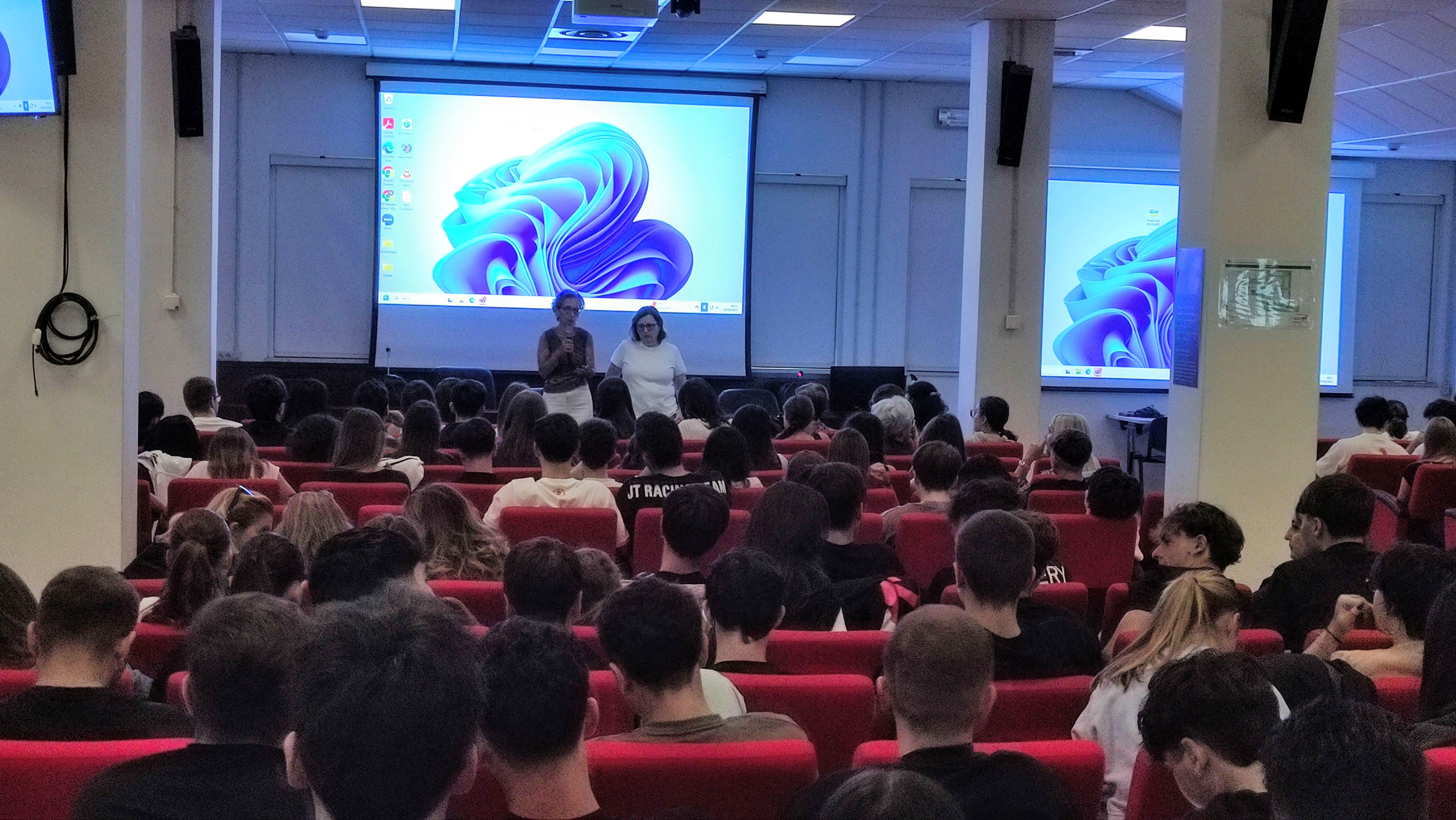
Biotech Week is an international initiative dedicated to promoting and showcasing biotechnology through coordinated events across numerous European countries and worldwide. The initiative brings together research institutes, universities, schools, companies, and associations with the aim of engaging the public with scientific and technological advances in biotechnology and highlighting its central role in health, environmental sustainability, and industrial innovation.IBB contributes through meetings, workshops, and educational activities dedicated to schools, offering students and teachers the opportunity to explore the world of biotechnology and gain insight into the latest developments and perspectives in research.
“Discovery-Lab 2.0: ricerca per passione” XIII edizione
28 e 29 Settembre 2026“Discovery-Lab 2.0: ricerca per passione” XII edizione
29 e 30 Settembre 2025“Discovery-Lab 2.0: ricerca per passione” XI edizione
24 e 25 Settembre 2024“Discovery-Lab 2.0: ricerca per passione” X edizione
25 e 26 Settembre 2023“Discovery-Lab 2.0: ricerca per passione” IX edizione
25 e 26 Settembre 2022“Discovery-Lab 2.0: ricerca per passione” VIII edizione
dal 27 Settembre al 3 Ottobre 2021 (in streaming)“Discovery-Lab 2.0: ricerca per passione” VII edizione
dal 28 Settembre al 2 Ottobre 2020 (in streaming)“Discovery-Lab 2.0: ricerca per passione” VI edizione
dal 23 al 26 Settembre 2019“Discovery-Lab 2.0: ricerca per passione” V edizione
dal 24 al 28 Settembre 2018“Discovery-Lab 2.0: ricerca per passione” IV edizione
27 e 28 Settembre 2017“Discovery-Lab 2.0: ricerca per passione” III edizione
27 e 28 Settembre 2016“Discovery-Lab 2.0: ricerca per passione” I edizione
8 e 9 Ottobre 2014Bioimaging and Medical Physics
Radiomics, advanced data analysis, and personalized computational modeling
Training & Career
This section contains the training, collaboration, and career opportunities offered by the Institute, aimed at students, researchers, and professionals interested in contributing to research, technological development, and project support.
Training
IBB promotes integrated training programs through laboratory activities, research doctorates, training internships, and degree programs, fostering the development of theoretical and practical skills in multidisciplinary contexts..PhD Programs
 IBB contributes to doctoral training through research activities, scientific supervision, and collaborations with universities and research centers.
PhD Archive
Training and graduation Internship
 Practical laboratory experience aimed at developing professional and transversal skills. To complete an internship at our institute, submit your request.
Send Application
School-Work Training (FSL)
 Direct experiences in research laboratories to learn about the scientific method and researchers' work. Requests must be submitted by the school using the application form.
Send Application
Job Opportunities
| Al momento non sono disponibili bandi attivi. Ti invitiamo a visitare periodicamente questa sezione per rimanere aggiornato sulle prossime opportunità. |
||
Expired Opportunities |
||
| Bando | Scadenza | |
| Borsa di Ricerca - Torino | 03/06/2026 | See more |
| Borsa di Ricerca - Napoli | 20/05/2026 | See more |
| Borsa di Ricerca - Napoli | 09/05/2026 | See more |
Richiesta tirocinio
I campi contrassegnati con * sono obbligatori.
Richiedi un percorso formativo
Compila il modulo per essere ricontattato dal nostro staff e progettare insieme il percorso più adatto alle esigenze della tua scuola.
I campi contrassegnati con * sono obbligatori.

The Clinical Research Area is a multidisciplinary environment dedicated to studying the physiological and pathological processes of the human body, with the aim of preventing illness, developing new therapeutic strategies, and enhancing diagnostic and treatment technologies.
Researchers working in this field draw on expertise from medicine, medical physics, biomedical engineering, healthcare informatics, chemistry, biochemistry, and bioinformatics, helping advance a more personalized and data-driven approach to healthcare.
Research activities span the following sub-areas:
E-health and innovative patient monitoring systems: development of telemedicine platforms integrated with mobile apps, wearable technologies and smart devices for the remote monitoring of vulnerable patients and the digital management of clinical data.
Quantitative medical imaging: development and application of methods for medical image processing and quantification, with a particular focus on neurological disorders, including the use of phantoms produced by rapid prototyping and studies of brain activation using functional MRI (fMRI).
Clinical bioimaging: use of biomedical imaging techniques to investigate chronic inflammatory, oncological, neurological, pediatric and cardiovascular diseases.
Radiation Physics and Medical Physics: development of advanced dosimetry methods, radiobiological modelling of the effects of ionizing radiation, and predictive models based on clinical and imaging data. These activities include the integration of artificial intelligence and machine learning techniques for quantitative analysis and the personalization of radiotherapy treatments.
Data repositories and open science: development of open-source tools for the management, annotation and sharing of (pre)clinical imaging datasets, promoting the adoption of FAIR principles and the use of recognized standards and certified repositories.
Personnel involved:
The In vivo Preclinical Research Area focuses on experimental studies of human pathologies through the use of mouse models with the aim of understanding the biological, physiological and pathological mechanisms, assessing the efficacy and safety of new drugs or therapies, and generating translational data that can support clinical applications in humans.
The in vivo preclinical research is based on two complementary approaches: the characterization of disease phenotypes in murine models of human disorders, and the use of preclinical imaging as a non-invasive tool to investigate pathological mechanisms and to evaluate therapeutic responses.
These approaches represent a highly advanced and strategic resource, allowing the non-invasive detection of disease biomarkers (neurological, oncological and cardiovascular), the development of imaging-based diagnostic methods, and the acquisition of anatomical, functional and dynamic data from experimental animals, including genetically modified models. Moreover, it is possible to analyze physiological and pathological processes in vivo, investigate tissue metabolism and assess early responses to novel therapeutic interventions. Longitudinal studies can be performed in the same subject, reducing inter-experimental variability and consequently limiting the number of animals required, in full accordance with the principles of the 3Rs (Replacement, Reduction and Refinement).
Within our Institute, the facility Preclinical Molecular Imaging (PreMI) Center is part of the Italian node of the Multi-sited Multi-Modal Molecular Imaging (MMMI) platform within the European Euro-BioImaging research infrastructure. The Center hosts state-of-the-art instrumentations for structural, functional and molecular imaging of small rodents and for the morpho-functional characterization of animal models of human disease, fostering close integration between in vitro biomedical research and in vivo molecular research programs. The activities of the in vivo preclinical imaging area include also the imaging laboratories of the Molecular Imaging Center at the Molecular Biotechnology Center of the University of Turin (CBM–UniTO), as well as providing access to microPET and Magnetic Resonance Imaging facilities at CEINGE – Advanced Biotechnologies in Naples.
Personnel involved:
The Cellular Biology Area focuses on the study of the fundamental mechanisms that regulate cellular function and the behaviour of their molecular components. Research activities encompass molecular oncology, 2D and 3D cell models, and the molecular mechanisms underlying human disease. Through integrated approaches combining genetics, biochemistry and bioinformatics, researchers investigate gene expression, intracellular signaling pathways, and interactions between cells and their microenvironment, with particular emphasis on the processes that drive neoplastic transformation, tumor progression and responses to therapy. Advanced methodologies are employed in the cell biology laboratories of our Institute and at the SIM facility, including high-resolution microscopy, next-generation sequencing and omics-based analyses. These approaches enable in-depth investigation of the cellular and molecular mechanisms underlying disease. The aim of Cell biology area is to understand the principles governing complex pathological processes, identify novel therapeutic targets, and develop innovative strategies for diagnosis and treatment of human diseases. By bridging basic science and biomedical applications, this area contributes to translating fundamental knowledge of cellular and molecular processes into advances in human health and biotechnology.
Personnel involved:
The Structural Biology Area investigates the three-dimensional structures of proteins, nucleic acids, and macromolecular complexes, using advanced techniques such as X-ray crystallography and nuclear magnetic resonance (NMR) spectroscopy.
Characterizing these molecules at the atomic level and exploring the relationship between their structure and function are essential for understanding the molecular mechanisms underlying physiological and pathophysiological processes. This knowledge is essential for the design and development of new drugs and novel molecular entities, with applications in the biomedical and biotechnological fields.
Our Institute is equipped with a structural biology laboratory featuring high-throughput crystallization platforms, an in-house diffractometer for crystallographic analysis, and a 500 MHz Bruker Avance NMR spectrometer, all accessible through the SIM facility.
The Structural Biology Area is also an active member of the CNR Structural Biology Network (SBN@CNR), a strategic initiative aimed at strengthening expertise and infrastructure in the field of structural biology by promoting interdisciplinary collaboration, methodological innovation, and synergies among CNR research groups active in this area.
Personnel involved:
The Molecular Biology and Biophysics Area is dedicated to investigating the mechanisms that determine the structure, function, and interactions of biological macromolecules. Research activities include the design and recombinant production of proteins and antibodies, their biophysical characterization in solution, and the analysis of biomolecular interaction (protein–protein and protein–ligand interactions: small organic molecules, peptides, nucleic acids, peptidomimetics, and bioconjugates), with the aim of understanding their roles in cellular processes in physiopathological conditions, as well as identifying new diagnostic and therapeutic targets.
Through integrated approaches in molecular biology, biochemistry, and biophysics, carried out in dedicated laboratories and at the SIM facility, biomolecules of interest are produced and characterized in terms of stability and functionality, both individually and in complexes with macromolecular partners.
Research activities combine genetic engineering and biochemical techniques with high resolution spectrometric methodologies and advanced biophysics, including optical and fluorescence spectroscopy, calorimetry, enzyme kinetics studies, bio-layer interferometry, and thermophoresis, contributing to the development of new knowledge and methodologies with applications in biomedical, biotechnological, and pharmacological fields.
The Molecular Biology and Biophysics area is an active member of the CNR Immunology Network (CIN), a strategic initiative aimed at strengthening collaboration among CNR research groups in the field of immunology, enhancing the visibility and impact of research, and promoting the development of international networks.
Personnel involved:
The Biomolecule Synthesis Area focuses on the design, synthesis, and characterization of small organic molecules, peptides, nucleic acids, peptidomimetics, and bioconjugates, using both solid-phase and solution-phase synthetic methodologies.
Molecules are designed using a range of approaches, from library screening to rational design, aiming to target molecular systems involved in human diseases. In addition to traditional chemical synthesis, protocols for site-specific synthesis and bioconjugation are developed using green chemistry strategies and chemoselective methodologies. The approaches employed include click chemistry, chemical ligation, and reactions assisted by microwave or ultrasound irradiation. Molecular characterization of purified biomolecules is carried out using chromatographic, spectrometric and spectroscopic techniques, as well as advanced biophysical methods.
Thanks to the modern and automated instrumentation available in our synthesis laboratories and within the SIM facility, synthetic processes can be optimized, molecules with high purity can be obtained, and products can be thoroughly characterized. This area represents a strategic platform for the research and development of new molecular systems with applications in the biomedical and biotechnological fields.
Personnel involved:
The Computational Modelling of Biomolecules Area focuses on the development and application of advanced computational approaches to investigate biomolecular structures, aiming to elucidate their physicochemical properties, dynamic behaviour, and molecular interactions.
The computational approach includes molecular modelling, rational drug design, molecular dynamics (MD) simulations, docking studies, ab initio quantum mechanical (QM) calculations, computational spectroscopy, artificial intelligence–based methods for structure prediction, and statistical analysis of structural databases.
The area also benefits from access to high-performance computing systems (multi-GPU clusters and multi-CPU clusters) and computing resources at CINECA (subject to approval of submitted scientific projects).
The Computational Biomolecular Modelling Area is an active member of the CNR Structural Biology Network (SBN@CNR), a national network dedicated to the development and sharing of skills and infrastructure in the field of structural biology.
Personnel involved:
RESEARCHERS@SCHOOL
18 Marzo 2026

RESEARCHERS@SCHOOL
Febbraio-Marzo 2026

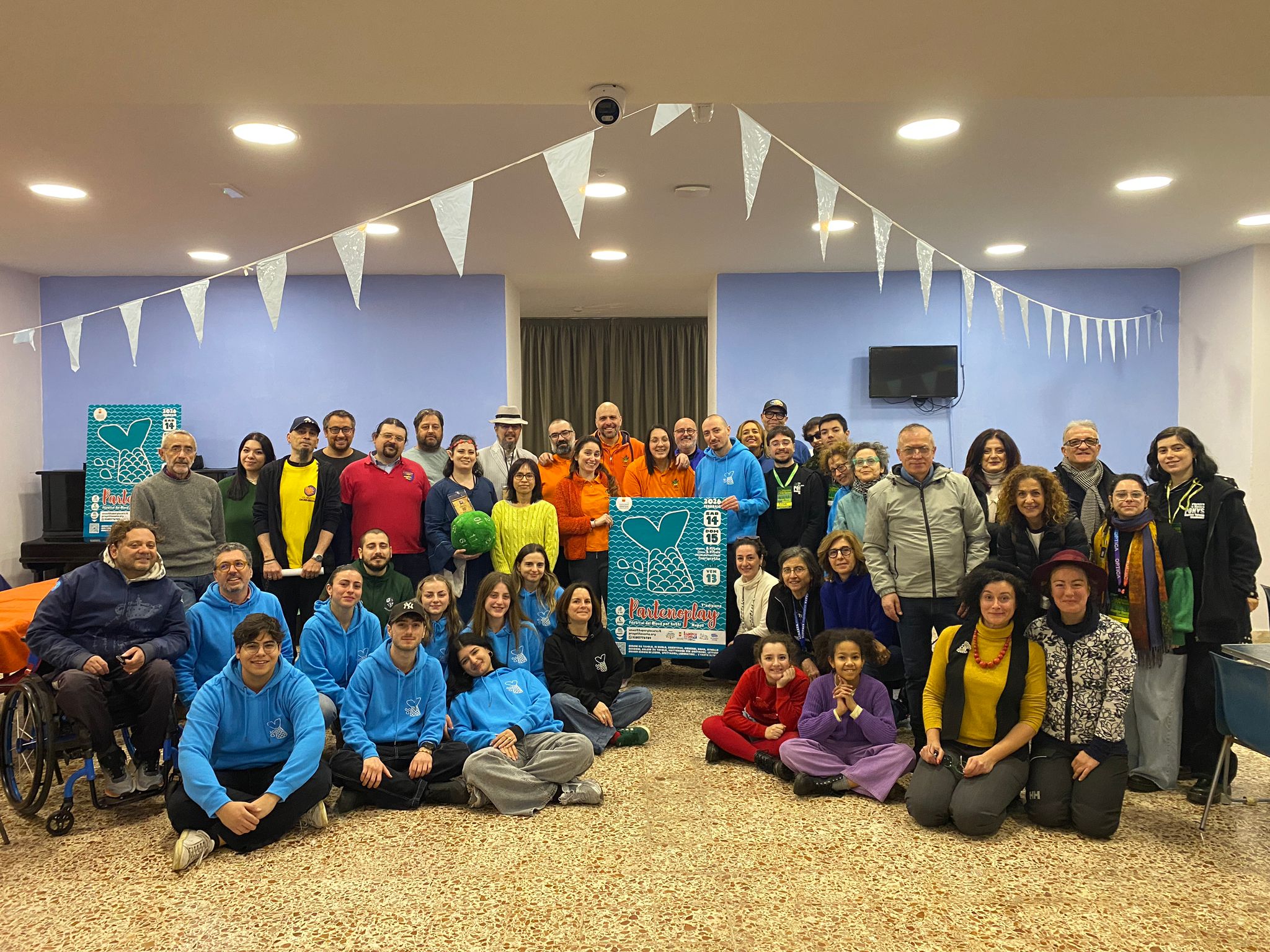
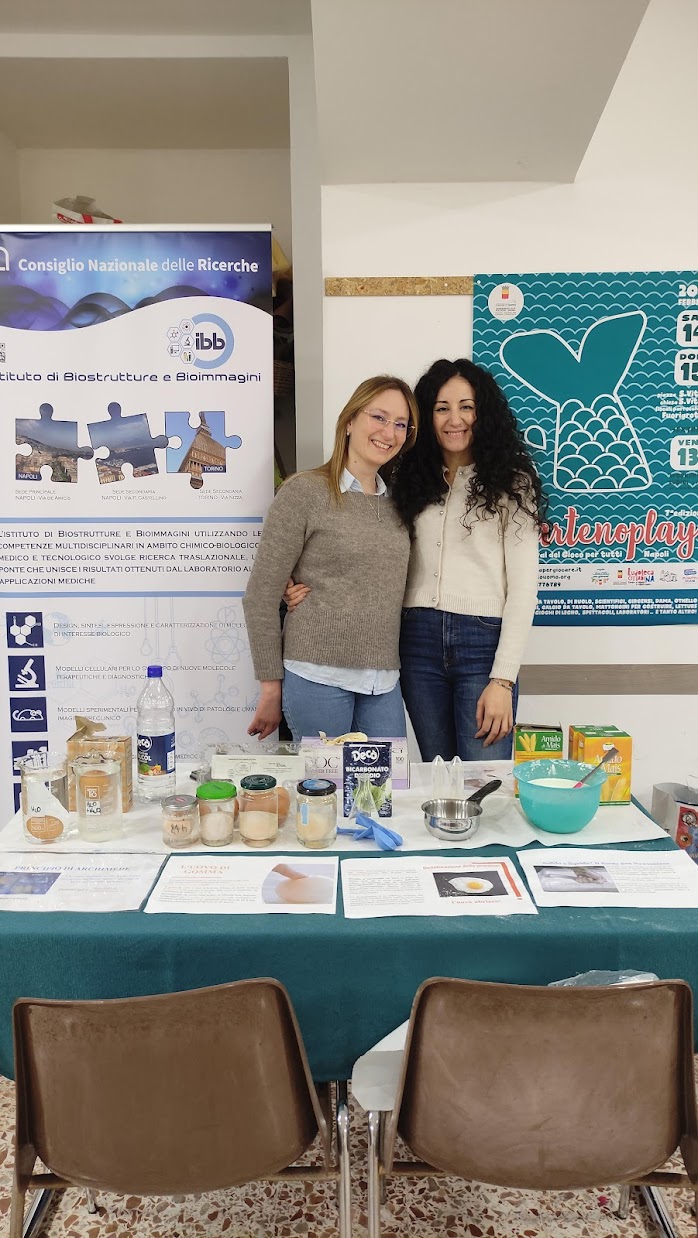
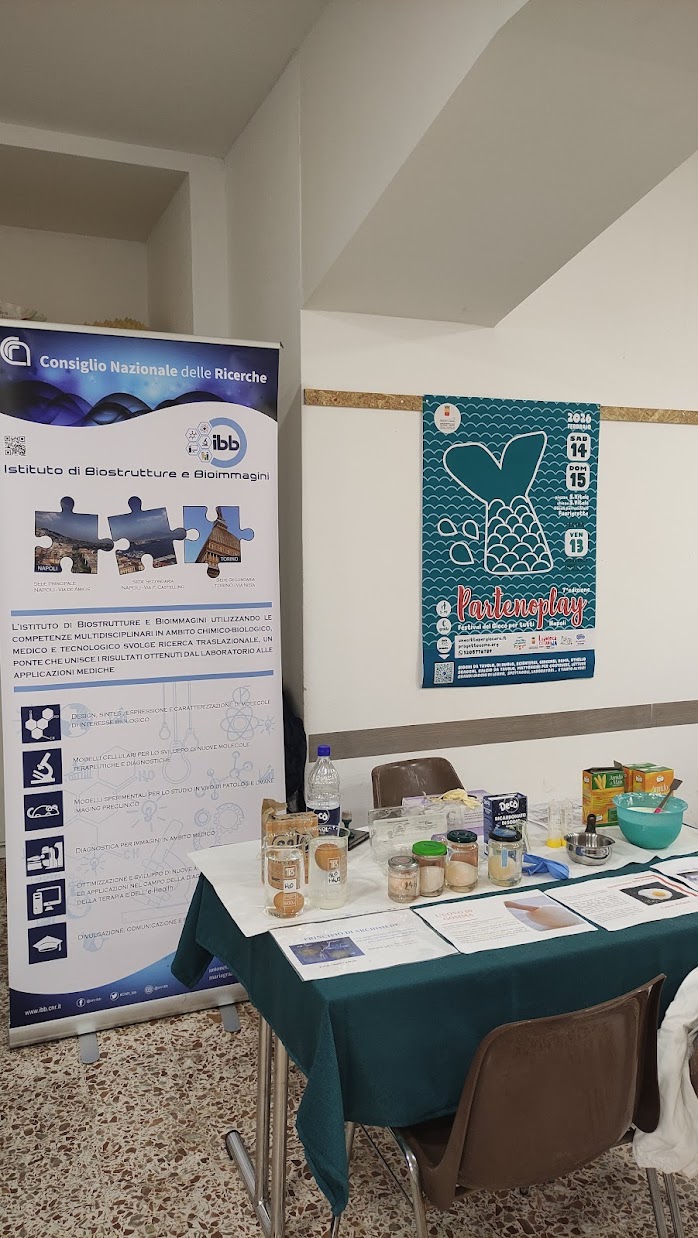
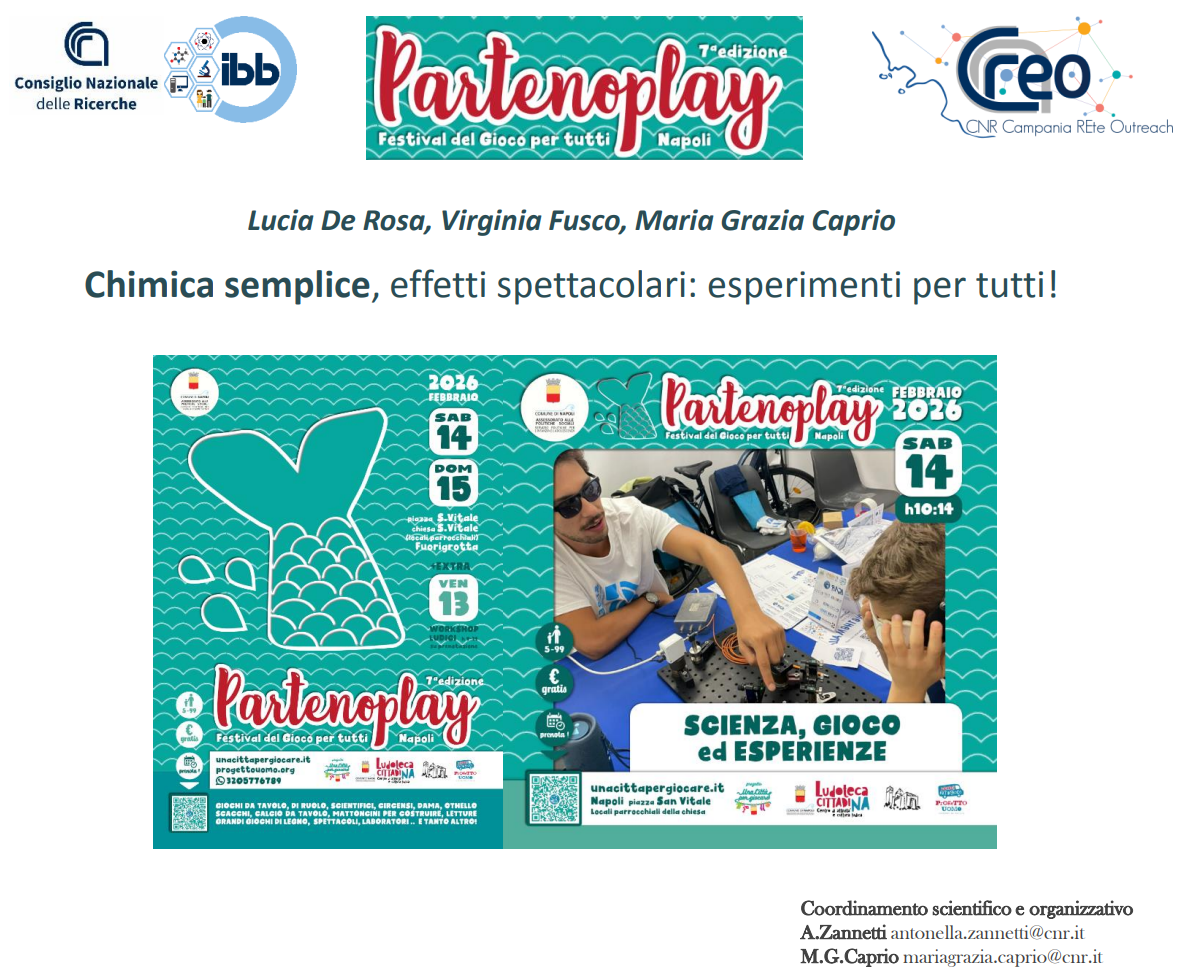
Partenoplay 7ma edizione
14-15 Febbraio 2026
Other Events
IBB also promotes additional initiatives dedicated to science outreach and education:STEM Week: laboratories and educational activities designed to engage students of all ages with Science, Technology, Engineering, and Mathematics disciplines.
The term STEM (an acronym derived from the English initials of the four different disciplines: Science, Technology, Engineering, and Mathematics) indicates the scientific, technological, engineering, and mathematical disciplines that, following the ongoing technological-digital revolution, represent the driving force for the development of the economic, social, and cultural fabric.
Through the involvement of our country's universities and academic institutions, the Ministry intends to disseminate initiatives useful for promoting the development of technical and engineering knowledge and skills among young people. This involvement is now also ensured thanks to the commitment of individual universities in innovative STEM training projects, promoted by the "STEM Università 2024" funding from the Department for Equal Opportunities of the Presidency of the Council of Ministers through a Public Notice aimed at also increasing the support and guidance capabilities of teachers in choosing the study path of female and male students.
RESEARCHERS @ SCHOOL
Liceo Alberti
21 Gennaio 202512 Febbraio 2025
Liceo G.B. Vico
11 Febbraio 2025International Day of Women and Girls in Science – opportunities for dialogue and inspiration aimed at promoting and celebrating the role of women in research and science.
International Day of Women and Girls in Science - February, 11, 2022.
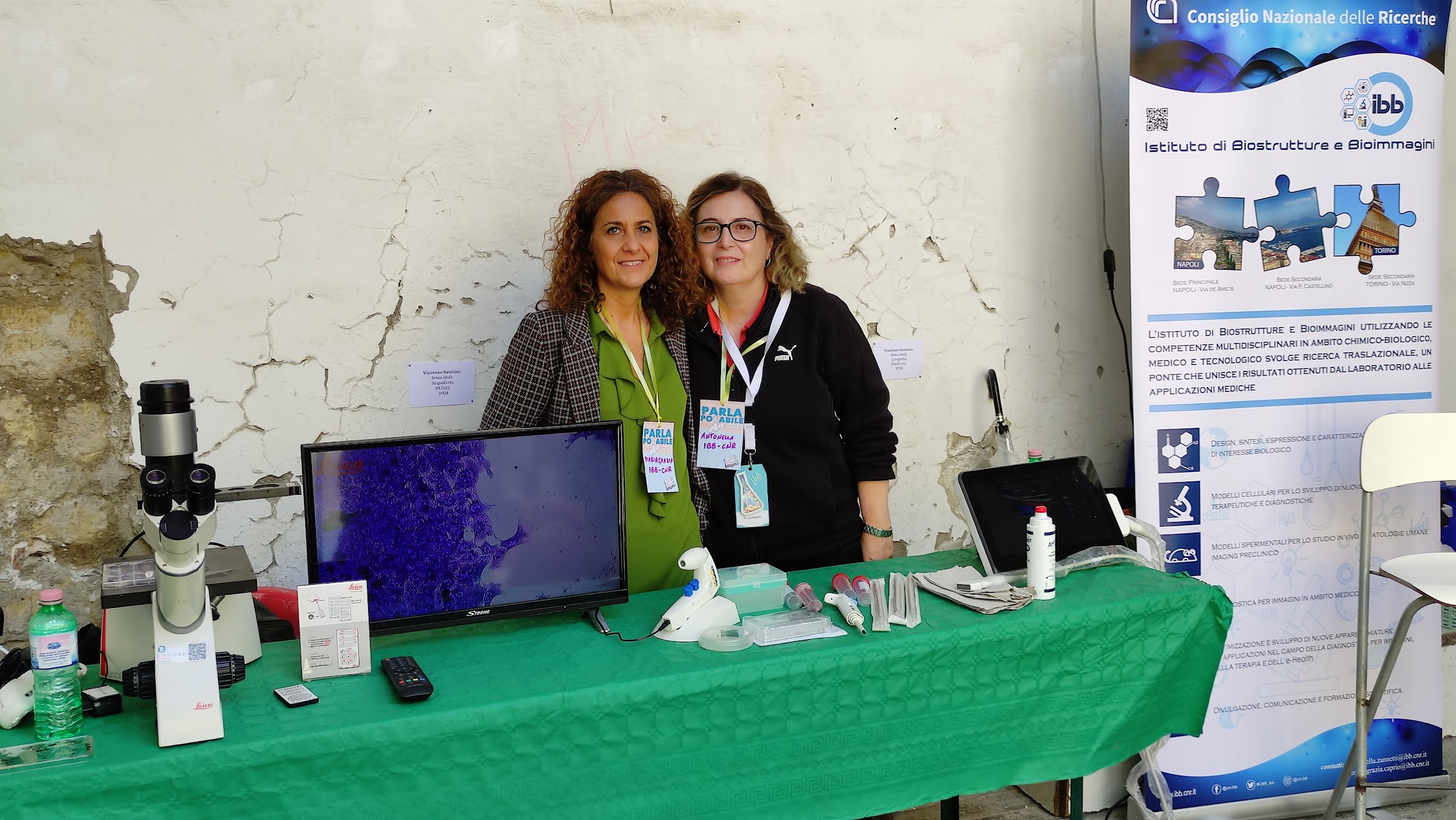
Parla Potabile – an annual public event held in Naples at Scugnizzo Liberato. The event features interactive stands, workshops, science games, experiments, and seminars — organised by researchers, students, and associations — with the aim of making science accessible, engaging, and inspiring for audiences of all ages.
PARLA POTABILE 3a EDIZIONE
La scienza per TUTT3
8 e 9 MAGGIO 2024
Scugnizzo Liberato, salita Pontecorvo nr. 46 - NAPOLI
PARLA POTABILE 4a EDIZIONE
La scienza per TUTT3
3 e 4 APRILE 2025
Scugnizzo Liberato, salita Pontecorvo nr. 46 - NAPOLI


Consiglio di istituto
EVENTS
Science Communication and Public Engagement Experiences
Every year, IBB takes part in major science communication events, promoting interactive laboratories, meetings with researchers, and activities dedicated to students, families, and citizens.
Biotech Week
An international initiative promoting biotechnology through activities and experiences designed for schools and the wider public.
Futuro Remoto
A festival of art, science and technology featuring laboratories and interactive experiences dedicated to biomedical research.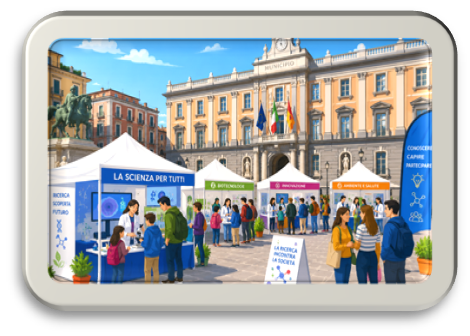
European Researchers’ Night
Hands-on laboratories, demonstrations, and interactive experiences that connect the public with scientific research.
Other Events
STEM Week, Women and Girls in Science Day, and other initiatives promoting scientific outreach and public engagement.PhD Program
WIP
Internship
WIP
Mentoring
WIP
School–Work Training (FSL)
WIP
TRAINING
Scientific Growth and Learning Pathways
IBB promotes integrated training opportunities for students, early-career researchers, and professionals through laboratory activities, mentoring, PhD programmes, and internships.
School–Work Training (FSL)
Hands-on experiences in research laboratories to explore the scientific method and gain insight into researchers’ activities.
Mentoring
Personalized support for students and early-career researchers through scientific and professional guidance.
Internship
Hands-on laboratory experiences designed to develop both professional and transferable skills.
PhD Program
Advanced training programmes for future researchers, developed in collaboration with national and international universities and research centres.Torino
Welcome,
The secondary site of Torino is hosted by the Molecular Biotechnology Center (dept. of Molecular Biotechnology and Health Sciences) of the University of Torino.
The UOS possesses expertise concerning the synthesis, the physico-chemical characterization both in vitro and in vivo of a new series of contrast agents for various imaging techniques, including MRI, optical imaging and optoacoustic and nuclear imaging techiniques(PET/SPECT), thanks to the availability of equipment that covers all of these imaging modalities. The unit also employs researchers with extensive experience in the development of animal models, in vitro cultures of hepatocytes and spermatogonial cells/embryo, modulation of gene expression (with shRNA silencing or over-expression with cDNA), microsurgery mice, generation of immune-compromised mice with metabolic diseases.
The UOS is well equipped in terms of chemistry (synthesis and analytical characterization), including instrumentation for physico-chemical characterization (MS, MR, UV-vis, IR, ICP-MS, HPLC, peptide synthetizers, etc.), in terms of preclinical imaging systems, covering all the imaging modalities (low and high field MRI scanners, optical, ultrasound, PET-SPECT-CT and photoacoustic scanners, and in terms of biology laboratories (cell cultures and animal models preparation, including transgenic animal models).

How to reach us
The UOS Torino is located in Via Nizza 52, Torino, about 1 km from Porta Nuova Railway Station and 3 km from Porta Susa Railway Station.
The site can be reached by underground transportation (direction Lingotto, stop: Nizza).
Top

Napoli Castellino
The research activities are mainly focused on the design, synthesis and characterization of active biomolecules. The UOS is fully integrated in a larger research cluster that includes the Department of Biological Sciences of the University "Federico II", the Interuniversity Research Centre on Bioactive Peptides (C.I.R.PE.B.), and the consortium on diagnostics and pharmaceuticals DFM scarl.

How to reach us
Our address is Via Pietro Castellino 111, 80131 Napoli - Italia.
From Napoli central station:
Top
Napoli De Amicis
Welcome,
the headquarters of the Institute are located in the Biotechnology Campus of the University of Naples "Federico II".
The research activities of the Institute are in the fields of Medical Diagnostic and Therapy, and Medical Image Processing and Analysis. The clinical activities are conducted inside the Diagnostic Imaging Department of the University Medical School "Federico II" (5 minutes walk from our building), while the pre-clinical research activities are carried out at the Ceinge consortium (10 minutes walk from our building).

How to reach us
Our address is Via De Amicis 95, 80145 Napoli - Italia.
by metro: get off at the stops Policlinico of the linea1.
Walk trough Via Pansini till the cross with Via Pietravalle-Via De Amicis and then walk trough Via De Amicis.
by car: take the Tangenziale and exit to Zona Ospedaliera (exit#7), than follow for Policlinico. At the end of Via Pietravalle turns on the right (Via De Amicis), the campus is just after 30 meter on the left side.
Top
Privacy policy
La presente Privacy Policy è resa nel rispetto dell’articolo 13 del GDPR 2016/679 (General Data Protection Regulation, Regolamento europeo in materia di protezione dei dati personali) e del Provvedimento generale del Garante Privacy in materia di cookie dell’8 maggio 2014, n. 229.
Finalità e trattamento dei dati
- Dipendenti e collaboratori del Titolare, nella loro qualità di addetti autorizzati al trattamento dei dati; – Terzi soggetti che svolgono attività per conto del Titolare, nella loro qualità di responsabili del trattamento;
- Centri per l’impiego, Inps, Inail e Ispettorato nazionale del lavoro per le attività di rispettiva competenza (dati delle comunicazioni obbligatorie, art. 13 del d.lgs. 150/2015);
- Autorità giudiziarie, di vigilanza o di audit, amministrazioni, enti ed organismi pubblici, nazionali ed esteri. Per le finalità per le quali è richiesto il consenso informato (art. 9 del Regolamento), esso dovrà essere reso di volta in volta in forma esplicita. Specifiche misure di sicurezza sono osservate per prevenire la perdita dei dati, usi illeciti o non corretti ed accessi non autorizzati.
Diritti degli interessati
Informazioni di contatto
– Responsabile per la Protezione dei Dati (RPD o DPO): rpd@cnr.it– Responsabile del Trattamento dei Dati personali: segreteria.web@ibb.cnr.it
– Riferimenti del Garante per la protezione dei dati personali: https://www.garanteprivacy.it
Aggiornamenti
Questa informativa è soggetta ad aggiornamenti in ottemperanza alla normativa nazionale e comunitaria in materia.Utilizzo dei cookies
Il sito www.ibb.cnr.it fa uso dei “cookies” per consentire all’utente di personalizzare la propria visita sul sito. Un “cookie” e’ un file di testo che viene salvato sul vostro computer da una pagina web. I “cookies” non possono essere utilizzati per inoculare virus nel vostro computer. Lo scopo primario dei “cookies” e’ quello di fornire un servizio e di far risparmiare tempo all’utente. Lo scopo del “cookie” e’ quello di dire al Web Server che siete ritornati ad una pagina specifica, reimpostando magari i filtri che avete utilizzando nelle ricerche.Voi avete la possibilità di accettare o rifiutare i “cookies”. I principali web browser di default accettano i “cookies”, ma e’ una impostazione che potete facilmente modificare. Se decidete di disabilitare i “cookies” potreste non essere in grado di navigare in modo corretto all'interno del sito.
Privacy e cookies
Viene fatto uso di cookies per la trasmissione di informazioni necessarie al funzionamento del sito, possono essere utilizzati cookies persistenti per l’utilizzo di funzionalità di login automatiche, o sistemi per il tracciamento degli utenti.L’uso di cookies di sessione (che non vengono memorizzati in modo persistente sul computer dell’utente e svaniscono con la chiusura del browser) è limitato alla trasmissione di identificativi di sessione (costituiti da numeri casuali generati dal server) necessari per consentire l’esplorazione sicura ed efficiente del sito.
I cookies di sessione utilizzati in questo sito evitano il ricorso ad altre tecniche informatiche potenzialmente pregiudizievoli per la riservatezza della navigazione degli utenti e non consentono l’acquisizione di dati personali identificativi dell’utente.
Social channels